Changes are coming to CARM: What carriers need to know

The Canada Border Services Agency (CBSA) continues its ongoing development and implementation of the CBSA Assessment and Revenue Management (CARM) program, and changes are coming that could affect trucking companies.
CARM is designed to modernize how merchants import goods into Canada and streamline the processes by which duties and taxes are collected.
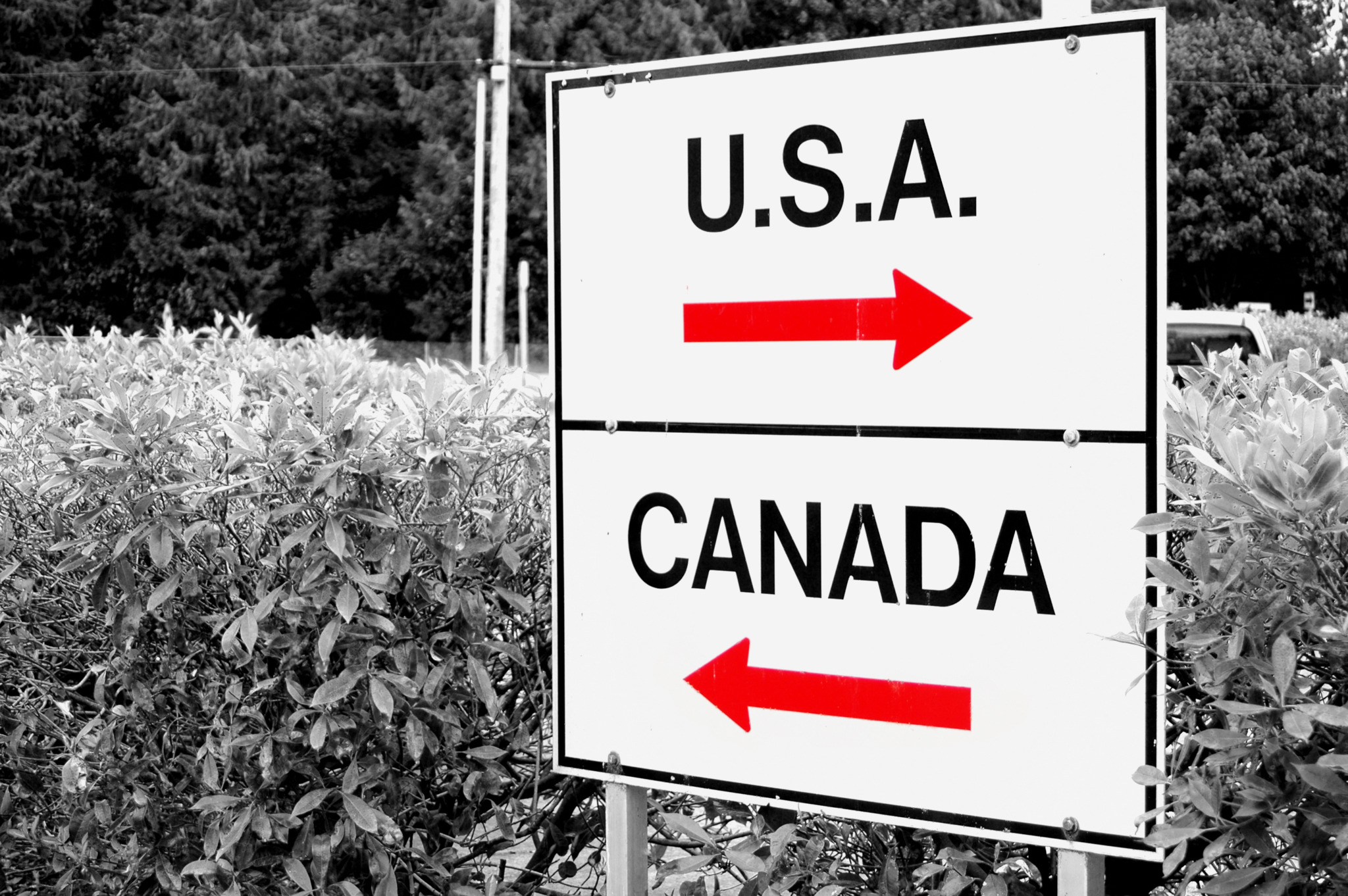
Changes are coming to CARM
Many importers – and by extension, carriers and freight forwarders – benefit from the streamlined processes which are being ushered in by the CARM regime. For instance, both entities benefit from electronic release prior to paying duties and taxes by importers who enroll in the Release Prior to Payment (RPP) program and posting financial security on imported goods.
Effective May 20, however, importers will be required to enroll in the RPP program and post financial security in the CARM Client Portal in order to continue to benefit from the RPP release service options, which include but are not limited to: Release on Minimum Documentation (RMD), Pre-arrival Review System (PARS) and Integrated Import Declaration (IID).
Importers who fail to enroll by the above deadline may experience delays in processing at the border as well as at sufferance warehouses, all of which will serve to impact their bottom line and potentially frustrate their relationships with their partners along both domestic and international supply chain.
Impact to drivers, carriers, and freight forwarders
As of May 20, 2025, if a carrier arrives at the border with cargo (including house bills) destined for release at the first port of arrival and the importer of record has not enrolled in RPP, there will not be a release issued to the import file.
What this means is that the carrier will not be able to obtain the release at the first port of arrival. Without a release or approved change of destination for both the primary cargo control number and house bills, the conveyance will not be permitted to proceed inland.
As a further consequence, carriers and freight forwarders who are non-bonded will not be permitted to move inland with their cargo without a single trip bond.
Minimizing disruptions at the border
In light of the above, the CBSA has prepared a series of recommendations for both carriers and freight forwarders alike who wish to avoid disruptions at the Canada-U.S. border in light of the above CARM compliance initiatives.
Become bonded: According to the CBSA, non-bonded carriers and freight forwarders with cargo that is not released will not be permitted to proceed past the first port of arrival without applying for a single trip bond. Alternatively, however, carriers and freight forwarders who are bonded will be permitted to move their freight inland with their presentation of a A8A(B).
Carrier paper A8A(B)s: To reduce delays, highway bonded carriers would be well advised to have a completed A8A(B) on hand showing an alternate inland port and sub-location code for shipments electing a first port of arrival release.
Possession of a completed A8A(B) will serve to expedite the clearance process in circumstances where the release is not already on file and will facilitate the movement of shipments to inland sufferance warehouses.
Touch base with importers: The CBSA further recommends, where possible, that carriers and freight forwarders keep open lines of communication with their importer partners to ensure that they have made the necessary arrangements with respect to enrollment in the RPP Program and the posting of financial security in the CARM Client Portal so that carriers will be able to continue to benefit from the efficiencies of electronic releases at the border, which will in turn aid in the reduction of undue delays on arrival.
Why carriers should care
Much of the CARM “noise” is appreciably directed towards importers, which begs the question, should carriers care? The short answer – absolutely.
Carriers play a key role in the international trade sector, and CARM – once fully integrated — will serve to be the primary way that commercial entities interact with both one another as well as the CBSA moving forward.
Anything that could be considered a financial interaction with the CBSA will run through CARM. As discussed, this includes financial securities for bonded carriers, taxes, payments of fees, or any other accounting considerations that may arise.
Carriers will be among the ones most affected by the compliance failures by importers. That should be enough reason to initiate discussions with importers and trade partners so as to minimize any unnecessary delays and expenses associated with non-compliance.

Have your say
This is a moderated forum. Comments will no longer be published unless they are accompanied by a first and last name and a verifiable email address. (Today's Trucking will not publish or share the email address.) Profane language and content deemed to be libelous, racist, or threatening in nature will not be published under any circumstances.