Fastfrate’s diversity helps it weather market turbulence as it eyes first-of-its-kind LTL-by-rail offering

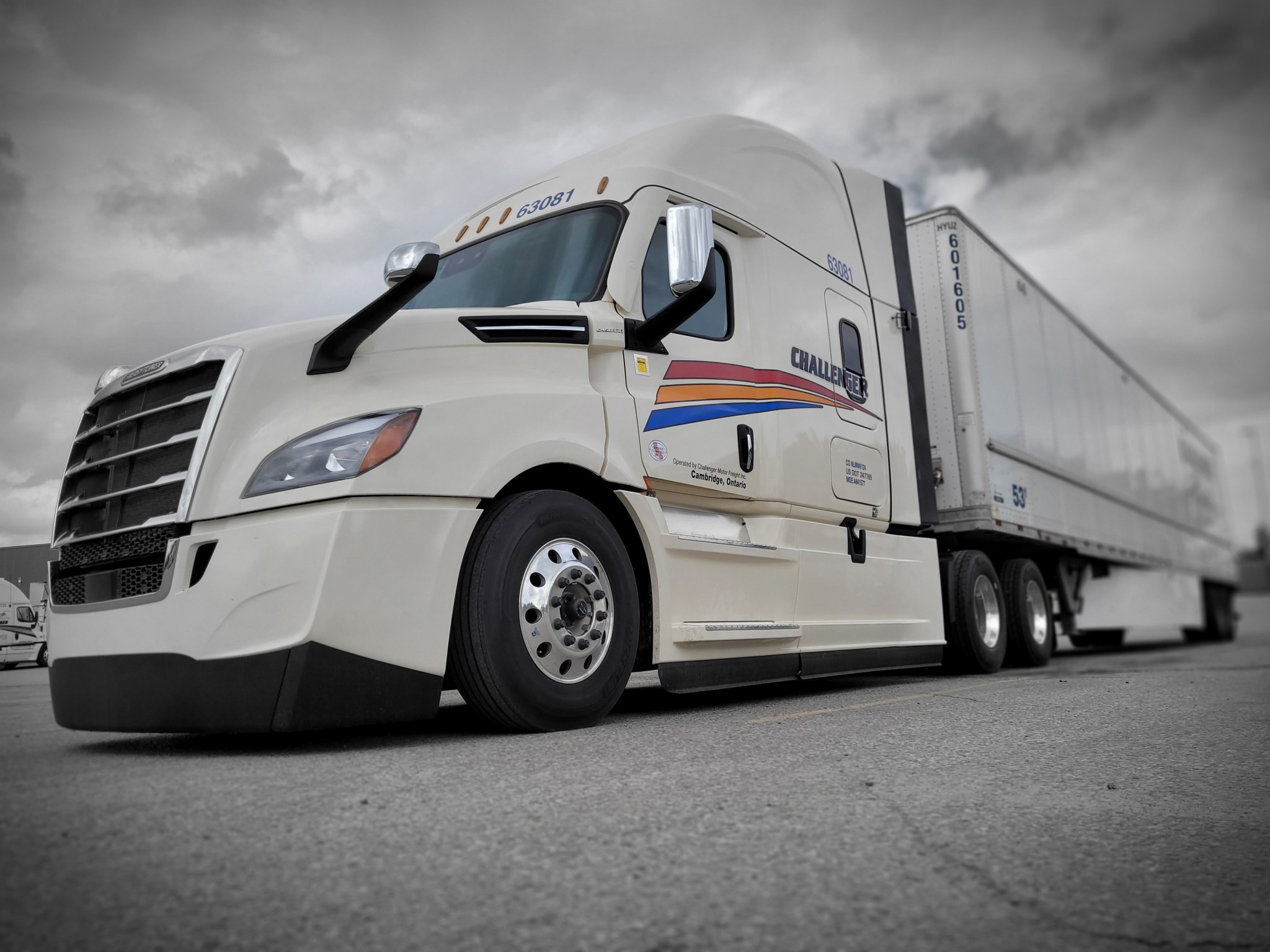
In June 2022, Fastfrate acquired a majority stake in Challenger Motor Freight, Canada’s ninth largest fleet with, at the time, 1,295 tractors and 1,227 employees.
It was a transformative acquisition, giving Fastfrate a foothold in the U.S. market while adding full truckload services to its portfolio. Then the bottom fell out from under the truckload segment, which has been in longest running recession the industry has seen and from which it has yet to fully emerge.
“Great timing, right?” quipped Ron Tepper, founder and chairman of Fastfrate owner Tepper Holdings.
Asked if he has any buyer’s remorse over the deal, Tepper said, “Not at all. We are really happy with the direction and trajectory it’s on.”
In an interview on business conditions, Tepper acknowledged Challenger is “in a tough market,” but the company has been disciplined on rates to maintain margins.
Manny Calandrino, president and CEO of Fastfrate Group, pointed to the company’s diversity as a strong point during the freight recession. “We have over-the-road, rail, logistics, drayage, home delivery, warehousing and so on. So, when you look at it, when we’re going through a tough period like we are, it’s not all divisions.”
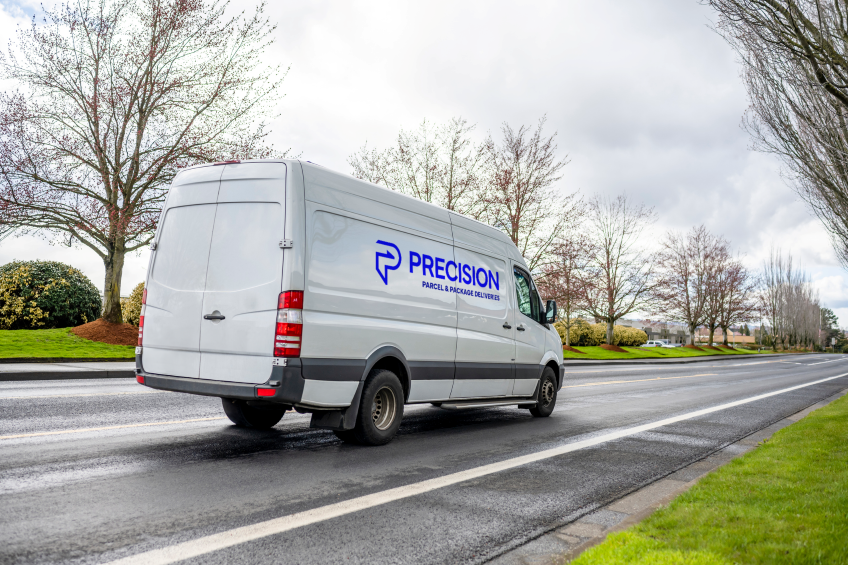
One of those bright spots has been home delivery through its fast-growing final-mile business, Precision Parcel and Package Deliveries. With Amazon outsourcing delivery in Quebec, Precision was able to step up and capture much of that business.
“Amazon asked us to open up in Montreal,” Tepper said, adding the company has grown its Amazon volumes there tenfold in less than a year. It has since responded to Amazon’s request to open a facility in Quebec City, as well.
Tepper said that type of diversity has helped the company weather stormy conditions in other segments, such as truckload and LTL. But he also sees signs of improvement in those segments in the future and is on the hunt for acquisitions that could boost its truckload offerings in both Canada and the United States.
“Challenger needs density,” he said. “We’re looking for more acquisitions on the trucking side.”
Meanwhile, the company has been positioned to take advantage of the recovery. It’s become more asset-light and is now comprised of 60% owner-operators (up from around 22% at the time of its purchase) and could eventually reach an 80/20 mix.
“We have a different vetting process,” Tepper said of onboarding owner-ops.
The company partners with smart operators who treat their business like a business and then strives to keep them busy at industry-standard, or above, rates.
“I can’t think of any [owner-operators] who have come on that have left,” he said. “As long as you can pay them enough and keep them busy.”
In fact, Tepper said Fastfrate is no stranger to managing a predominantly owner-operator fleet. Its CDI drayage division of roughly 500 trucks is comprised entirely of owner-ops.
Three years after the Challenger acquisition, Calandrino said the company is still finding new ways to cross-sell services between Challenger and its other business units. Most recently, it expanded into the customs brokerage and international freight forwarding spaces with the acquisition of Montreal-based Omnitrans.
And while the Challenger acquisition got Fastfrate Group into the U.S. market, it has since expanded its reach down to Mexico through its intermodal partnership with CPKC Rail. In fact, the company now has boots on the ground in Monterrey and Mexico City, where Fastrate wants to establish its own drayage business so it can load freight in Mexico and deliver it north to its final destination.
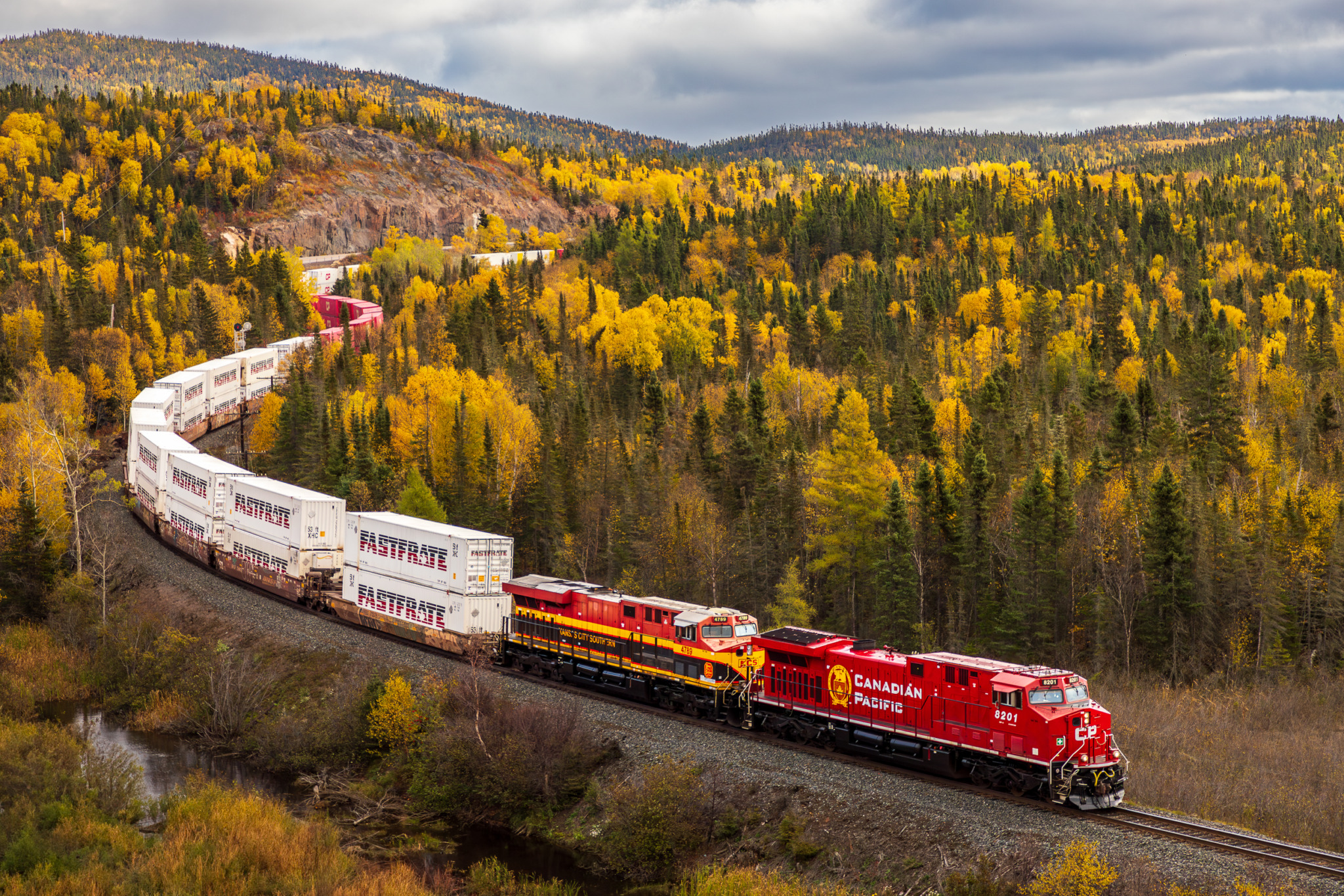
The holy grail, according to Tepper, will be developing an LTL-by-rail cross-border service, something he says has never been done. This would utilize CP’s 180 and 181 trains between Monterrey and Chicago.
“It’s a very good service. It’s as fast as truck and it’s on time almost all the time,” Tepper said.
Currently, intermodal containers typically must be loaded with freight that’s on a single bill of lading to simplify and expedite border inspections. Tepper sees an opportunity to bring an LTL approach to the rails if it can ensure supply chain security from start to finish and pre-clear shipments before they arrive at the border.
“The railway won’t take LTL freight on a container out of Mexico because they don’t want the train to get stopped [for inspection],” Tepper explained. “We’re going to try to put together, through Omnitrans, the ability to pre-clear the LTL freight in Mexico so when we give it to CPKC we can give it to them with one bill-of-lading and they don’t have to worry about clearing it. If we can put together an [intermodal] LTL product out of Mexico, nobody’s doing that.”

Have your say
This is a moderated forum. Comments will no longer be published unless they are accompanied by a first and last name and a verifiable email address. (Today's Trucking will not publish or share the email address.) Profane language and content deemed to be libelous, racist, or threatening in nature will not be published under any circumstances.