Fleets seek integration, training as vehicle technology accelerates

Rapid advances in vehicle technology are reshaping commercial fleet operations, but adoption will depend on effective integration, workforce training and clear economic benefits.
Representatives from fleet operations, utilities and truck manufacturers said during a Green Truck Summit discussion held as part of Work Truck Week, that work trucks are becoming increasingly complex as electrification, advanced driver assistance systems (ADAS), telematics and software platforms expand across the industry.
While these technologies promise improved safety and operational efficiency, they also introduce new challenges for fleets, upfitters and technicians responsible for deploying and maintaining the vehicles.
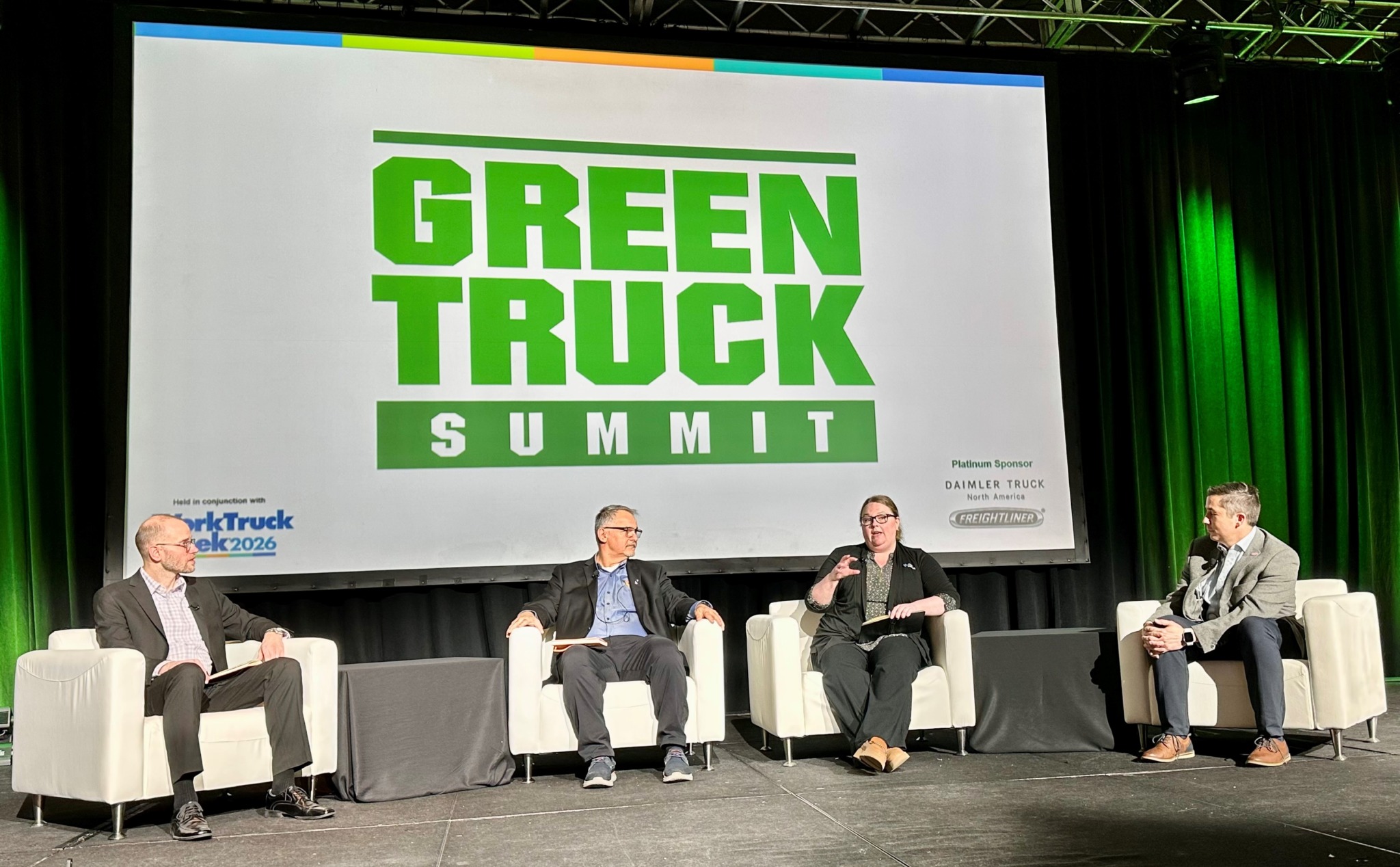
Dean Cerimeli, director of manufacturing at National Fleet Services, said one of the biggest challenges from an upfitter perspective is integrating modern vehicle technology with aftermarket equipment.
Commercial vehicles now include growing numbers of sensors, wiring systems and electronic control modules that must function correctly alongside equipment installed during the upfitting process. As a result, even routine modifications require greater awareness of how vehicle systems interact.
Upfitters must watch out for sensors
Upfitters who once relied on standardized installation practices must now consider the placement of sensors, wiring harnesses and electronic components before installing accessories such as lighting, winches or other equipment.
The shift toward software-driven vehicles is also creating operational challenges for fleets, said Meighan Read, fleet forward (electrification) and technical support, at Duke Energy.
Technologies that function well in consumer vehicles often become more complicated when deployed across large fleets. Managing hundreds or thousands of connected vehicles introduces challenges related to change management, driver adoption and long-term maintenance.
Training for technicians
Modern vehicles increasingly resemble computer platforms, which means technicians must be trained to work with high-voltage systems, advanced diagnostics and software-based controls.
Ensuring the workforce is prepared to maintain these vehicles is becoming a priority for fleet operators.
Driver acceptance also plays a role in technology adoption. Some drivers quickly embrace new features and connected applications, while others may resist systems they perceive as intrusive or unnecessary.
Operational complications
That dynamic can create unexpected operational complications. In some cases, vehicle features available through connected apps may allow drivers to access capabilities that fleets did not intend to activate, creating potential safety or operational concerns.
Panelists said communication between manufacturers, upfitters and fleet operators is essential as vehicle technology continues to evolve.
Cerimeli said even relatively small technology changes can have major operational impacts for large fleets. Introducing new systems across thousands of vehicles requires coordination between manufacturers, service networks and fleet maintenance operations.
Regulatory mandates
Regulations frequently accelerate the adoption of new technologies, but fleets typically base purchasing decisions on operational and financial considerations.
Cerimeli said regulatory mandates often initiate discussions around new technology, but adoption ultimately depends on whether fleets see improvements in uptime, safety or operating costs.
Read added utilities have experienced those challenges during the transition toward electrification and alternative fuels.
Challenges
Duke Energy established aggressive fleet electrification targets earlier in the decade, but vehicle availability and charging infrastructure limitations complicated the transition. Electric vehicles entered the market later than anticipated, while infrastructure costs proved higher than initially expected.
As a result, the company shifted its strategy toward broader emissions reductions rather than focusing exclusively on electric vehicles. That approach allows the fleet to consider multiple technologies, including hybrid systems, that can deliver measurable fuel and emissions reductions.
Manufacturers face similar challenges as they evaluate which technologies provide the greatest value to fleets.
Feedback from customers
Kyle Crawford, national account manager – Paccar Powertrain, Peterbilt Motors Company, said manufacturers rely heavily on feedback from fleets when developing new features and technologies.
Customer advisory councils and direct fleet engagement help manufacturers determine which innovations provide meaningful benefits and which may add unnecessary complexity.
One example is the introduction of fully digital instrument displays in commercial trucks. While initially viewed as a cosmetic change, these systems now provide integrated information from multiple vehicle systems, including safety technologies and driver assistance features.
Training is another key factor in successful technology adoption.
Manufacturers increasingly provide technical training for dealers, body builders and fleet maintenance personnel to ensure new systems are properly installed and maintained. Training programs may include hands-on sessions, facility visits and digital resources designed to support technicians working with advanced vehicle systems.
The road ahead
Looking ahead, panelists identified several technologies likely to shape commercial vehicle development in the near term.
ADAS technologies remain among the most influential, particularly as fleets prioritize safety features such as collision mitigation systems, blind-spot monitoring and pedestrian detection.
While these systems are gaining traction, fleets and drivers are still adjusting to their behavior and performance. In some cases, inconsistent system responses can affect driver confidence, highlighting the need for continued refinement.
Artificial intelligence
Beyond safety systems, vehicle software and artificial intelligence are expected to play an expanding role in fleet operations.
Manufacturers are already using predictive analytics and machine learning to analyze vehicle data and identify potential failures before they occur. Predictive maintenance systems can detect early signs of component wear, allowing repairs to be scheduled during routine service rather than after a breakdown.
These capabilities are aimed at improving uptime, a critical metric for fleets whose vehicles generate revenue only when they are operating.
Panelists emphasized that while technology is advancing rapidly, fleets are not necessarily seeking more technology for its own sake.
Instead, fleet operators are focused on solutions that improve productivity, safety and reliability without adding unnecessary cost or complexity.
Additional systems can increase vehicle weight, introduce new maintenance requirements and create additional potential failure points if they are not properly integrated.
Collaboration
Despite those challenges, panelists said the pace of innovation in commercial vehicles will continue to accelerate as electrification, safety technologies and software platforms evolve.
The industry is undergoing significant transformation, and collaboration between manufacturers, fleets, suppliers and upfitters will be essential to ensure new technologies deliver practical benefits.
Panel participants said the coming years will likely bring further advances in safety systems, powertrain technologies and software capabilities, creating new opportunities for fleets to improve efficiency and performance.

Have your say
This is a moderated forum. Comments will no longer be published unless they are accompanied by a first and last name and a verifiable email address. (Today's Trucking will not publish or share the email address.) Profane language and content deemed to be libelous, racist, or threatening in nature will not be published under any circumstances.