Work truck market steady as economy, uncertainty shape buying decisions

Manufacturers are expecting the vocational truck market to remain stable through 2026, supported by demand from construction, utility and municipal applications, even as economic conditions, regulatory uncertainty and rising costs influence fleet purchasing decisions.
Aaron Scates, vice president of vocational and medium-duty market development at Daimler Truck North America, said the segment has faced headwinds tied to weak construction spending earlier in the year. However, he said improving homebuilder sentiment could support residential construction activity heading into 2026.
At the same time, emerging demand tied to power generation and data infrastructure is creating new opportunities for vocational trucks, he added. Growth in AI-driven facilities, including power supply systems and data warehouses, is contributing to demand for specialized applications and helping offset softness in other construction segments.
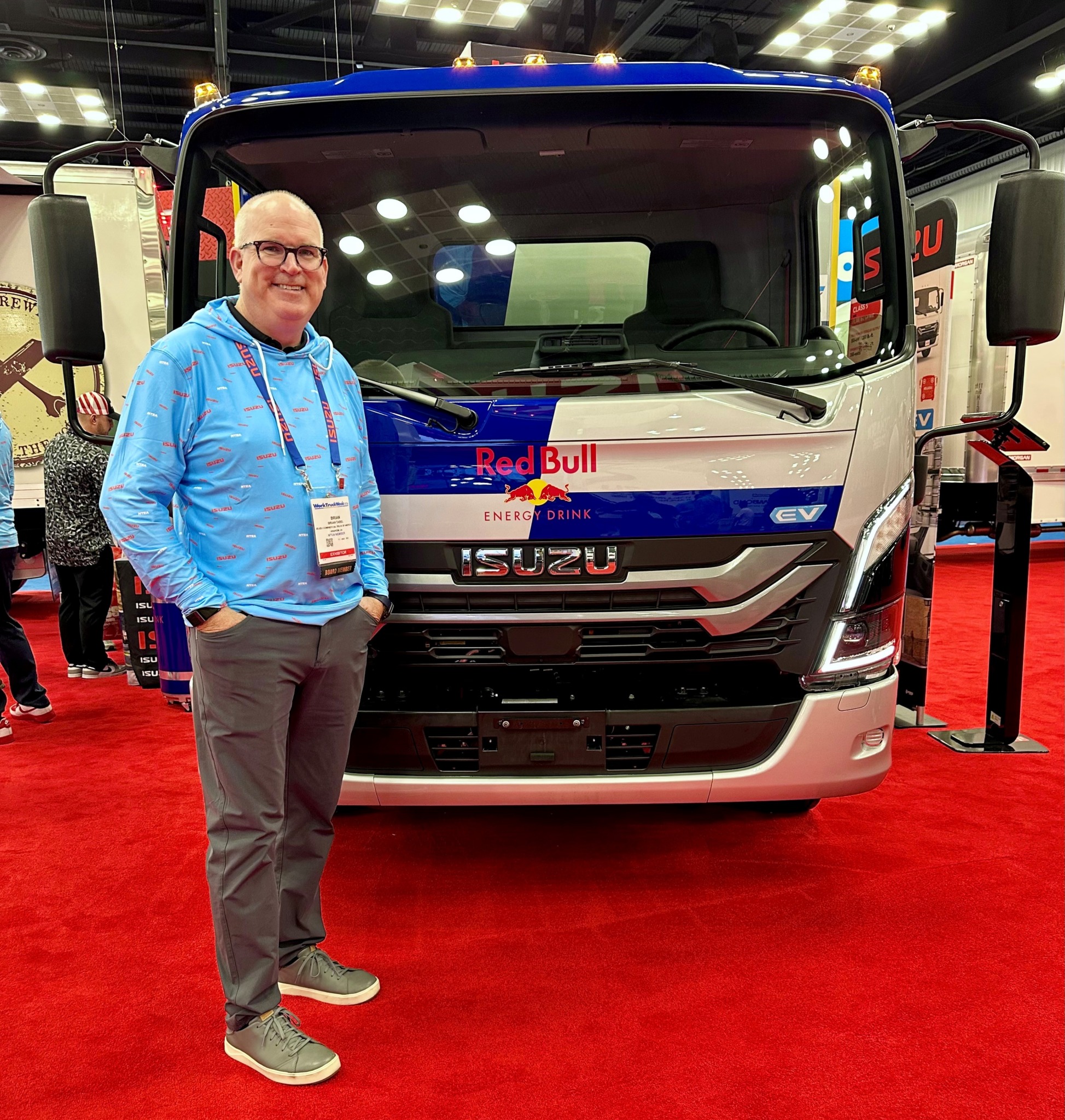
Fleets are also closely monitoring regulatory developments, particularly emissions standards expected to take effect in 2027, which are widely anticipated to increase vehicle costs.
Brian Tabel, assistant vice president of marketing at Isuzu Commercial Truck of America, said uncertainty around final emissions requirements remains a key factor in planning.
He said if the regulations proceed as expected, higher engine and technology costs could lead to a pre-buy cycle, with fleets accelerating purchases ahead of the 2027 implementation timeline.
Increased dealer inventory levels
To prepare for that possibility, Isuzu has increased dealer inventory levels and positioned additional trucks at port facilities. Tabel said the company is aiming to ensure availability if demand strengthens following regulatory announcements, while maintaining flexibility to continue production into early 2027.
He added that safety remains a central focus for product development, with advanced driver assistance systems being integrated across diesel, electric and upcoming gasoline platforms. These systems are intended to improve safety for drivers and others on the road.
Jim Nebergall, executive director of market strategy at Cummins, said the medium-duty market is expected to remain active in the near term, with 2026 potentially seeing elevated demand as fleets respond to anticipated cost increases.
Mixed demand signals
He said rising technology costs tied to emissions compliance are expected across the industry, particularly in higher-displacement engine segments. At the same time, broader uncertainty, including tariffs and economic conditions, is influencing fleet behavior.
Some customers are moving ahead with purchases to avoid future cost increases, while others are delaying decisions amid uncertainty, he said, creating mixed demand signals across the market.
Nebergall added that emissions regulations themselves are not expected to change significantly, although some adjustments related to emissions warranty requirements may be considered. Engine manufacturers continue to move forward with product development plans, including new platforms expected to be introduced over the next several years.
Fleets are also adjusting their planning cycles, with shorter-term decision-making becoming more common as operators weigh risks tied to pricing, regulation and market conditions.
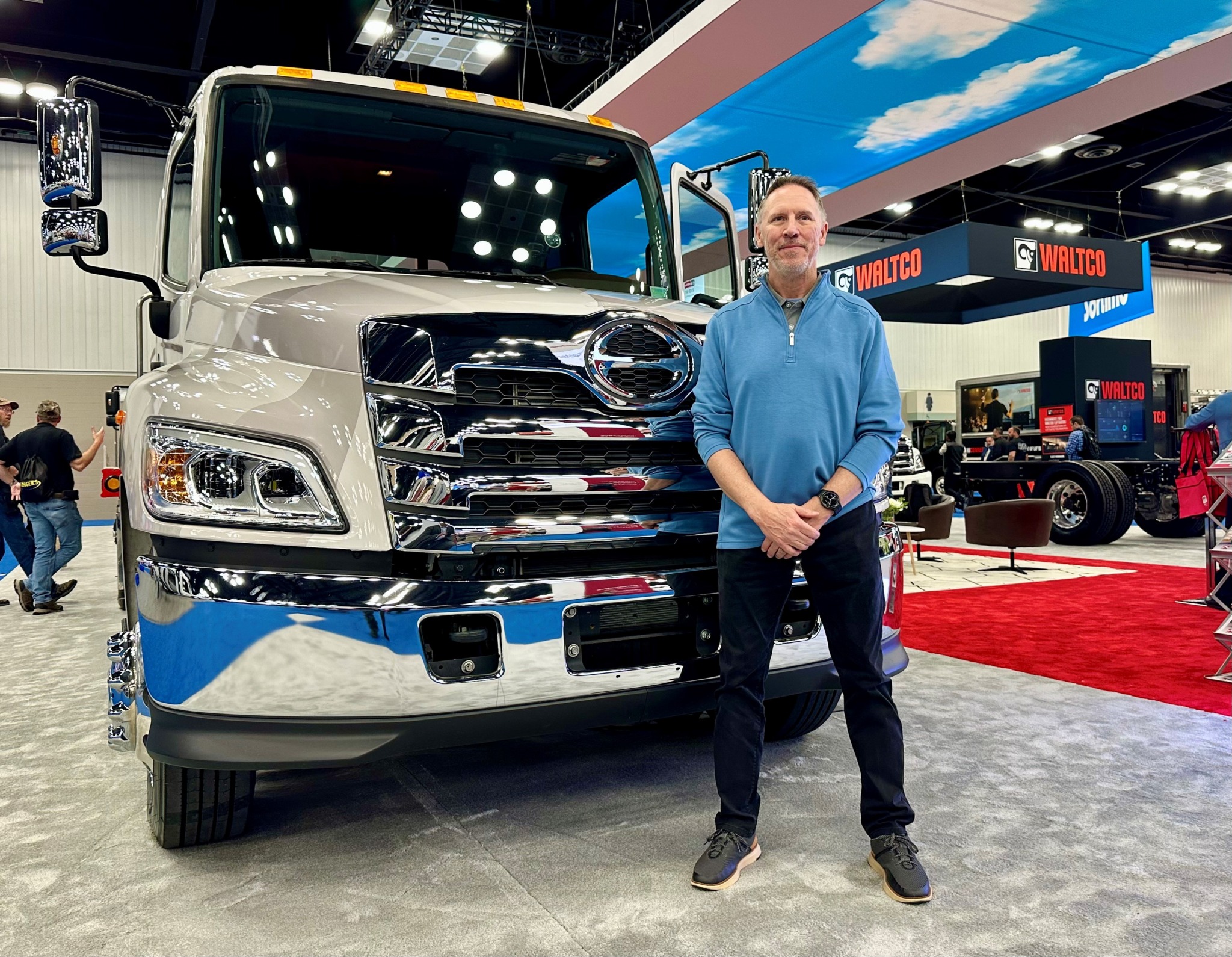
Mark Brakeall, director of marketing, dealer operations and market intelligence at Hino Trucks, said customers are taking a cautious approach to purchasing decisions, weighing factors such as interest rates, operating costs, tariffs and regulatory timelines.
Despite those considerations, he said the vocational segment remains more resilient than other areas of the truck market because the vehicles are tied to essential work, including construction, utilities and municipal services.
That underlying demand continues even when freight conditions soften, supporting relative stability in the segment. Brakeall added that some fleets delayed purchases over the past several years, contributing to replacement demand that is now building.
He said uptime remains the top priority for customers, as trucks are critical tools for daily operations. OEMs continue to focus on reliability, service support and technologies that help fleets monitor performance and reduce unplanned downtime.

Have your say
This is a moderated forum. Comments will no longer be published unless they are accompanied by a first and last name and a verifiable email address. (Today's Trucking will not publish or share the email address.) Profane language and content deemed to be libelous, racist, or threatening in nature will not be published under any circumstances.