Mentorship, technology reshape fleet training programs

Mentorship and structured training programs are becoming central pillars of fleet safety strategies.
Effective mentorship starts long before drivers hit the road, requiring leadership commitment, consistent safety messaging and clear expectations across an organization, panelists said at the Private Motor Truck Council of Canada’s regional seminar in Milton, Ont., on Feb 19.
Jim Dimech, director of distribution, merchant and on-site gases at Linde Canada, said building a strong safety culture begins with hiring drivers who align with company values and reinforcing those expectations through continuous training. New hires complete extensive classroom instruction followed by several weeks of practical training before certification, supported by refresher programs and ongoing coaching aimed at reinforcing safe behaviors.
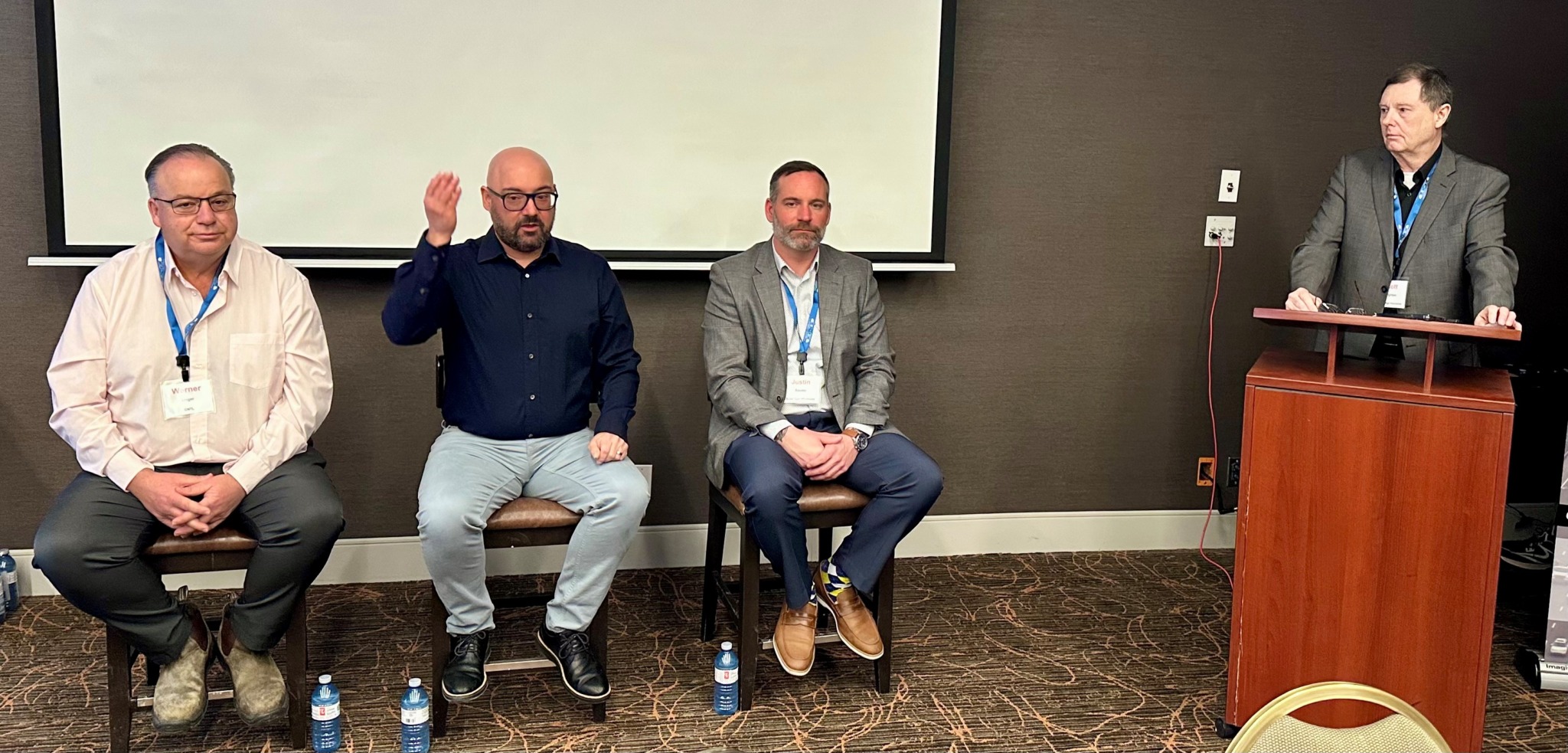
Justin Bauder, national fleet manager at Giant Tiger, said mentorship programs work best when fleets focus on simple, consistent actions that reinforce culture. He noted that frequent touchpoints and regular feedback help drivers understand expectations while ensuring fleets follow through on safety commitments. Drivers ultimately become the public face of a fleet’s safety culture, making consistency in training and communication essential, he added.
Responding quickly to risky behavior
Werner Unger, safety and compliance manager at Canadian National Transportation, described a mentorship model shaped by the realities of an owner-operator fleet working in busy rail yards. Peer-to-peer communication and regular safety briefings help reinforce best practices in an environment he said presents unique operational hazards. He added that maintaining face-to-face interaction with drivers remains important, even as fleets grow and operations become more complex.
Panelists said telematics and advanced safety technology are reshaping how fleets train and mentor drivers, allowing managers to identify risky behaviors sooner and respond more quickly.
Bauder said modern telematics dashboards provide detailed insight into braking, acceleration and stability-control events, enabling fleets to conduct coaching sessions within days instead of weeks. The shift toward data-driven coaching, he said, has changed how fleets measure performance and track progress over time.
Cameras used as safety tools
Dimech said Linde Canada uses outward- and inward-facing cameras supported by monitoring centres that can detect fatigue or distraction events and trigger real-time alerts to drivers and managers. While acknowledging driver concerns around privacy, he said early communication and clearly defined guardrails helped position the technology as a safety tool focused on coaching rather than discipline.
Unger noted that adopting new technology can be more complicated in unionized owner-operator environments, where changes such as cameras require negotiation. Still, he said telematics data has proven valuable for identifying trends, guiding investigations and helping drivers understand how specific actions on the road can lead to larger incidents.
Focus on meaningful data
As fleets adopt new tools, speakers stressed the importance of change management and focusing on meaningful data instead of trying to track everything.
Dimech said fleets initially struggled with information overload but have since shifted toward monitoring specific behaviors that directly influence safety performance. Bauder added that integrating connected-fleet technology and remote diagnostics has improved equipment uptime and reduced roadside breakdowns, strengthening the operational case for new systems while supporting safety goals.
Panelists also highlighted the role drivers play in shaping training programs and equipment decisions. Dimech said Linde Canada involves drivers when spec’ing equipment for different operating environments, while Bauder noted that driver-development teams help evaluate new safety features before trucks enter service.

Have your say
This is a moderated forum. Comments will no longer be published unless they are accompanied by a first and last name and a verifiable email address. (Today's Trucking will not publish or share the email address.) Profane language and content deemed to be libelous, racist, or threatening in nature will not be published under any circumstances.