Economy

Diesel Costs Turn Higher for First Time in Weeks
LONDON, ON and WASHINGTON, D.C. -- The average price for trucking's main fuel has posted weekly increases in both Canada and the U.S. for the first time since early this summer. In Canada diesel gained $0.002 from last week for a national average of $1.033 per liter, according to the petroleum information services provider The Kent Group. This follows 10 consecutive weeks where the price either fell or was unchanged, in which it declined a total of $0.093 per liter. Despite this week's gain, diesel is $0.264 per liter less than this time last year and remains at its lowest level in several years. South of the border, the U.S. Energy Department reported the first week-over-week increase for diesel in 14 weeks, with the average retail price picking up US$0.02 from last week, hitting US$2.534 per gallon. From late May through the end of August the average U.S. diesel price decreased by US$0.40, registering US$2.514, its lowest price since July 2009.

Continental Opens Commercial Retread Facility in Saskatchewan
SASKATOON, SK --- Continental Tire has opened what it says is the first commercial tire retread facility in western Canada. The new location will operate as a ContiLifeCycle facility, which is the umbrella for Continental Tire's retreading operations, according to Continental.

Viewpoint: National Truck Week 2015
National Trucking Week, celebrated September 6 to 12 this year, is a good time to consider the truck driving occupation and what we can do to encourage the best candidates to enter a demanding and essential career that requires judgment, planning, know-how and a host of other skills. Unlike autonomous vehicles, drivers may be called upon to react quickly to unexpected incidents on the road, bringing all their varied experience about their equipment, the load they're hauling, and road conditions into play. The question is, is the trucking industry appealing to enough quality candidates to meet our needs today - and in the future? Planners of large-scale projects in Northern BC are realizing the pool of available drivers is diminishing at a time when they need it to grow. A report developed by a liquefied natural gas (LNG) provincial working group identifies "truck driver" is the 7th most in-demand occupation to complete these projects. Today, there are about 300,000 truck drivers in Canada - that's 1 percent of the population and 1.5 percent of the labour force. In BC, most truck drivers are male (96 percent), and nearly half (47 percent) are between the ages of 45 and 64. With less interest in the career from young men, the traditional labour pool for trucking, governments are funding programs to train women and Aboriginal candidates to be competent for the occupation.

Westport and Fuel Systems Solutions Announce Merger
VANCOUVER, BC and NEW YORK, NY -- Westport Innovations Inc. and Fuel Systems Solutions Inc. on Tuesday jointly announced the companies have entered into a merger agreement to create an alternative fuel vehicle and engine company. The move comes after the two companies combined lost US$43.7 million in the first half of 2015, according to Transport Topics newspaper. Westport has a publicly stated goal of reaching break even by the middle of 2016 and the merger would only strengthen the company's ability to meet this goal, said a news release. The companies anticipate closing the transaction in the fourth quarter of 2015. Westport and Fuel Systems will operate as separate companies until that time.


Tomorrow, Ontario Changes Rules of The Road
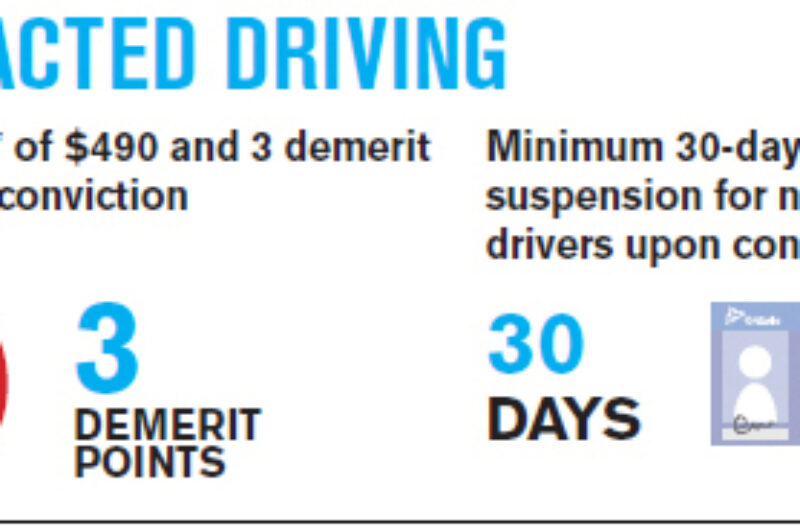
TORONTO - Tougher penalties for certain driving violations plus increased driver and vehicle license fees in Ontario all take effect on Tuesday, Sept. 1, and the Toronto Trucking Association wants all truckers to know about it. The organization has issued a bulletin outlining tougher penalties for distracted driving, new rules protecting bicyclists and measures to ensure the safety of tow truck drivers. The province has also changed rules surrounding children riding school buses. Penalties for distracted driving will include an increased set fine of $490 and three demerit points upon conviction. Novice drivers will receive a minimum 30-day suspension for the first conviction and longer suspensions for subsequent convictions.
U.S. Canada Freight Movements Post Steep Drop
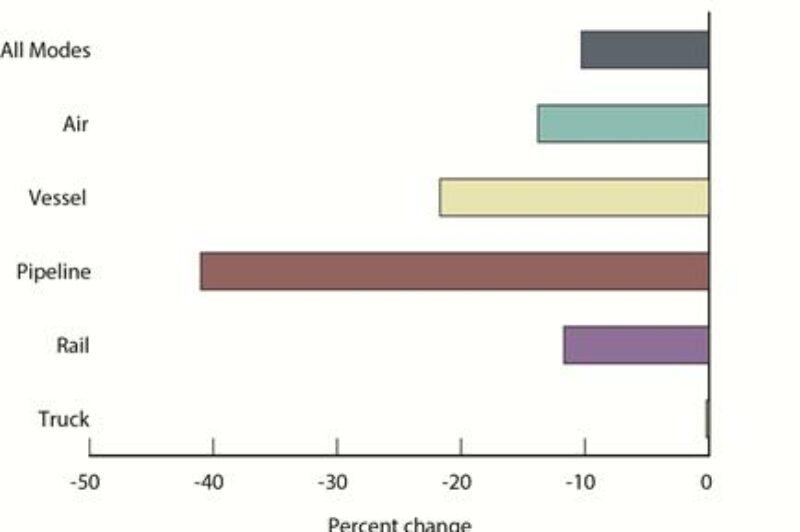
WASHINGTON, D.C. -- The value of freight moving between Canada and the U.S. posted a steep decline in June, according to newly released figures from the U.S. Transportation Department. It fell 10.3 percent from June 2014, totaling US$52 billion, as all modes of transportation carried a lower value of U.S.-Canada freight than a year earlier. A possible recession in Canada got the blame from the department for the decrease in freight flows. The decline in overall U.S. imports and exports with Canada were each down 10.3 percent from a year earlier as well. U.S. truck freight imports from Canada by value did show a 7.9 percent increase over the past year but U.S. truck exports to Canada by value fell 6.1 percent during the same time. This led to total a total decline of 0.2 percent in U.S.-Canada freight flows by value for the month.

Average Diesel Cost Unchanged, Still Lowest in Years
LONDON, ON and WASHINGTON, D.C. -- The national average cost of diesel has paused from its recent string of declines while gasoline has moved lower over the past week in Canada. The petroleum information services provider The Kent Group reports diesel is at $1.05 per liter for the second consecutive week after falling for eight straight weeks and hitting its lowest level since November 2010. Compared to this week a year ago the price $0.242 less. Not surprisingly, prices varied little if any in the different regions of Canada from last week with the Atlantic provinces this week recording an average of $1.025 per liter, Quebec at $1.097, Ontario at $1.026 and the Western Provinces at $1.065.

Canada-U.S. Truck Border Crossing Figures Reveal Surprises
WASHINGTON, D.C. --New analysis of data shows truck traffic between Canada and the U.S. has declined while it has increased between the U.S. and Mexico. The Journal of Commerce reports U.S. Transportation Department figures show since the second quarter of 2005, truck crossings between Canada and the U.S. decreased 16 percent but grew 19 percent between the U.S. and its neighbor to the south Also, truck crossings at both U.S. borders have increased since 2009, as the level with Mexico approaches what the U.S. has with Canada. It reports in the second quarter of this year, Mexican border truck crossings with the U.S. were up 2.6 percent year-over-year, while crossings at the U.S. Canadian border dropped 1.6 percent. Compared to the first quarter of the year, Canadian truck crossings increased 4.1 percent in the second quarter of 2015, while there was a 5.1 percent jump in June from May after falling in April from May. At Detroit, the second-largest U.S. truck border crossing, truck volumes increased 3.4 percent from the first quarter, according to JOC, but were down 4.6 percent year-over-year.