Team work, technology will help combat cargo theft: CargoNet

Combatting cargo theft is a team sport in which carriers, truckers, shippers and brokers must work together to thwart technically savvy criminals.
“It’s a surgical strike, the bad guys are using technology. They’ve figured out what’s on the trailer before they attack it,” said Keith Lewis, vice-president of operations with CargoNet during a webinar organized by the Truckload Carriers Association.
He added that in the past, domestic criminals were involved. Now, the threat is global. Thefts been traced back to 22 countries. And they are using sophisticated methods including fictitious pickups, diverted loads and altered bills of lading.
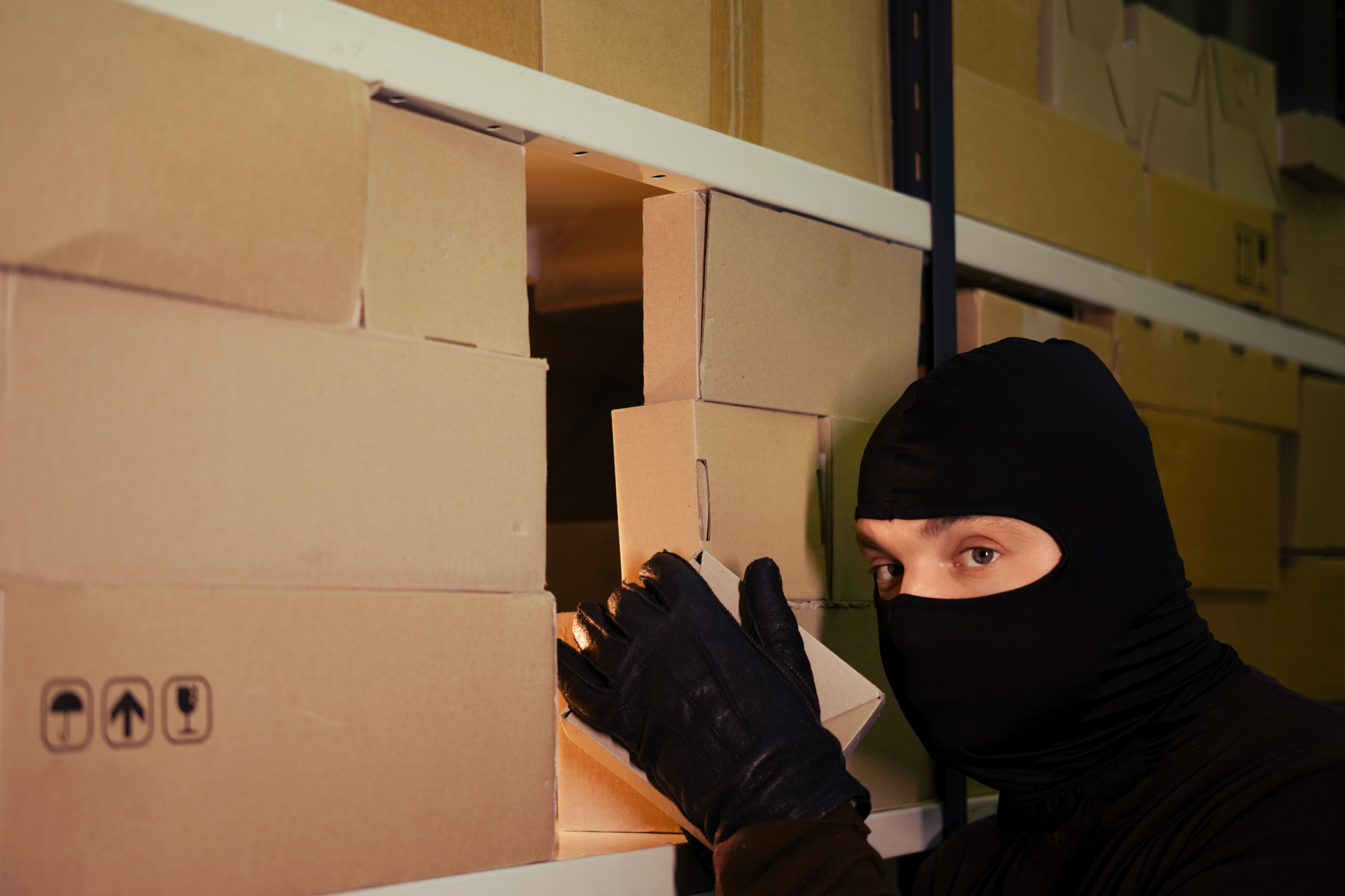
“The bad guys are taking advantage of the speed and efficiency built in the supply chain. The faster we can move goods, the faster they can steal them.”
Only 10%-15% of cargo theft is reported in the U.S. “It’s a serious problem and it’s getting worse. Sunlight is the best solution, so let’s get some transparency on it,” Lewis urged.
Thieves target goods that are in demand and can be sold quickly. Energy drinks and alcoholic beverages are leading the way, he pointed out. Energy drinks are illegal in some countries and can’t be imported, so criminals are stealing them and shipping them overseas. Robotic vacuums and solar panels are also hot-ticket items for thieves.
Last line of defence
Lewis said in the past, thieves would break into warehouses. Now they just get on a loadboard and steal freight.
The shipping office is the last line of defence and education is key. “That’s the last person that’s going to have eyes on that load and that driver,” he said.
There are telltale signs of impending trouble. Make sure the driver has an “A” classification on the licence, the truck has a company’s name painted on it and DOT numbers are not taped over. Check if the licence plate belongs to a commercial vehicle. If a load is being moved across the country, a day cab should not be coming to pick up the goods.
Dealing with law enforcement
When dealing with law enforcement, they may not be aware of industry nomenclature. Make sure you know the jurisdiction where the crime occurred and take the time to find the penal code associated with it, Lewis advises. Stick to the basics and say your load has been stolen. Also make sure to get a case number that you can provide to your insurance company.
He added this pro tip: If police are unwilling to provide a case number and will not file a report, ask for a CAD (computer assisted dispatch) number. This is generated when you make a 911 call. You can hand the number over to your insurer to prove you informed law enforcement authorities.
There are many ways to prevent cargo theft. Lewis urged carriers to use telematics in trucks. “If you don’t have that, use an Air Tag or similar device. Throw it into your truck.”
Backup GPS units
Make sure trailers have a GPS unit on them and install a backup one as well. Mount it around the computerized brake module so thieves think it’s part of that system and won’t interfere with it.
Lewis wants to see locks on the left-hand doors of trailers, noting they can be easily opened without breaking the seal on the right-hand door.
“If you don’t have a lock, buy a bicycle chain and a lock and wrap it around the load bars. Do something to slow thieves down. Buy 30 seconds, they’ll go on to stealing something else.”
Use intelligence and data to keep drivers away from trouble spots along their routes. And talking about drivers, make sure they are vetted. Living beyond their means is a sign of trouble.
In some instances, drivers have interrupted a theft and have gotten hurt. Make security part of the safety briefing, Lewis advised.

Have your say
This is a moderated forum. Comments will no longer be published unless they are accompanied by a first and last name and a verifiable email address. (Today's Trucking will not publish or share the email address.) Profane language and content deemed to be libelous, racist, or threatening in nature will not be published under any circumstances.