OTA warns of risks of mutual recognition as interprovincial trade barriers targeted

The Ontario Trucking Association (OTA) is warning that adopting mutual recognition rules for trucking regulations could undermine road safety and create competitive imbalances in the industry.
In comments submitted to the Ontario government as part of consultations on the proposed Free Trade and Mobility Act, the association said mutual recognition — which would allow provinces to accept each other’s regulatory frameworks — may not be suitable for the trucking sector.
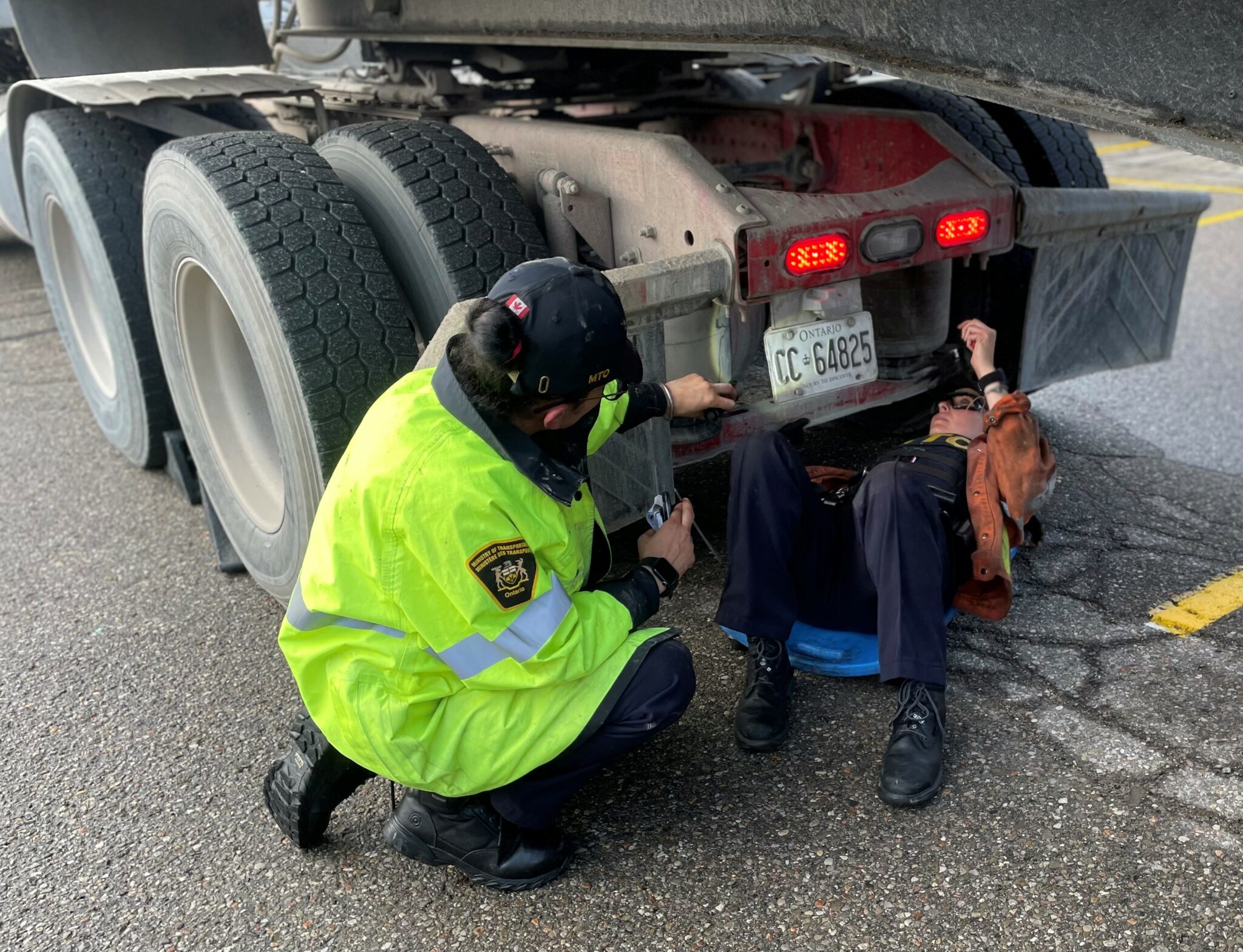
OTA said Ontario’s current regulatory system includes stricter safeguards than some other provinces, particularly in areas such as hours-of-service rules, electronic logging device (ELD) requirements, and carrier safety monitoring.
For example, Ontario requires mandatory daily and weekly off-duty periods for drivers and uses certified third-party ELDs to monitor compliance, measures the association says are not uniformly enforced across all jurisdictions.
“Reducing the effectiveness of our existing laws and regulations that apply to trucks driving on Ontario roads is not an effective solution to improving inter-provincial trade,” said Geoff Wood, OTA’s senior vice president of policy. “OTA supports progressive action to make interprovincial trade more efficient and productive, but it cannot come at the cost of road safety or putting Ontario’s trucking industry at a competitive disadvantage.”
The association also said mutual recognition could affect the transfer of commercial driver’s licenses between provinces if mandatory training standards differ. It also raised concerns that Ontario’s Commercial Vehicle Operator’s Registration (CVOR) system — widely considered among the strongest carrier safety monitoring programs in Canada — could see its oversight weakened.
While consultations continue, OTA continues to urge the Ministry of Transportation to take additional steps to strengthen truck safety enforcement in the province.
Among the recommendations are: eliminating the “satisfactory-unaudited” carrier safety rating category to require regular compliance reviews; expanding commercial vehicle inspection facilities to operate 24/7 with federal and provincial enforcement agencies; and introducing an endorsement-based truck licensing system tied to vehicle configurations.
Have your say
This is a moderated forum. Comments will no longer be published unless they are accompanied by a first and last name and a verifiable email address. (Today's Trucking will not publish or share the email address.) Profane language and content deemed to be libelous, racist, or threatening in nature will not be published under any circumstances.

Those parts of Canada with gov insurance like MB Sask and B C should set a min standard
A farm. / trucking company or Construction company in Ontario or Alberta that has 12 or less units over 10 000 kgs or a taxi or small bus company is a very large disadvantage to larger fleets in Ontario. I agree with the setting of the min standard but with that comes a graduate truck drivers / bus permit and min pay rates for different sizes of trucks and or busses on payroll. We also need medical insurance that is good across Canada and the U S for truck and bus drivers at the same time.if they are red seal