Railways halt more shipments ahead of potential lockout as bargaining tensions rise
The country’s two main freight railways are turning away a growing number of goods ahead of a potential work stoppage next week that could snarl supply chains and disrupt industry.
Canadian National Railway schedules show that, starting Friday, it is barring container imports that originate at some ports, including New York City.
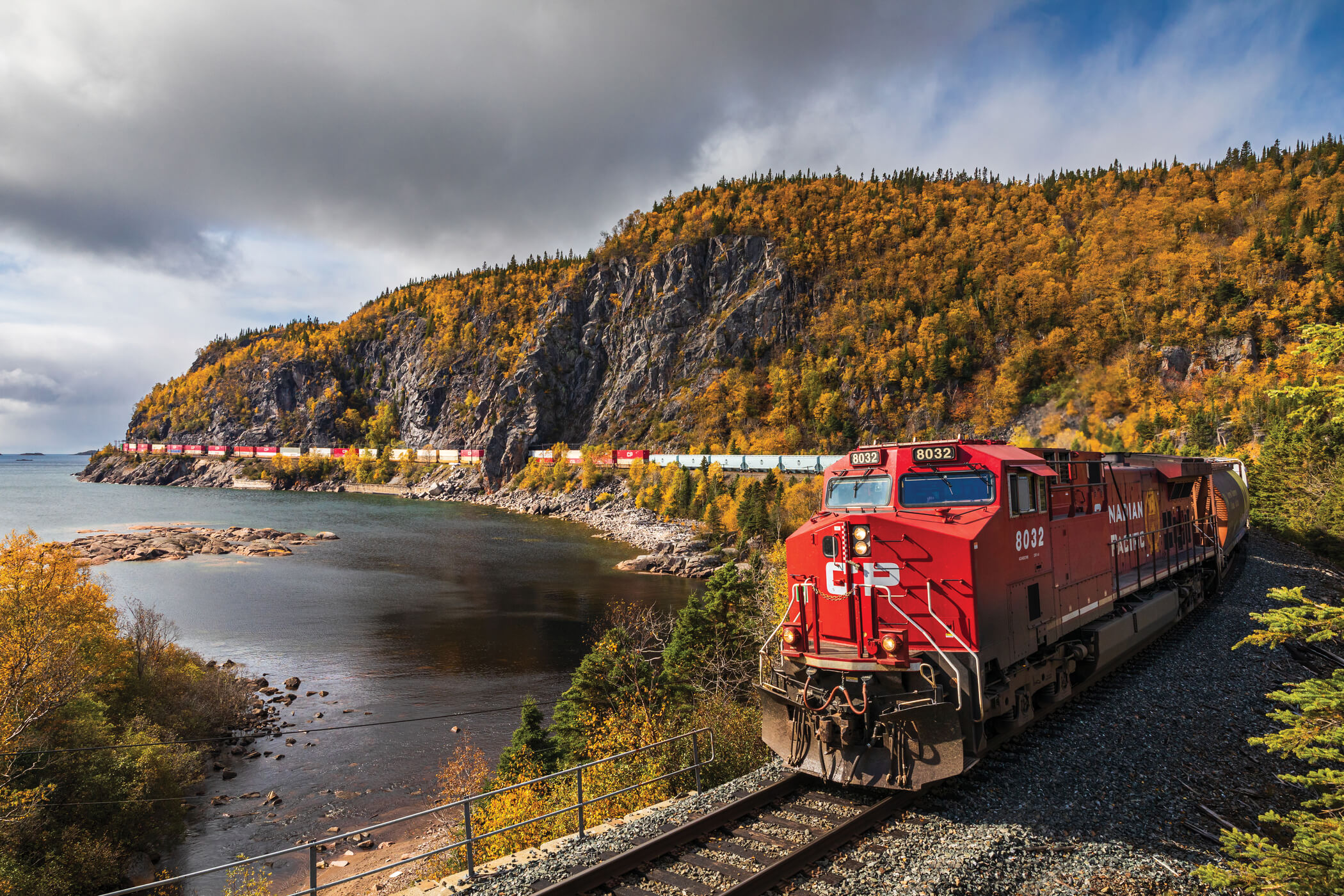
CN and Canadian Pacific Kansas City are also beginning to halt shipments that need cooler temperatures, such as meat and medicine, to avoid seeing stranded loads go bad should a work stoppage occur.
The two rail companies have warned that 9,300 engineers, conductors and yard workers will be locked out at 12:01 a.m. on Thursday unless they can reach new collective agreements, while the union has also said it is poised for a strike.
Both sides remain at the bargaining table after weeks of deadlock over scheduling and wages, with shipments of chlorine for drinking water already halted as part of a phased shutdown poised to progress even further next week.
Federal Labour Minister Steven MacKinnon on Thursday rejected a request from CN to impose binding arbitration as the negotiating clock ticks down.
Trucking sector concerned
Canadian Trucking Alliance (CTA) has expressed its concerns in a statement on Wednesday. CTA president Stephen Laskowski said that long long term, potential labor disruptions of this magnitude will send the message to the world that Canada’s business environment is becoming less and less appealing to invest in.
Meanwhile, CTA says it has heard from members that traditional rail customers have been securing additional truck capacity since February based on concerns over labor disruptions. However, even despite some additional capacity in the trucking industry, this capacity will have its limits based on commodities and lanes.
CTA added that it will be working with the Canadian Chamber of Commerce and other business groups throughout this potential railway strike to develop a joint business community response to Ottawa.
Chemical producers, U.S. players alarmed
Other industry players both in Canada and U.S., including chemical producers, are growing more alarmed by the day, too.
“We’re already in a strike for chlorine,” said Alan Robinson, commercial vice-president at Chemtrade Logistics. The company says it provides chlorine for 40% of Western Canada’s drinking water, as well as much of the western United States.
Its product cannot move by truck or ship, he noted, and safety regulations limit the amount that can be stockpiled.
“You will have boiled water across all Canada and the western U.S.,” Robinson warned.
The White House and U.S. Environmental Protection Agency both reached out to the Toronto-based company this week with concerns about municipal water treatment, he said.
“You’re looking at seven to 10 days once they don’t have shipments before they’re in trouble,” said Bob Masterson, CEO at the Chemistry Industry Association of Canada. Most municipalities also have a few more days’ worth of treated water in storage tanks, he added.
Both railways began a detailed process of applying the brakes to freight flows this week.
After Friday, no domestic refrigerated containers will be allowed into CPKC terminals — from Vancouver to Saint John, N.B., to Laredo, Texas — according to a “wind-down schedule” obtained by The Canadian Press.
CPKC has also broadened its ban on hazardous materials shipments. It stopped accepting containers loaded with dangerous goods on Thursday, according to a customer notice.
As of Saturday, the company is rejecting all “security-sensitive” materials — fertilizers and explosives, for example — and time-sensitive items, such as perishable food. The embargo expands on a ban on poisonous and toxic inhalation substances from earlier in the week.
This report by The Canadian Press was first published Aug. 16, 2024.

Have your say
This is a moderated forum. Comments will no longer be published unless they are accompanied by a first and last name and a verifiable email address. (Today's Trucking will not publish or share the email address.) Profane language and content deemed to be libelous, racist, or threatening in nature will not be published under any circumstances.