Canada’s largest electric truck trial delivers clarity for fleets

FPInnovations’ PIT Group has concluded Canada’s most comprehensive real-world test of heavy-duty battery-electric trucks, following two fleets as they collected more than 200,000 km (124,224 miles) of data over a year on Montreal-area roads.
Transport Canada’s Zero-Emission Trucking Program has delivered one of the clearest datasets yet on how electric Class 8 trucks perform outside controlled demonstrations and pilot programs.
“This project has been unique in that it was conducted over such a long period of time — 12 months, across different seasons and with two separate fleets — which is something fleets generally haven’t been able to do on their own,” said Maxime Tanguay-Laflèche, senior researcher in telematics and advanced data with FPInnovations’ PIT Group.
The results were largely positive, yet the report also highlights challenges that must still be overcome before electric Class 8 trucks are more widely adopted.
The diesel replacement myth fades
A key finding is that deployment of BEVs (battery-electric vehicles) is not as simple as swapping out diesel units for electric trucks.
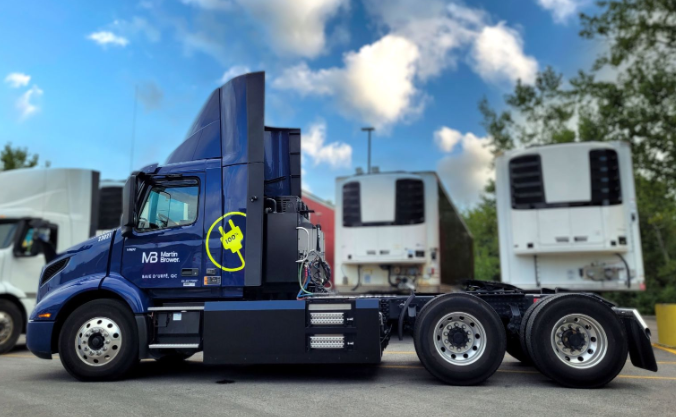
Electric trucks operated by Martin Brower and Loblaw and followed by PIT Group for a year performed best not when asked to mimic diesel operations, but when fleets adapted operations around the strengths — and limitations — of the technology.
“The fleets integrated the trucks into their operations; we didn’t influence how they were used,” Tanguay-Laflèche said. “Our role was to monitor performance and provide feedback that could help optimize how Class 8 battery-electric trucks are actually operated.”
The report repeatedly shows that success depended less on vehicle capability than on operational alignment. Routes with predictable distances, centralized terminals and controlled return schedules allowed electric trucks to operate efficiently and reliably, while variability and scheduling pressure quickly exposed operational flaws.
Efficiency gains are undeniable
From an energy perspective, the electric trucks delivered on expectations. Battery-electric trucks consumed dramatically less energy than diesel counterparts, while producing at least 80% fewer greenhouse-gas emissions under Quebec’s relatively clean electricity grid.
Those gains were achieved even though trucks frequently operated below their theoretical range due to conservative dispatch decisions and limited confidence in public charging availability.
Weather played a measurable role in performance.
“From the data we gathered, extreme cold clearly leads to higher overall energy consumption during winter, while the best efficiency occurs during summer conditions,” Tanguay-Laflèche said, noting temperature effects mirror fuel-consumption trends seen in diesel equipment.
He added that range is influenced by multiple operational variables. “There’s a long list of factors that impact range on a battery-electric truck — just as with diesel — including temperature, terrain and driver behavior.”
The cost parity equation
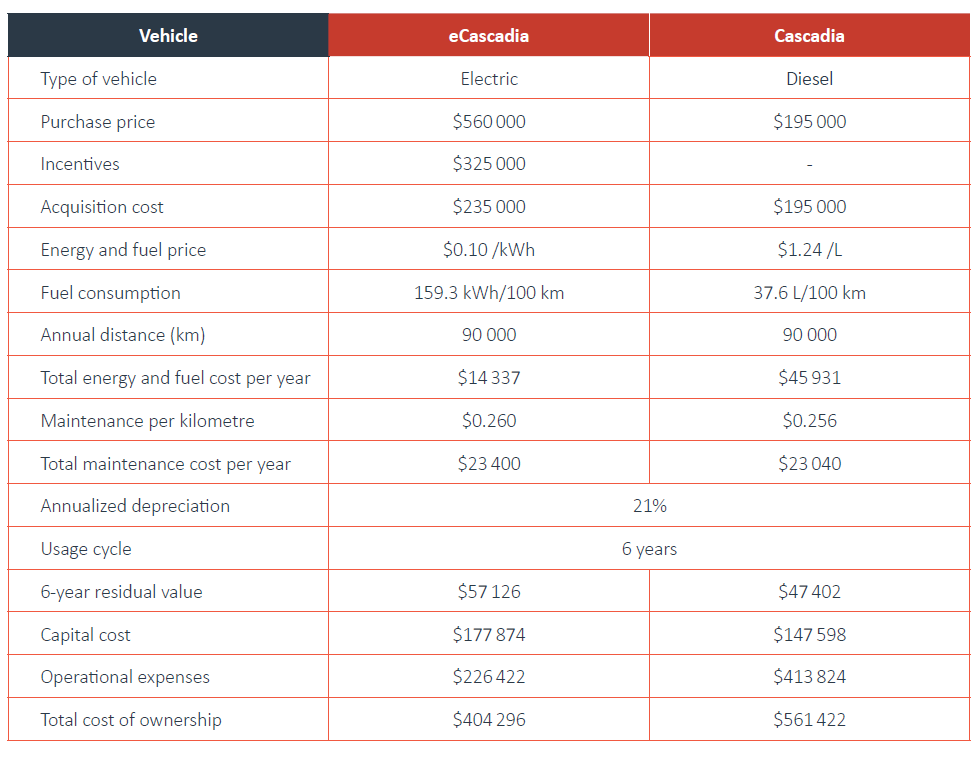
Among the study’s most important findings related to how BEV total cost of ownership stacks up against diesels.
With government purchase and infrastructure incentives in place, battery-electric Class 8 trucks can approach cost parity with diesel equipment over a six-year lifecycle — provided annual utilization reaches roughly 74,000 kilometers (45,981 miles).
Remove those incentives, however, and required utilization more than doubles to levels many regional fleets cannot realistically achieve.
“If you want to optimize total cost of ownership, you really need to use the truck as much as possible,” Tanguay-Laflèche said. “Annual mileage becomes a key factor in reducing cost per kilometer.”
Until acquisition costs decline or policy certainty stabilizes, adoption will likely remain targeted rather than widespread.
Infrastructure emerges as the real bottleneck
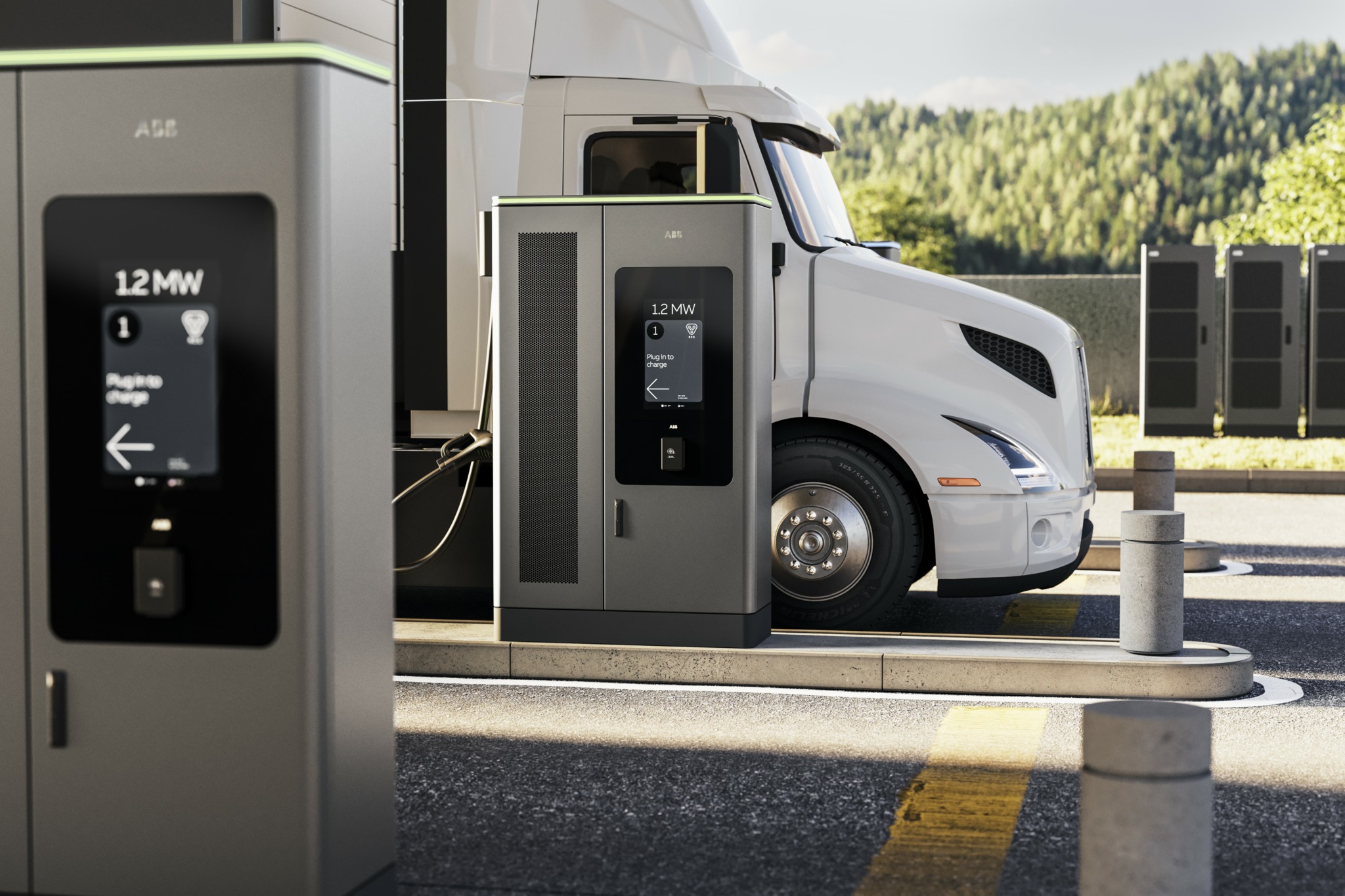
The study also identified charging infrastructure as a critical challenge to overcome before electric trucks are more widely adopted.
Drivers and dispatchers consistently limited route utilization out of concern for charging availability rather than actual battery range.
“We saw fleets being cautious in how they deployed the trucks, not necessarily because the battery was depleted, but because of uncertainty around charging availability,” Tanguay-Laflèche said.
The research highlights how infrastructure reliability, charging speed and depot planning directly influenced productivity. Charging strategy effectively became a new layer of fleet management alongside fuel purchasing and maintenance planning.
Fleets deploying electric trucks must consider charging requirements early and work closely with utilities when preparing facilities for electrification.
Reliability remains a work in progress
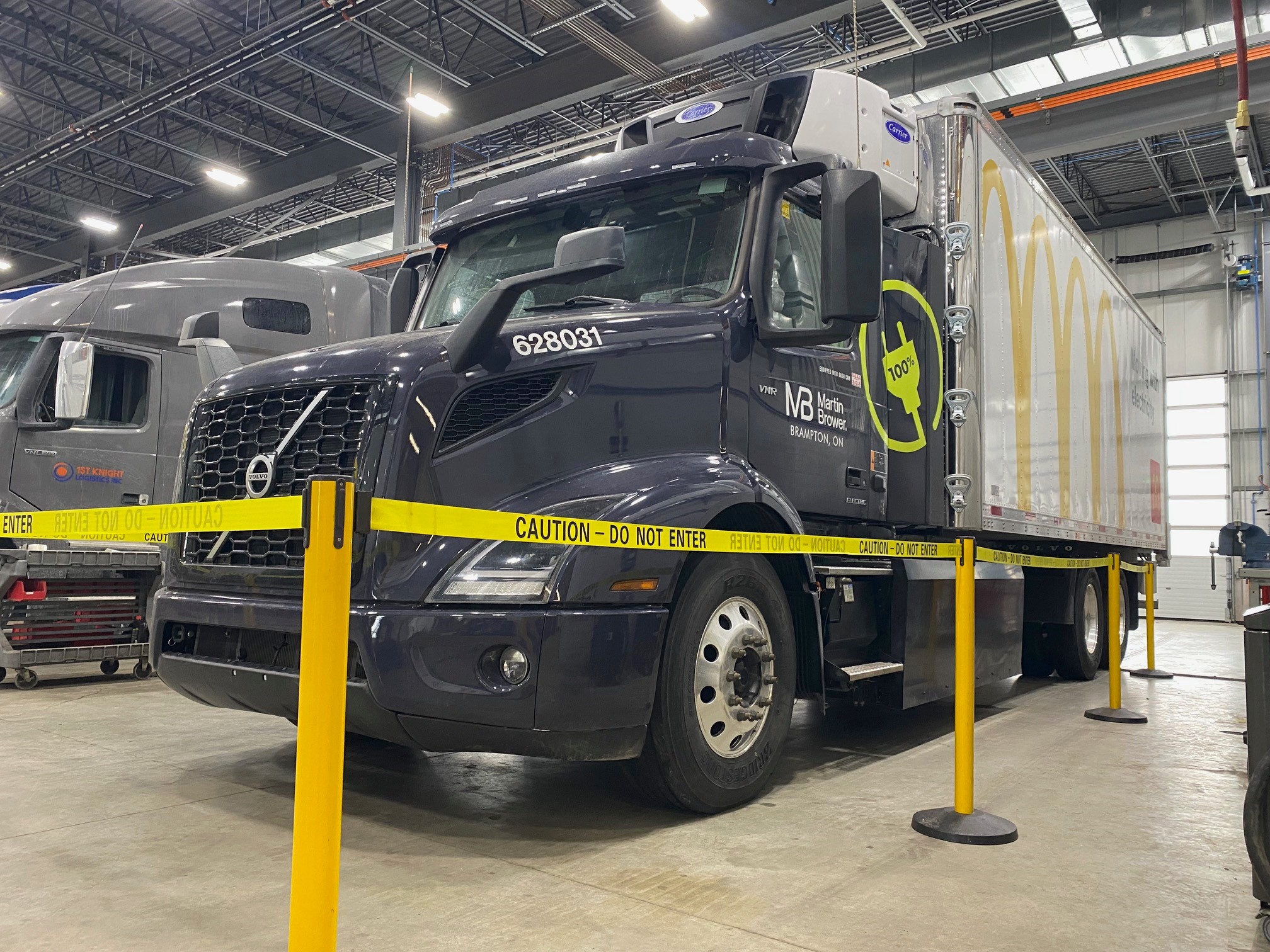
The study also revealed important findings related to downtime. Electric trucks generally required fewer routine service interventions, but when problems occurred, downtime stretched longer than comparable diesel repairs.
“The electric trucks didn’t necessarily break down more often than diesel trucks, but when they did, they were out of service longer,” Tanguay-Laflèche said.
Much of that gap reflects the industry’s early adoption phase.
“When our monitoring began in late 2023, fleets and dealers were still early in the learning curve for Class 8 electric trucks, so some additional troubleshooting was expected,” he added, noting service readiness improved as fleets gained experience.
The study suggests OEM service networks and technician training will be vital to ensuring electric trucks achieve uptime comparable to diesel equipment.
Drivers are already convinced
One area showing little ambiguity was driver acceptance. Operators consistently preferred electric trucks, citing smoother acceleration, reduced noise and lower fatigue levels.
“Drivers generally prefer the electric trucks,” Tanguay-Laflèche said. “The adaptation period is relatively brief, and reduced noise, vibration and overall comfort contribute to a more favorable working environment.”
Drivers also reported unexpected public interest while operating the vehicles.
“They told us they were often approached by members of the public asking about the trucks while waiting at docks — something that doesn’t usually happen in diesel operations,” he added. While electric trucks alone won’t resolve future labor shortages, improved working conditions may become an underappreciated adoption driver, particularly in urban and regional operations, PIT Group found.
Caution prevails
Ironically, one of the most revealing findings is how cautiously fleets used the electric trucks. Vehicles typically operated between 150 and 200 kilometres (93-124 miles) per day — roughly half their advertised range.
This was largely a matter of operational choice rather than technical limitation, as dispatchers prioritized certainty while gaining familiarity with the technology.
As experience grows, utilization rates are expected to increase, improving economic performance without hardware changes — suggesting early deployments may understate the long-term potential of BEVs. The complete study can be accessed here.
Have your say
This is a moderated forum. Comments will no longer be published unless they are accompanied by a first and last name and a verifiable email address. (Today's Trucking will not publish or share the email address.) Profane language and content deemed to be libelous, racist, or threatening in nature will not be published under any circumstances.
The Hype continues. Anything new is always nice. Great for localize delivery. Big companies can carry the risk right now, but the little guy, this is out his/her range of affordability. Look at the purchase price. Government subsidies will not be affordable. You will be paying full price. I laugh at the residual chart. The risk of buying a used electric being reliable for milage range is very risky. Accidents?
Insurance? Lets tell the whole story.
A well conducted study it shows that for in city delivery and for shunt trucks it can be a very good idea
We need to limit gov assistance to 50% of the cost of charging units and 50% of the cost of 20 amp plugs for trucks being parked overnight and at delivery and pickup points i would say that no company should get over $300 000 per year in gov assistance to cover half the cost batteries and charging systems
Electricity is not as eco-friendly as advertised, the media should tell what is the real environmental cost of electrifying vehicles …just one open mine with 19, 250 tons trucks, needs 10 full tankers of fuel per day…all that for a couple of grams per day of needed minerals for batteries…

Not to worry. Tesla is about to mass produce their 800 km electric trucks complete with a reliable charging network. Then the end of diesel will come.