Canadian-German research targets water buildup challenge in hydrogen fuel cells

Researchers in Canada and Germany say designing hydrogen fuel cells with gravity in mind could help address one of the technology’s key performance challenges, a finding that could influence future zero-emission powertrains for heavy-duty trucking.
Hydrogen fuel cells are widely viewed as a potential alternative to battery-electric systems for long-haul applications because they offer high energy density, quick refueling times and lighter weight compared to large battery packs. The devices generate electricity through an electrochemical reaction combining hydrogen and oxygen.
But one persistent issue is the buildup of liquid water inside the cells, a byproduct of the reaction, which can block hydrogen and oxygen from reaching reaction sites and reduce performance.
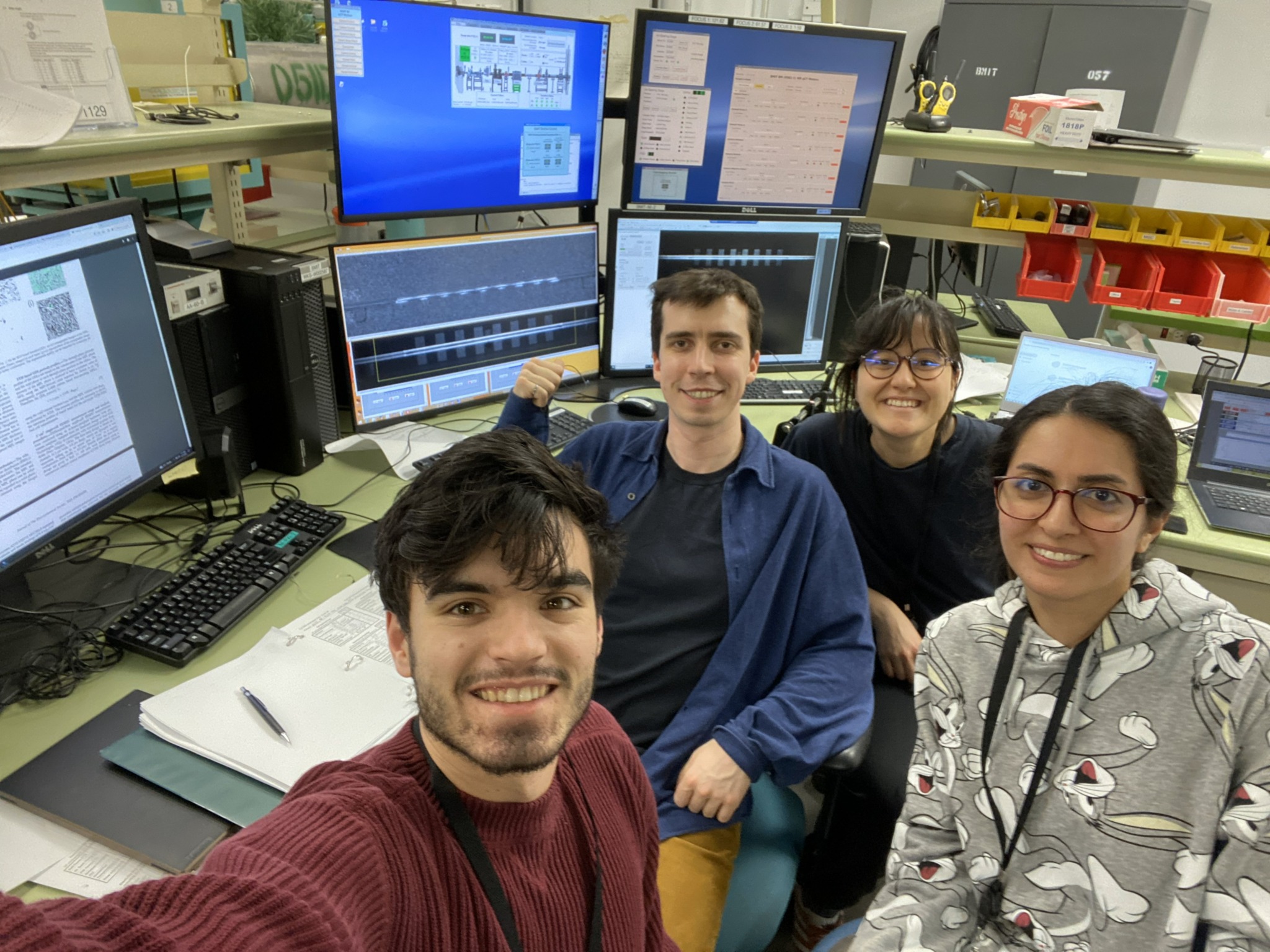
“The issue is that fuel cells produce liquid water as a by-product of their operation,” said Eric Chadwick, a researcher with the University of Toronto and the Baden-Württemberg Cooperative State University in Germany, and lead author of the study. “It starts to impede the reactant gases from reaching the reactant sites in the fuel cell.”
Chadwick’s team used the Canadian Light Source (CLS) at the University of Saskatchewan to observe operating fuel cells using X-ray radiographic imaging. The technique allowed researchers to distinguish between water, air and solid components inside the cell and visualize how liquid water moves during operation.
Leveraging gravity
According to the researchers, larger fuel cells, such as those required for trucks, are especially vulnerable to water accumulation, which can eventually prevent the system from functioning.
The study found that fuel cell performance improved when designs leveraged gravity to help remove liquid water from the system. Researchers say understanding how gravity affects water movement could inform the layout and orientation of future fuel cell stacks.
“The CLS gave us the hard X-rays that we need to distinguish between water, air and our solid parts of the fuel cell,” Chadwick said. “It gives good enough contrast between the water and the other components so you can see what is happening in the cell.”
The findings lay groundwork for further research into larger, higher-powered hydrogen fuel cells as industries explore lower-emission technologies for transportation and other energy-intensive sectors.

Have your say
This is a moderated forum. Comments will no longer be published unless they are accompanied by a first and last name and a verifiable email address. (Today's Trucking will not publish or share the email address.) Profane language and content deemed to be libelous, racist, or threatening in nature will not be published under any circumstances.