Quarterhill, WSDOT unveil truck parking information system on I-5

Quarterhill, provider of intelligent transportation system services, and Washington State Department of Transportation (WSDOT) have deployed a new truck parking information management system designed to help truck drivers quickly locate available parking at rest areas along Interstate 5.
The $2.3 million safety-focused initiative addresses one of the freight industry’s most pressing challenges: secure and reliable truck parking. By improving visibility into available spaces, the technology helps reduce fatigue-related risks and supports safer, more efficient freight movement across Washington state, according to a news release.
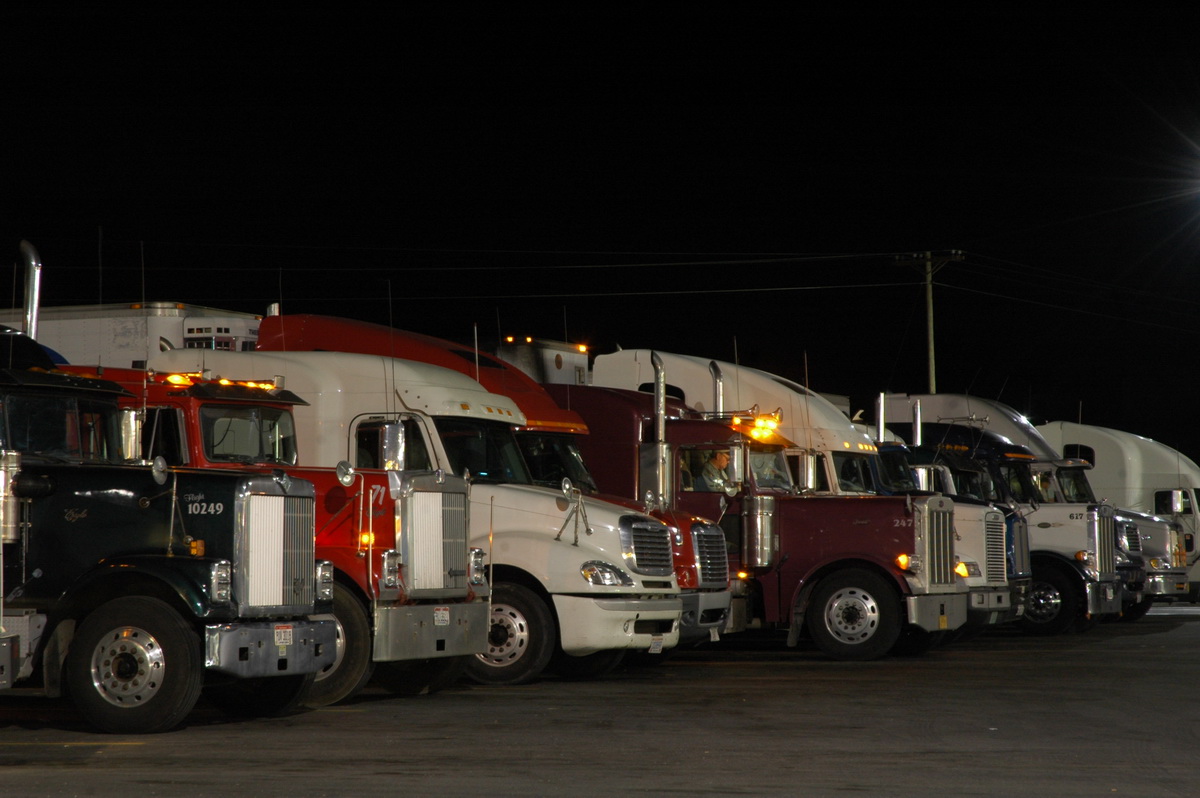
The initial deployment spans the I-5 corridor from Vancouver, Wash., to the Canadian border, with WSDOT planning future expansions along other major freight routes statewide.
Under WSDOT’s statewide contract, Quarterhill has served as a full-service delivery partner, providing engineering expertise, project management, and field resources, while coordinating subcontractors and expediting equipment procurement.
Real-time availability
The system integrates WSDOT’s selected technology and data developed in partnership with university researchers to provide real-time parking availability updates. Information is shared through dynamic signage, mobile platforms, and WSDOT’s traveler information systems, giving truck drivers greater visibility and helping optimize use of limited parking spaces along the I-5 freight corridor. Truck drivers can also access real-time parking data through WSDOT’s Parker Truck app and accompanying online landing pages to track the growth of the system.
“This project is a prime example of how public agencies and private partners can work together to improve highway safety,” Matt Neeley, state traffic systems development engineer for WSDOT, said in the release.
Quarterhill CEO Chuck Myers added, “By helping truck drivers plan ahead and find safe places to rest, the project directly improves roadway safety, reduces fatigue-related risks, and helps keep freight moving efficiently across Washington’s most vital corridor.”

Have your say
This is a moderated forum. Comments will no longer be published unless they are accompanied by a first and last name and a verifiable email address. (Today's Trucking will not publish or share the email address.) Profane language and content deemed to be libelous, racist, or threatening in nature will not be published under any circumstances.