Cargo thieves maintain focus on high-value shipments

Cargo theft experts predict high-value technology will remain at the top of criminals’ wish lists in 2026.
“Criminal enterprises are becoming more selective and sophisticated, targeting extremely high-value shipments rather than relying on opportunistic theft,” said Keith Lewis, vice president of operations at Verisk CargoNet.
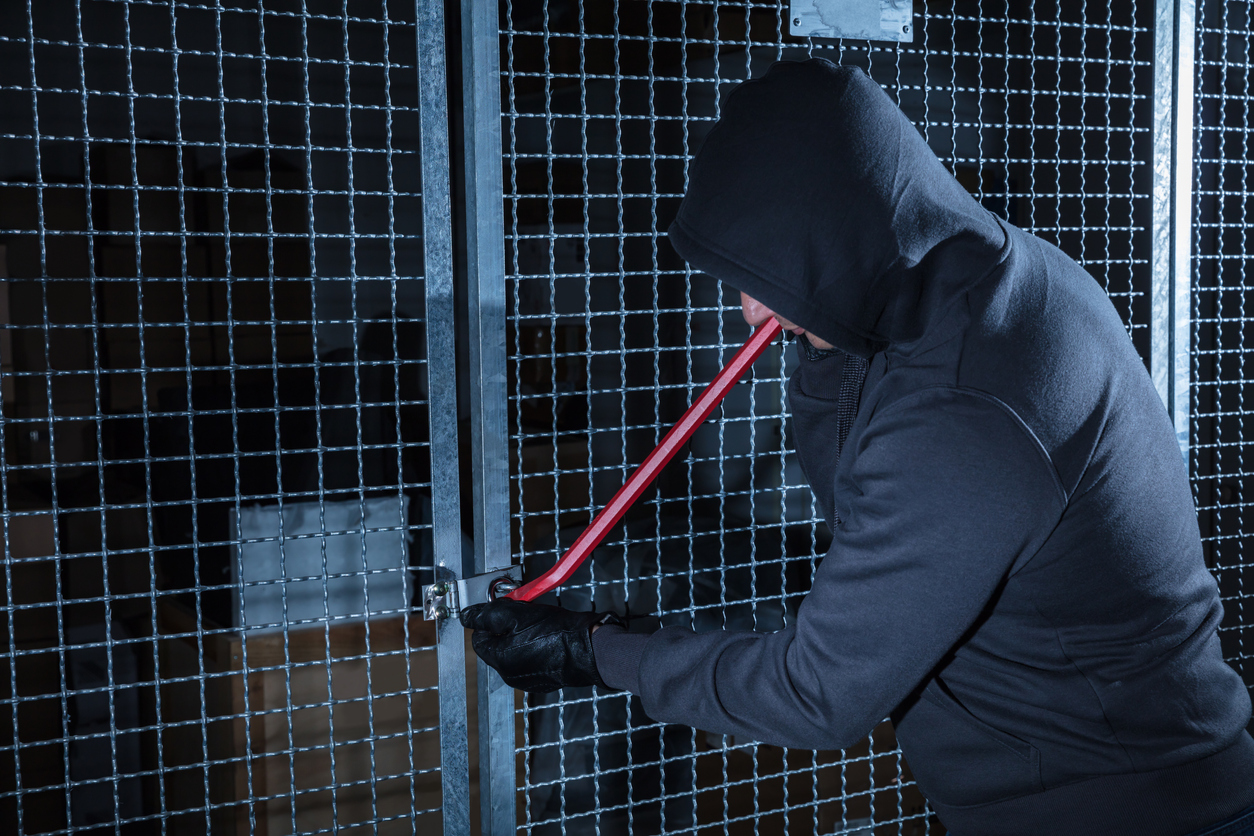
Verisk CargoNet estimated losses from supply chain crime incidents in the United States and Canada surged to nearly $725 million in 2025, a 60% percent increase from 2024.
A total of 3,594 supply chain crime events were reported last year, essentially unchanged from the 3,607 events reported in 2024. However, incidents involving confirmed cargo theft rose sharply, increasing 18% to 2,646 from 2,243.
California had the highest number of reported incidents, but activity shifted away from Los Angeles County and toward historically lower-risk regions such as Kern County and San Joaquin County. New Jersey, Indiana, and Pennsylvania were among the states that saw significant increases in incidents.
Verisk CargoNet said criminals are increasingly targeting enterprise computer components and cryptocurrency mining hardware. In addition, engines and components bound for domestic vehicle assembly plants remain popular targets.
“This strategic shift explains how losses can rise 60% even as overall incident volume holds steady,” said Lewis.
CargoNet’s also reported that food and beverage products experienced the largest increase in 2025, with 708 thefts, a 47% jump from 2024. In addition, metal theft rose 77%, driven by ongoing demand for copper products.
Ben Wilkens, cybersecurity principal engineer for NMFTA, said that while cargo theft remains a physical crime, it is increasingly facilitated through more sophisticated means. “Cargo criminals have figured out that the best way into an organization is through cyberattacks — through social engineering,” Wilkens said on a Jan. 22 webinar.
He said the stolen goods are the end result of data crimes, such as stolen identities, compromised emails, and backdoor access to systems that provide visibility into freight shipments. As a result, the physical act is often carried out by an unwitting third party who does not realize they’re moving a stolen load because information is being changed remotely.
Looking ahead to the coming year, CargoNet said theft by deception is expected to grow as groups increase their focus on misdirecting shipments tendered to legitimate carriers.
In response to the growing threats, states are adopting advanced technologies to keep pace, according to BSI Consulting. For example, law enforcement officers are using helicopters and drones equipped with cameras and advanced mapping systems to assist them during operations targeting freight rail thieves in the Chicago area.
BSI said there has been a steep rise in railroad thefts across the United States, and that organized groups based in Mexico are engaging in particularly complex operations in Arizona. In addition, the Port of Miami-Dade continues to be a hub for organized crime targeting the supply chain, funneling billions of dollars of cargo stolen throughout the Southeast through the port en route to black markets abroad, BSI said.

Have your say
This is a moderated forum. Comments will no longer be published unless they are accompanied by a first and last name and a verifiable email address. (Today's Trucking will not publish or share the email address.) Profane language and content deemed to be libelous, racist, or threatening in nature will not be published under any circumstances.