Fleets see signs of improvement after difficult Q4

Publicly traded trucking fleets posted another quarter of mostly disappointing results, as a sustained freight upturn remains elusive. In fourth-quarter earnings reports and on conference calls, U.S. fleets said they were still closely controlling costs and hoping to see more signs of improvement as the year progresses.
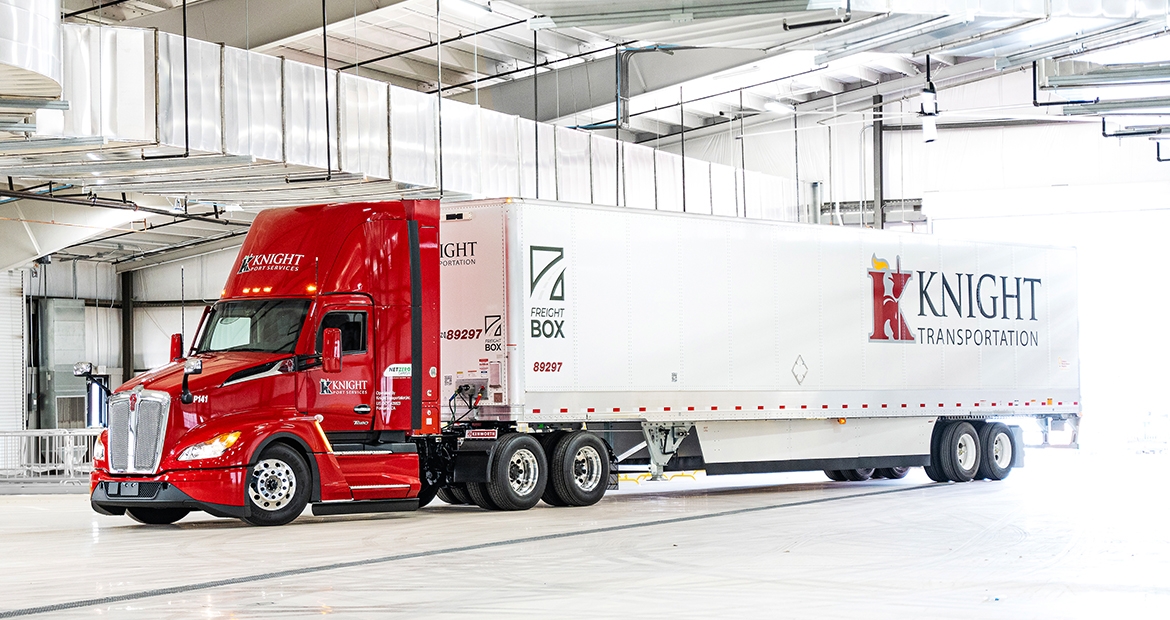
Truckload volumes were lower than expected in the fourth quarter, and a reduction in truck capacity was the main factor in a tightening market, said Adam Miller, CEO of Knight-Swift Transportation Holdings. The carrier’s truckload revenue in the fourth quarter fell 2.4% to $1.07 billion from a year earlier.
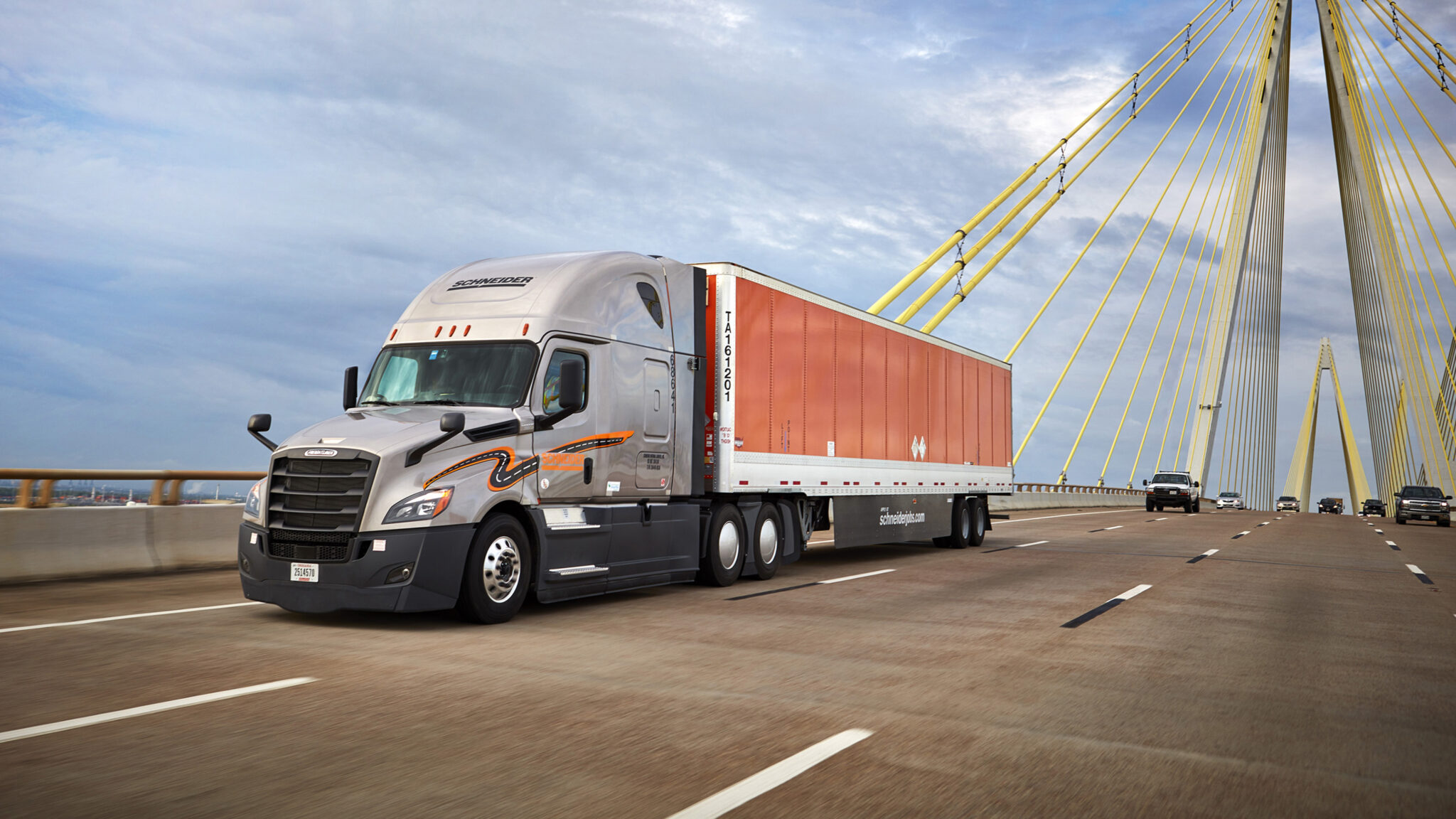
Schneider National Chief Financial Officer Darrell Campbell said demand turned sluggish in November after a decent start to the fourth quarter. That resulted in a significant freight shortfall relative to expectations, further exacerbated by poor weather in the Midwest.
CEO Mark Rourke said the fourth-quarter results “fell short of our expectations.” Schneider posted net income of $22.1 million, or 13 cents a diluted share, down from $32.6 million, or 18 cents.
J.B. Hunt Transport Services reported net income that surpassed analysts’ expectations, but executives said it was a more challenging quarter than expected, due in part to poor weather and a truncated peak season.
Reduction of truck capacity continues
On Schneider’s earnings conference call, Rourke summed up the sentiment of most fleets: “We believe we’re in the early innings of normalizing market conditions, in part due to the various regulatory actions being taken.”
He said the impact of the federal government’s stricter enforcement of truck driver licensing qualifications, improper training schools, and hours-of-service abuses “is likely to be greater than what we saw from the electronic logging mandate in 2017.”
Knight-Swift’s Miller said these efforts are “leading to a healthier market where carriers can recover cost inflation and restore margins.”
Jim Filter, Schneider’s group president of transportation and logistics, noted several different ways the crackdown is being felt. He said some planned buyers of used tractors have canceled purchases because their driver pool has shrunk.
Schneider is also seeing “a sharp contraction in our brokerage carrier count, particularly in regions where non-domicile exposure was outsized, like California,” said Filter, who will become Schneider’s president and CEO later this year.
Glimmers of Hope
Covenant Logistics Group reported a fourth-quarter net loss, but CFO James Grant said revenue during the first three weeks of January had improved from a year earlier across all units. Covanent was also seeing an increase in bid activity with shippers seeking to secure contract capacity.
Werner Enterprises also reported a quarterly loss, but CEO Derek Leathers also spoke of encouraging signs that could help ease “this prolonged and unprecedented multiyear downturn.”
Landstar System’s net income and revenue dipped in the fourth quarter but CFO James Todd noted “a possible inflection point.” Landstar’s revenue per mile on van equipment hauled by its owner-operators increased 3% in December from November, slightly above pre-pandemic trends.
In the less-than-truckload space, Old Dominion Freight Line’s CFO Adam Satterfield said noted a positive trend in the key weight-per-shipment indicator. After falling to about 1,450 pounds in October, it rose to 1,489 pounds in November and 1,520 pounds in December, about a 2% increase.
The 10-year average is about a 1% increase from November to December. It has left Old Dominion wondering if it was “finally seeing the turn that we’ve been predicting for the last couple of years take shape,” Satterfield said.
However, it may still be a little while, as revenue per day was down in January, compared with January 2025. Likewise, Knight-Swift’s Miller pointed out that many struggling carriers are running on empty in the truckload market.
Yet there are factors beyond just reduced truck capacity that have fleets thinking 2026 could turn more positive. They include the expectation of lower interest rates, higher tax refunds, and additional business investment out of last year’s so-called Big Beautiful Bill.
“We are at the beginning stages of the trucking industry getting back to where it needs to be,” said David Parker, Covenant’s chairman and CEO.

Have your say
This is a moderated forum. Comments will no longer be published unless they are accompanied by a first and last name and a verifiable email address. (Today's Trucking will not publish or share the email address.) Profane language and content deemed to be libelous, racist, or threatening in nature will not be published under any circumstances.