Fort Lee, N.J. interchange tops list of worst freight bottlenecks in U.S.

The interchange of Interstate 95 and State Route 4 in Fort Lee, New Jersey, once again topped the list of the American Transportation Research Institute’s (ATRI) annual ranking of the most congested truck bottlenecks in the U.S.
The list is based on 2024 freight truck GPS data and measures congestion at more than 325 locations on the national highway system, ATRI said in a news release. The organization found that average rush hour truck speeds at these locations were 34.2 mph in 2024, a 3% drop from the previous year. Among the top 10 bottlenecks, average speeds were even lower, at just 29.7 mph.

For the seventh year in a row, Fort Lee in N.J. remains the most congested freight corridor, followed by:
- Chicago: I-294 at I-290/I-88
- Houston: I-45 at I-69/US 59
- Atlanta: I-285 at I-85 (North)
- Nashville: I-24/I-40 at I-440 (East)
- Atlanta: I-75 at I-285 (North)
- Los Angeles: SR 60 at SR 57
- Cincinnati: I-71 at I-75
- Houston: I-10 at I-45
- Atlanta: I-20 at I-285 (West)
ATRI’s analysis also highlighted the impact of infrastructure investment. Chicago’s Jane Byrne Interchange, which previously topped the list for three years, has fallen out of the top 10 after a major reconstruction project improved rush hour truck speeds by nearly 25%.
“Delays inflicted on truckers by congestion are the equivalent of 436,000 drivers sitting idle for an entire year. These metrics are getting worse, but the good news is that states do not need to accept the status quo,” said said ATRI’s president and chief operating officer Rebecca Brewster, referring to Chicago’s success, further saying that this data gives policymakers a road map to reduce chokepoints, lower emissions, and drive economic growth.
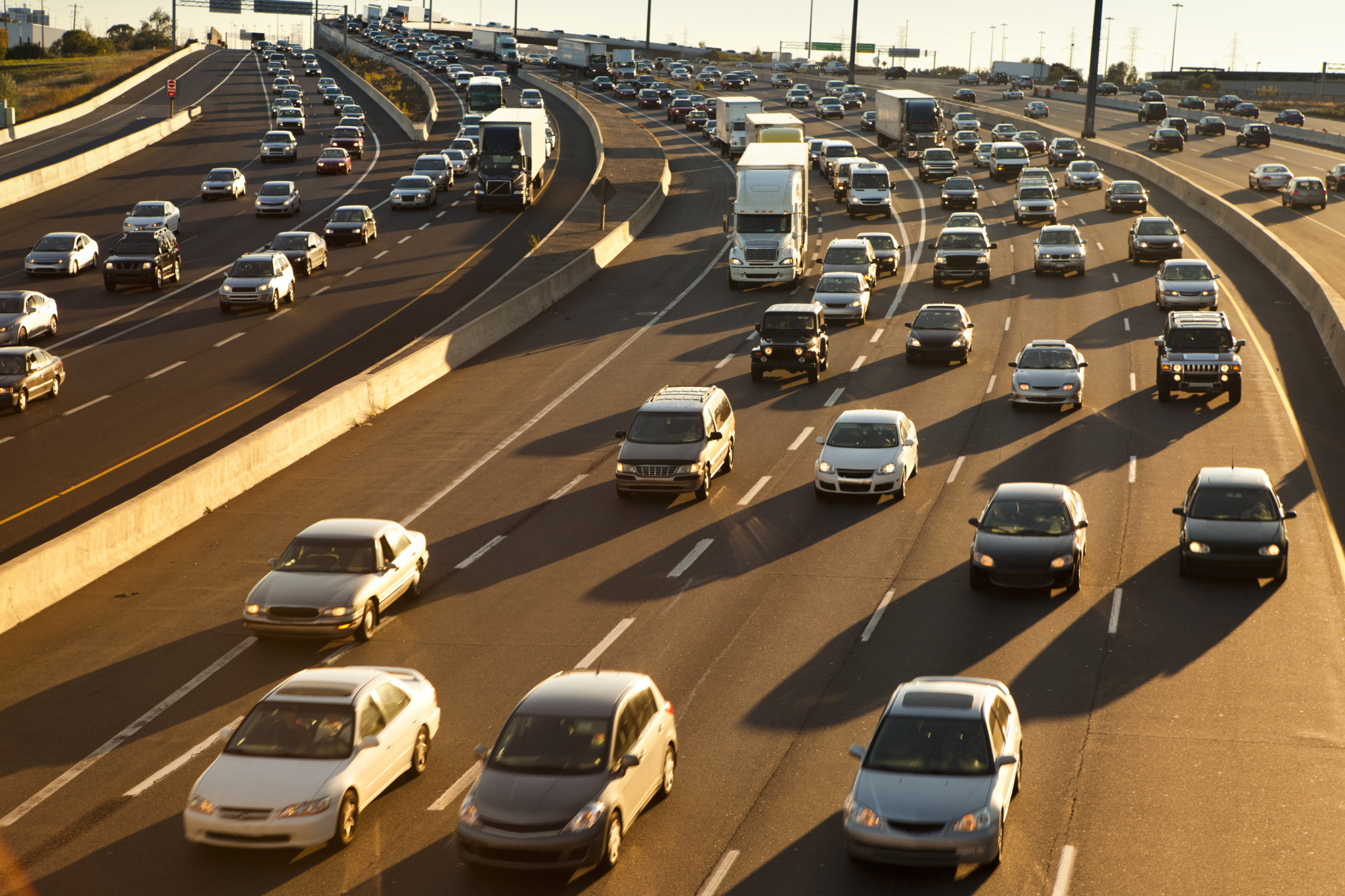
In addition to squandering time and money, these delays waste fuel – with trucks burning an estimated 6.4 billion gallons of diesel fuel and producing more than 65 million metric tons of additional carbon emissions while stuck in traffic jams.
“As the Trump Administration and new Congress kick off the process of reauthorizing the federal highway bill, this report provides a precise blueprint on where to begin,” added American Trucking Associations president and CEO Chris Spear.
“These traffic bottlenecks not only choke our supply chains, adding $109 billion annually to the cost of transporting the everyday goods that Americans depend on, but they also impact the quality of life for all motorists…Targeted investments to reduce this traffic congestion are exactly the kinds of projects, with a measurable return on investment, that taxpayers come to expect of their elected officials.”

Have your say
This is a moderated forum. Comments will no longer be published unless they are accompanied by a first and last name and a verifiable email address. (Today's Trucking will not publish or share the email address.) Profane language and content deemed to be libelous, racist, or threatening in nature will not be published under any circumstances.