Georgia suspends fuel taxes; report downplays impact of decision

Georgia is the first U.S. state to suspend its fuel taxes in response to price spikes at the pump due to the war with Iran.
Gov. Brian Kemp (R) last week signed into law a 60-day suspension of the state’s 37-cents-per-gallon tax on diesel and 33-cents-per-gallon tax on gasoline.
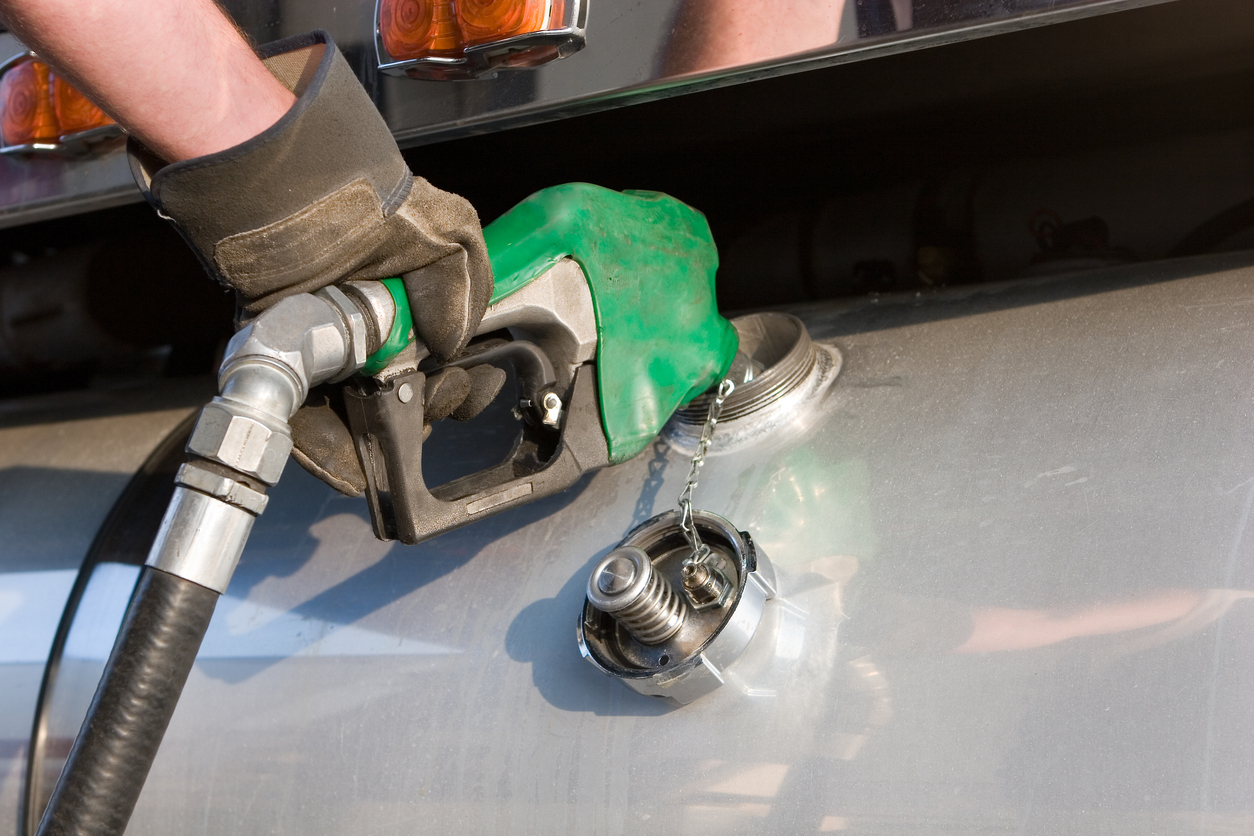
The U.S. Department of Energy said March 23 the national average price of diesel was $5.375 a gallon, up more than $1.80 from the same time a year ago. The average gasoline price was $3.961, up 84.6 cents from the same period in 2025.
Georgia’s law does not impact federal taxes of 24.4 cents on diesel and 18.4 cents on gasoline. These figures have not changed since 1993.
The state is estimated to lose up to $400 million in fuel tax revenue, which funds road and bridge maintenance. The state will use part of its surplus to make up the loss.
Following spikes in fuel prices after Russia’s invasion of Ukraine in 2022, several states suspended their fuel taxes. However, thus far, no other states have done the same since the war with Iran began.
Fuel tax holidays are ‘largely symbolic’
A new report from the Institute on Taxation and Economic Policy found the recent run-up in gasoline prices is on pace to cost U.S. drivers an extra $9.4 billion per month. The South has been hit hardest and is on pace to pay $4.2 billion more per month.
The group said gas tax holidays are “largely symbolic” and that these measures “put money in the pocket of the oil industry, give little to people struggling with rising prices, and reduce funding for infrastructure projects that directly benefit drivers.”
In Georgia, the gas tax pause “will cost $196 million per month and the bottom 60% of Georgia families will collect just 22% of the tax cuts — or $13 per family. Forty percent of the tax cut will flow to people who are not even residents of Georgia,” the Institute said.

Have your say
This is a moderated forum. Comments will no longer be published unless they are accompanied by a first and last name and a verifiable email address. (Today's Trucking will not publish or share the email address.) Profane language and content deemed to be libelous, racist, or threatening in nature will not be published under any circumstances.