How DTNA is evolving aftermarket offerings in response to tariffs, extended trade cycles and online shopping

“If you’re sourcing from high-tariff countries, I can’t overstate enough the importance of actively working to find nearshore and onshore opportunities.”
That was the message from Drew Backeberg, senior vice president of aftermarket, Daimler Truck North America (DTNA), when he addressed aftermarket professionals as the opening keynote speaker at Heavy-Duty Aftermarket Dialogue in Grapevine, Texas, Jan. 19.
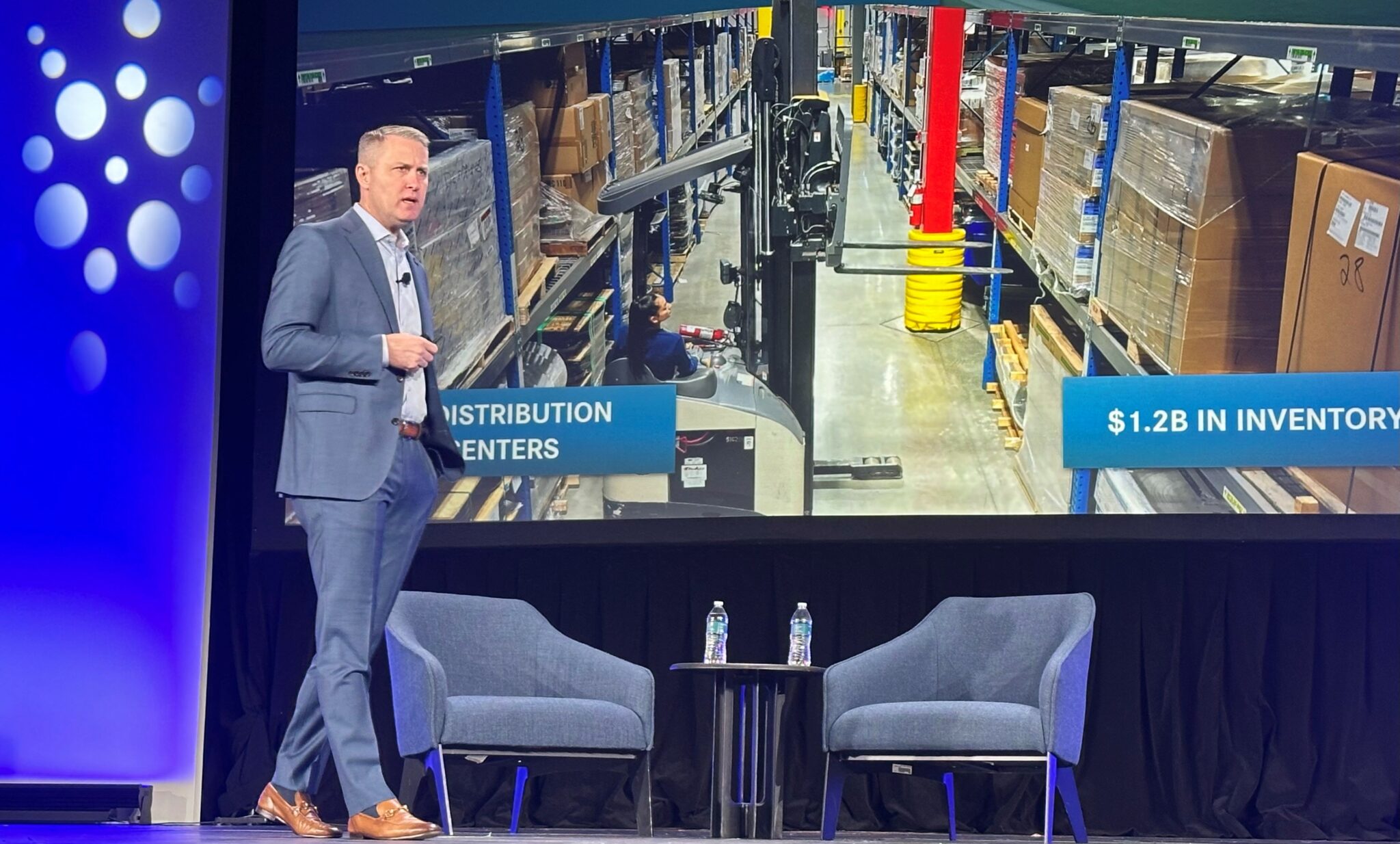
Backeberg said tariffs are impacting everyone in the heavy-duty aftermarket, but not in the same way. “Unlike other regulatory measures, tariffs don’t impact all OEMs and all suppliers equally,” he said. “They vary by product footprint, component, and, of course, by country of origin.”
Daimler Truck is working closely with suppliers to “understand the upstream impacts of these tariffs and doing everything we can as an OEM to responsibly pass these uncovered costs on to the market, while, of course, staying competitive in a very, very dynamic environment.”
Extended trade cycles
Another trend reshaping the heavy-duty aftermarket is the ongoing soft freight market, which has caused many carriers to extend trade cycles, downsize their fleets, or even defer maintenance. They are also looking for lower-cost value parts, rather than genuine OE aftermarket alternatives.
“Lately, we’ve seen a noticeable change in what our customers are looking for,” said Backeberg.
“They are scrutinizing every expense and we are seeing a shift in buying behavior from premium genuine parts to lower-cost value products. This transition occurred post-COVID during the supply chain crisis, where customers had to do whatever it took to keep their trucks on the road, including using parts from suppliers they may not have considered in the past. They found they were good enough for the needs of their operations. Fast-forward to today, and they are again trying to squeeze every penny, and these value parts become that much more attractive, especially to maintain older equipment that would’ve otherwise been traded in by now. We are adjusting to that reality.”
DTNA is carrying more than $1.2 billion in inventory across 12 distribution centers so it can meet customers’ evolving needs. It’s also increasing efforts to ship directly from suppliers to reduce transit time and cost.
E-commerce continues to grow
Despite ongoing challenges for the aftermarket, there continue to be opportunities for growth, including online parts sales. Daimler got into e-commerce five years ago and is now selling some $1 billion in parts online annually.
Following Amazon’s footsteps, it is now looking to bring more support services online, such as warranty options and financing – all through the website.
“In the near future, our platform will leverage our existing user base to promote cross-shopping for all the services we provide – not just parts,” he said.
Second-life warranty coverage
DTNA is also working to play a more active role in warranty coverage for the truck’s second and third owners, where traditionally customers would turn to third-party warranty providers.
“By expanding our second life warranty program targeting the used truck market, we have an opportunity to engage these customers, bring them back into our brand and our dealer network,” said Backeberg. “It strengthens loyalty and creates additional parts and service opportunities for our dealers and suppliers.”

Have your say
This is a moderated forum. Comments will no longer be published unless they are accompanied by a first and last name and a verifiable email address. (Today's Trucking will not publish or share the email address.) Profane language and content deemed to be libelous, racist, or threatening in nature will not be published under any circumstances.