Rail lockout to cause significant disruptions: PMTC, ports

Canadian supply chain and transportation industries are to face challenges as Canadian National Railway (CN) and Canadian Pacific Kansas City (CPKC) – which move over $380 billion worth of goods annually and account for half of the country’s exports – officially locked out employees represented by the Teamsters Canada Rail Conference (TCRC) Aug. 22 at 00:01 ET.
The Teamsters Canada Rail Conference is posting pictures to social media of workers from Halifax to Vancouver setting up picket lines.
Private Motor Truck Council of Canada (PMTC) warns of dire consequences the railways’ service suspension can have on Canada’s supply chain and trucking sector. The rail strike impact will be ‘horrific,’ said PMTC president Mike Millian in an email to TruckNews.com.
To replace one train, 200 to 300 trucks will be needed, but the current trucking network simply doesn’t have that kind of capacity. Should customers find those who’d be able to move the product, truckload rates are expected to increase by 200-300%, Millian said. He added that since many dangerous goods are moved by rail, they will need to be shifted to the road, which will lead to higher risk.

“One of our members reached out and indicated that they have invested heavily in their intermodal network in the last several years and that the rail shutdown will affect 65% of their revenue, which will be catastrophic, and in the near term is going to lead to having to park trucks and lay off workers,” Millian said.
“Many of our members rely on the rail network to move their products. Our members produce/supply such essential items as groceries, medical gases, blood, chemicals for drinking water, fuel, auto, and many more. These products will be affected and could lead to serious health and safety issues. The fact that we are in a situation where the citizens of our country are being held hostage by both of our major rail networks not operating at the same time is nothing short of ludicrous.”
Immediate impact on ports
Millian also said ports are going to be affected, with many ships being diverted to other ports out of a concern that their product will not be able to be moved, as most ports rely heavily on rail to move containers out of their port and across the country.
For example, the Port of Halifax says delays are anticipated as cargo is rerouted and managed for local delivery.
“The rail disruption, depending on the length, will have a significant impact on Port of Halifax operations,” Halifax port authority told TruckNews.com. “When the rail disruption ends, depending on its length, it may take up to several weeks for backlogs to be cleared and operations to return to normal.”
Ships that are currently en route to the port will be unloaded as planned, with local cargo delivered by trucks — a standard practice. However, cargo destined for other parts of North America will be temporarily stored at PSA Halifax’s Atlantic Hub and Fairview Cove container terminals.
The port has already seen declining cargo volumes this year due to uncertainty around rail operations, prompting some shippers to reroute cargo from Canadian ports. Rail serves approximately 60% of the containerized cargo at Halifax, with most imported and exported goods relying on rail for transportation across the continent.

Meanwhile, approximately 45% of goods passing through the Port of Montreal rely on rail services and are now subject to strike-related disruptions. In response, the Montreal Port Authority says it has increased truck capacity at its terminals and implemented a contingency plan to maintain operations, adding that the port managed to move all relevant goods before CN and CPKC rail operations were halted.
“The Montreal Port Authority has made every effort to allow more trucks to use its terminals. As of 00:01, no CN or CPKC trains are running at the port. Our truck and marine operations are continuing, and we are maintaining our contingency plan. We anticipate an increase in the number of trucks over the next few days,” the statement sent to TruckNews.com reads. “That said, it’s certain that some markets served from Montreal will face major challenges, notably Ontario and the Greater Toronto Area.”
However, port disruptions are only part of the broader impact on Canada’s industrial economy.
A recent survey by Canadian Manufacturers & Exporters (CME) underscores the severe financial impact of the rail stoppage. The survey found that, on average, manufacturers are bracing for a daily financial hit of $275,000 due to lost revenue and increased expenses. Meanwhile, 77% of respondents believe the strike is damaging Canada’s reputation with foreign investors, and 88% supported federal intervention to prevent labor disruptions at critical infrastructure sites like railways.
A year of negotiations
The rail lockouts are the culmination of nearly a year of contentious negotiations between the rail companies and the TCRC, representing locomotive engineers, conductors, and train and yard workers at CPKC, as well as rail traffic controllers at CN. Despite ongoing efforts to reach a deal, both companies have accused the TCRC of making demands that are not feasible, leading to a deadlock in negotiations.
“Throughout nearly a year of negotiations, CPKC has remained committed to doing its part to avoid this work stoppage. CPKC has bargained in good faith, but despite our best efforts, it is clear that a negotiated outcome with the TCRC is not within reach,” CPKC said in a statement on Aug. 22. “The TCRC leadership continues to make unrealistic demands that would fundamentally impair the railway’s ability to serve our customers with a reliable and cost-competitive transportation service.”
Similarly, CN added that it has also negotiated in good faith for the last nine months. “The company consistently proposed serious offers, with better pay, improved rest, and more predictable schedules,” the announcement reads. “The Teamsters have not shown any urgency or desire to reach a deal that is good for employees, the company and the economy. We urge the Teamsters to engage in these negotiations with the urgency and importance that this situation requires.”
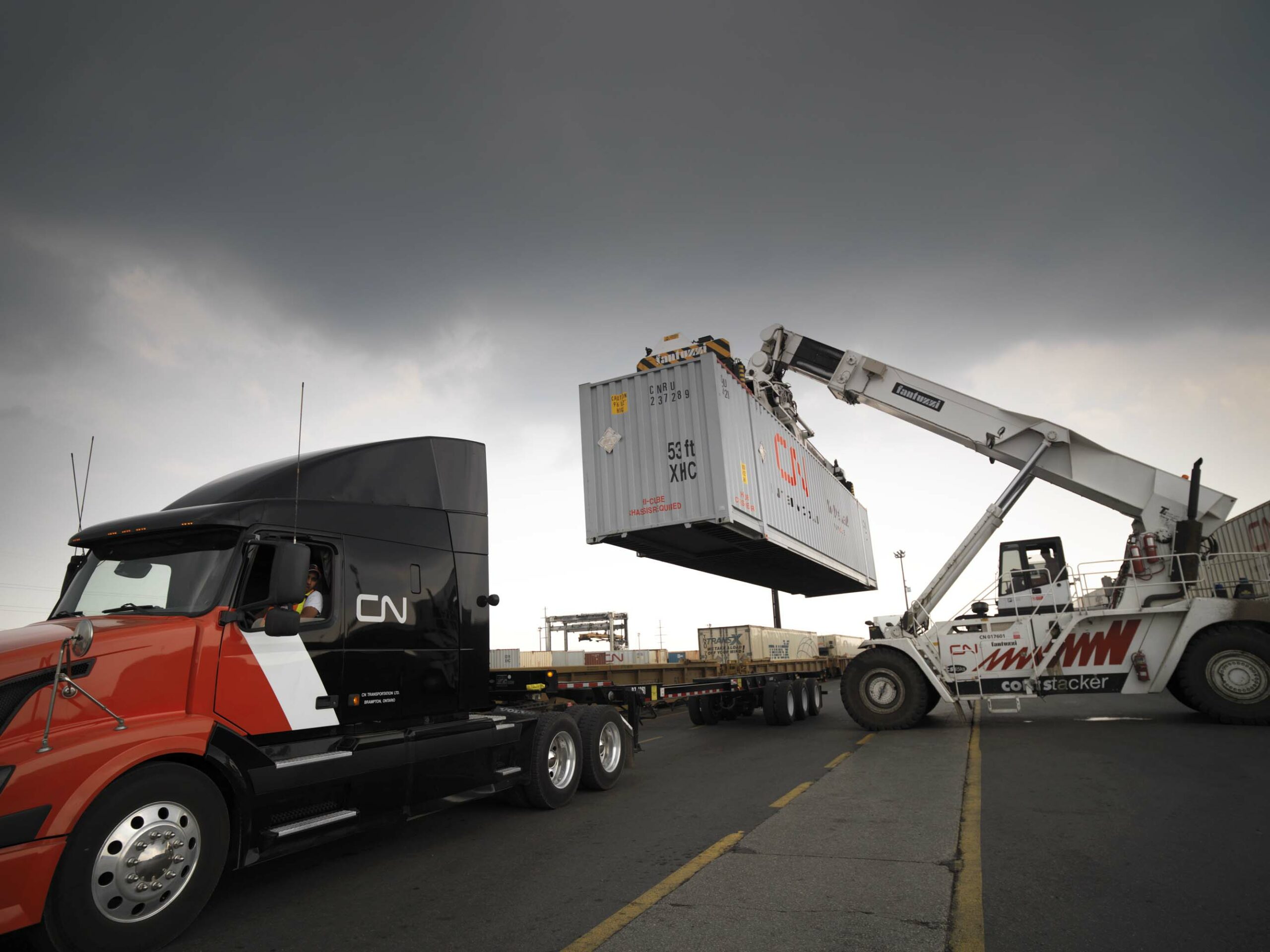
The 2024 negotiations between CN and the TCRC have seen several key proposals to improve worker conditions and modernize the existing agreement.
In January, CN offered a new deal focused on enhancing safety, wages, and work-life balance, but the TCRC rejected it. In April, CN upped the stakes with an offer that included higher wages—$75 per hour for locomotive engineers and $65 per hour for conductors—along with job security guarantees, but this, too, was turned down.
By May, CN simplified the proposal to focus on better wages and predictable days off, yet it was still refused. Finally, in June, with talks at a standstill, CN suggested binding arbitration to avoid further disruption to supply chains, but the TCRC declined this option.
The possibility of a strike was has become even more likely when earlier this month the Canadian Industrial Relations Board ruled that rail services were non-essential, setting the stage for the current work stoppage as of Aug. 22.
According to CN, conductors and locomotive engineers currently work approximately 160 days a year when factoring in Duty and Rest Period Rules (DRPR), paid sick days, personal leave days, and existing rest and vacation provisions. In 2023, the average conductor earned approximately $121,000, while the average locomotive engineer earned around $150,000, excluding pension and medical benefits.

Have your say
This is a moderated forum. Comments will no longer be published unless they are accompanied by a first and last name and a verifiable email address. (Today's Trucking will not publish or share the email address.) Profane language and content deemed to be libelous, racist, or threatening in nature will not be published under any circumstances.