Survey finds female truck drivers in US satisfied with work-life balance and pay, but concerned about safety

Female truck drivers report strong job satisfaction and work-life balance, but ongoing safety concerns continue to shape where and how they work, according to a new survey of 437 truck drivers in the United States.
Eighty-five percent of female truck drivers would recommend the profession to other women or younger generations, and 89% said they are satisfied with their work-life balance. At the same time, just 31% said they always feel safe sleeping in their truck at night, and 72% said safety concerns have caused them to turn down jobs or routes.
This is according to the survey conducted in December 2025 by Lance Surety Bonds. Of those respondents, 35% identified as women and 65% as men.
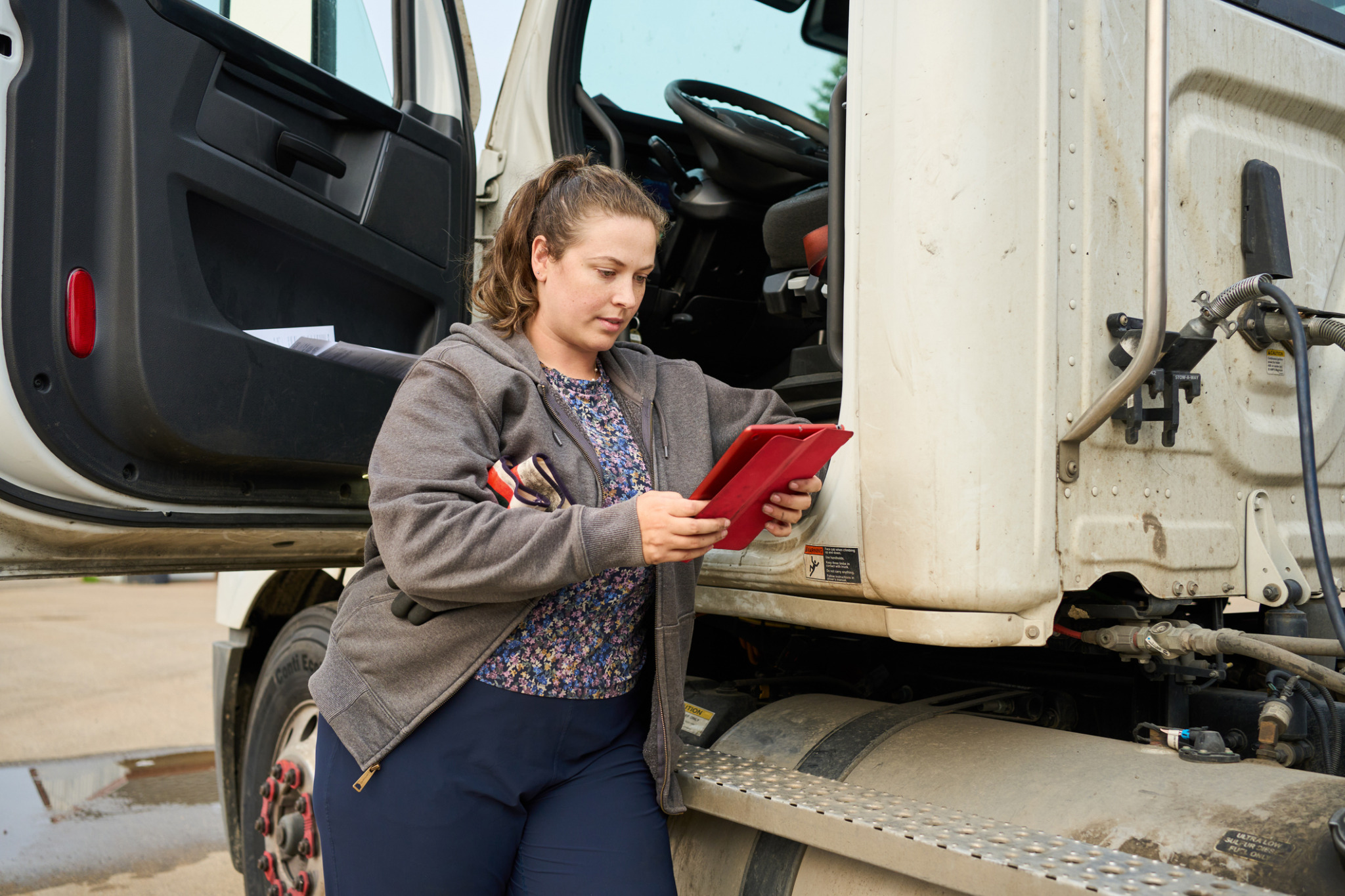
Overall, women participating in the study said they are satisfied with the career of a truck drivers and are two times less likely to regret their career choice than their male counterparts.
What motivates women joining the industry are higher income potential, a need for a fresh start or a career change, and schedule flexibility. While that criteria were citied by more than half of female respondents, other things drawing women to truck driving are desire for freedom and independence (46%), love of travel and adventure (31%), access to benefits like paid time off and health insurance (13%), as well as no requirements of previous experience (10%).
Pay equity, safety concerns
While driver pay across the industry can vary widely based on role, region, or employer, male drivers reported earning 20.5% more than female drivers, with an average annual salary reported at $72,787, while the number drops to $60,379 for women. Despite the disparity, 70% of women surveyed said they are paid fairly, and 20% feel underpaid.
But safety emerged as one of the biggest challenges.

Only 31% said they always feel safe sleeping in their truck at night, compared to 47% of male drivers. Most women (63%) said they feel safe at times, depending on location.
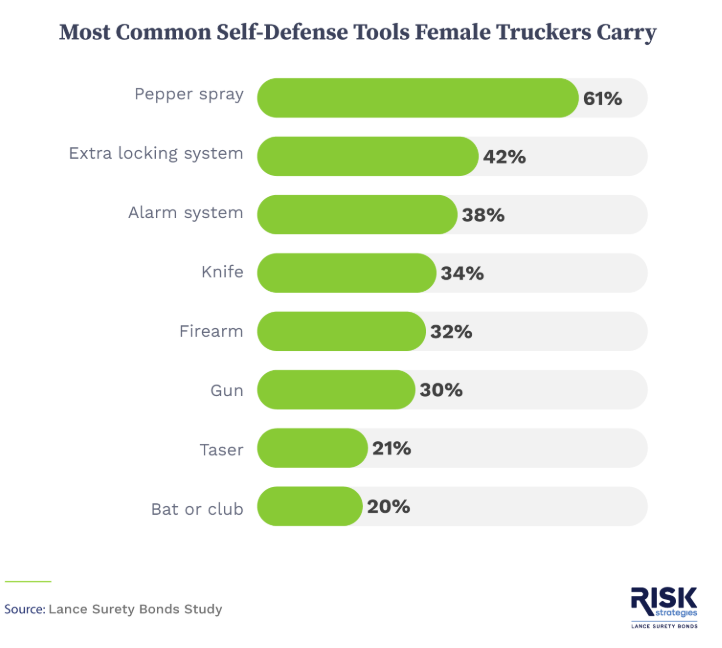
The survey also found that 30% of female drivers reported experiencing sexual harassment on the job, while 28% said they have faced gender discrimination and verbal harassment. Feeling unsafe at the job leads women in trucking to turn to self-defence tools, like carrying pepper spray, and in some cases, a knife or firearms.
When asked about respect on the road, 93% of women said they feel respected by other women in the industry, and 69% said they feel respected by male drivers. However, just 55% of female drivers said they feel respected by dispatchers.
Changes needed for a more inclusive industry
When asked what would improve the industry, women say the top changes they’d like to see include: increasing the number of women in leadership and decision-making roles (41%); implementing stronger policies against harassment and discrimination (36%); ensuring equal pay for equal work (35%); creating safer and more respectful work environments (32%); and providing mentorship and sponsorship programs for women (26%).
Among other initiatives, 51% of female truckers said enhanced rest stop safety measures would make the biggest difference, followed closely by the availability of women-only or gender-neutral bathrooms and showers (49%).
Respondents also pointed to the need for stronger workplace protections, with 39% calling for anonymous reporting channels for misconduct or bias and 33% wanting clearer and more consistently enforced anti-harassment and discrimination policies. And 30% said having female or minority mentors would help improve inclusion and support within the industry.
Social media
In the meantime, women take on the role of mentorship onto themselves, using social media as a tool to foster a community. The survey found that 88% use social media to find or share trucking-related content.
Among those who use social media, 85% said it helps them feel safer and better equipped to deal with job challenges, and 96% said it makes them feel less isolated while on the road.
TikTok in particular appears to be making a positive impact, the survey found. Among female truckers who use the platform, 3 in 4 said it has helped improve public perceptions of women in trucking.

Have your say
This is a moderated forum. Comments will no longer be published unless they are accompanied by a first and last name and a verifiable email address. (Today's Trucking will not publish or share the email address.) Profane language and content deemed to be libelous, racist, or threatening in nature will not be published under any circumstances.