Trump increasing the worldwide tariff to 15%

President Donald Trump’s erratic tariffs threats continued Feb. 21 with a pledge to increase his new worldwide tariff to 15%, a day after the Supreme Court quashed the U.S. president’s favored tariff tool.
“During the next short number of months, the Trump administration will determine and issue the new and legally permissible Tariffs, which will continue our extraordinarily successful process of Making America Great Again,” Trump said in a post on social media.
Trump signed an executive order Feb. 20 to enact a 10% worldwide tariff beginning on Feb. 24 using Section 122 of the 1974 Trade Act. That duty can only increase to 15% and it will expire after 150 days unless Congress votes to extend it.
The changing tariff threats are likely to have little impact on the Canadian economy but it will add to ongoing uncertainty ahead of a mandatory review of the Canada-U.S.-Mexico Agreement on trade, taking place this year.
A fact sheet from the White House said the latest tariff will not hit goods compliant under USMCA. The duty will also not be applied on top of sector-specific tariffs like steel, aluminum and automobiles that were not affected by the Supreme Court ruling.
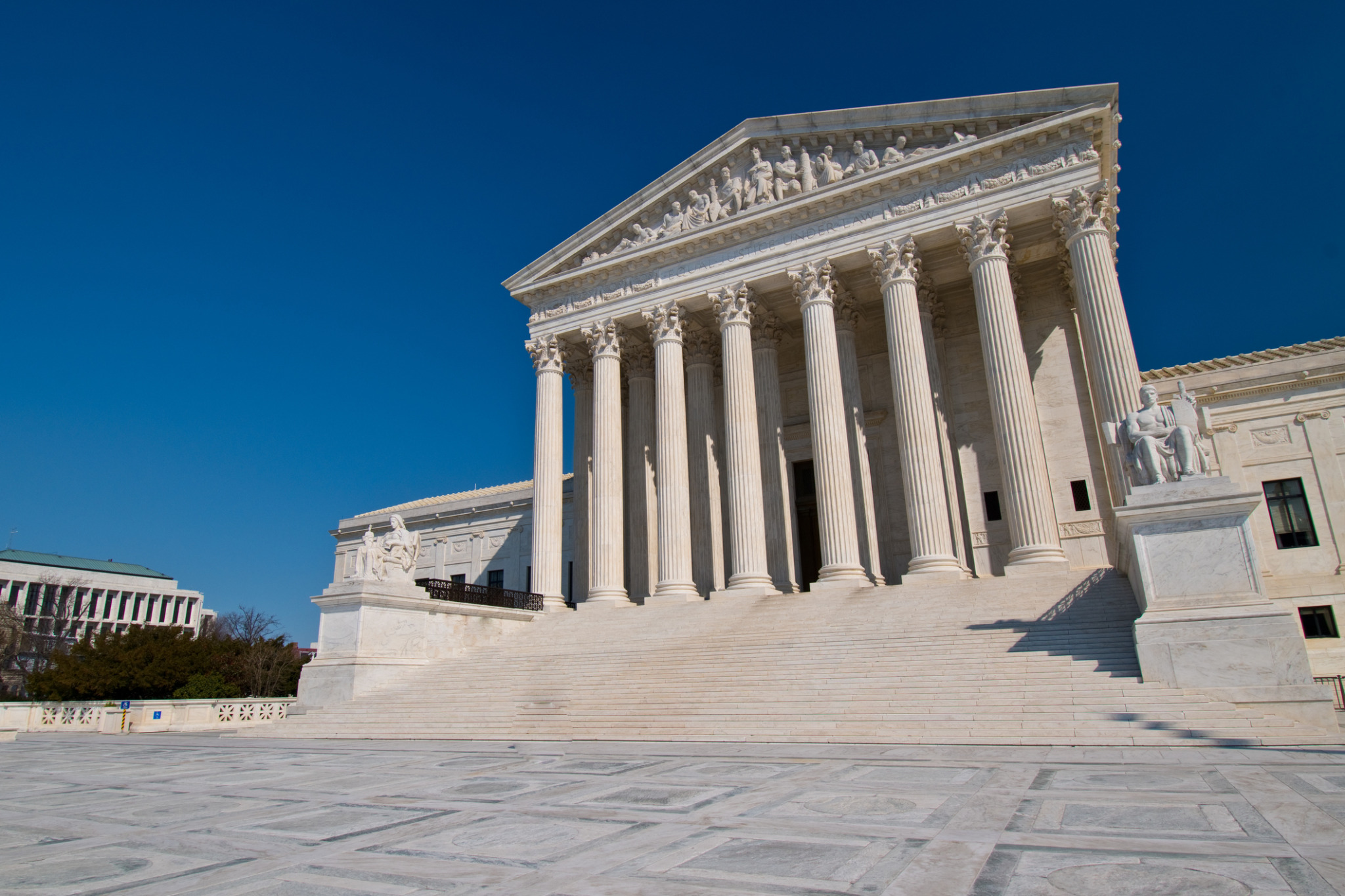
America’s top court on concluded it was not legal for Trump to use the International Emergency Economic Powers Act, better known as IEEPA, for his “Liberation Day” tariffs and fentanyl-related duties on Canada, Mexico and China.
Trump called it a “poorly written, and extraordinarily anti-American decision.”
The Supreme Court’s decision thwarted Trump’s ability to implement extremely high duties on any country at any time but it’s unlikely to stop his plans for realigning global trade through tariffs.
U.S. Trade Representative Jamieson Greer told “Fox News” on Friday that while the new worldwide tariff was in place, the Trump administration will begin investigations of countries under Section 301 of the Trade Act of 1974.
That allows a president to take trade actions if the investigation finds a trading partner’s policies are unreasonable and discriminatory, but it would take months and include a period for public comment.
– The Canadian Press contributed to this article.

Have your say
This is a moderated forum. Comments will no longer be published unless they are accompanied by a first and last name and a verifiable email address. (Today's Trucking will not publish or share the email address.) Profane language and content deemed to be libelous, racist, or threatening in nature will not be published under any circumstances.