The Private Fleet Creep: How to turn private trucking from threat to opportunity

Carriers have had more thrown at them in the last five years than most industries see in a generation. Covid-19 chaos. Driver Inc. Exploding insurance costs. Driver shortages. Rate pressure. Fleets have had to scratch and claw for every load just to stay alive.
But the tide seems to be turning.
Insolvencies are rising. Marginal operators are shutting down. Enforcement is tightening. Capacity is leaving the market. For the first time in a while, carriers can see light at the end of the tunnel.
Unfortunately, trucking has a habit of replacing one problem with another. And a new one is quietly creeping into the market.
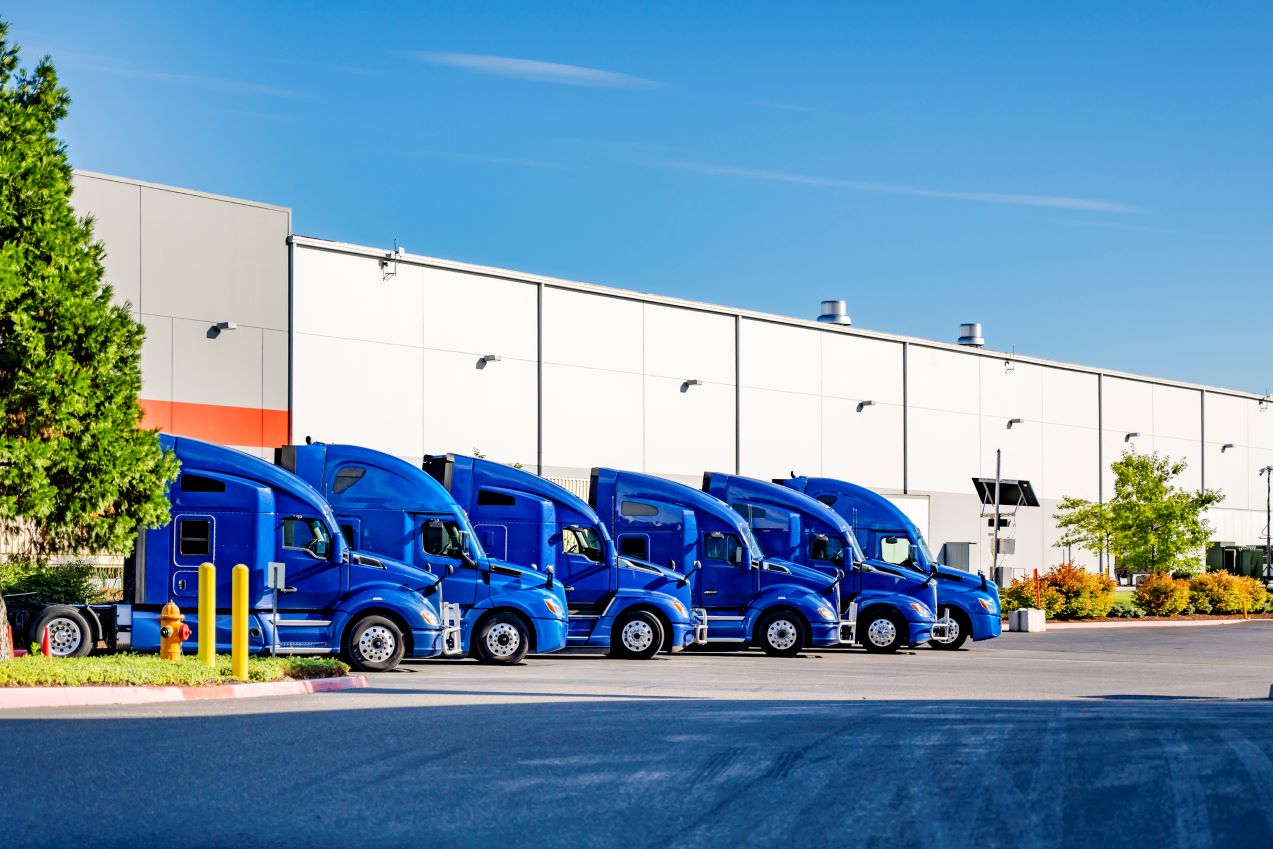
Private fleets. More shippers are deciding they’d rather run trucks themselves.
I first saw this playbook years ago, when we were building a dedicated division at MSM. We stumbled onto a simple tactic. We hired university students, handed them gas money, and sent them driving through industrial areas at night and on weekends, writing down the name of every private truck they saw parked in a yard.
Every parked truck was a lead.
The success rate for converting these operations back to for-hire was shockingly high. Most companies had no real idea what they were doing when it came to fleet operations.
Weak compliance. Limited safety oversight. Dispatch run by whoever had time.
In many cases, these private fleets were lawsuits on wheels. Yet their biggest obstacle had nothing to do with cost or risk. It was vanity.
Executives loved seeing their company logo rolling down the highway. They believed their own BS, thinking these rolling billboards were good for business.
Control feels good
It’s not much different today. For executives who have spent the last three years apologizing to customers for missed pickups and blown appointments, owning the trucks seems like the answer.
Technology has also lowered the barrier to running private fleets. Routing software, telematics, visibility platforms, and outsourced safety services make running trucks look easier than it once did.
It isn’t. But the feeling of control is driving decisions.
Cherry-picking season
Make no mistake, private fleets are a threat. They compete for the best freight. Once companies buy trucks, they naturally start hauling their most attractive loads: the dense, consistent lanes that are the most predictable and profitable.
Their trucks already move company products, so any extra backhaul capacity is an opportunity to cherry-pick profitable shipments that fit neatly into their network.
But now private fleets are hauling smaller shipments. A 600‑lb. skid on an otherwise empty trailer looks like free money. Multiply that across hundreds of trucks, and a lot of attractive freight is quietly disappearing from the traditional for-hire market.
Drivers notice
Private fleets have another advantage. Drivers.
Predictable schedules, steady pay and benefits, newer equipment, and getting home at night are powerful recruiting tools. Add a little outside freight to keep trucks productive, and those jobs become even more attractive.
Losing good freight is bad enough, but siphoning off good drivers at the same time is a serious problem.
Build a better offer
While private fleets may be threats today, they’re also future customers.
Because the truth is, a widget company makes money by making widgets, not by running trucks. Over time, insurance costs climb. Compliance requirements get heavier. Managing drivers is a unique and constant challenge. Equipment sits idle when freight patterns shift.
Carriers know these realities better than anyone. You can make the math work in ways that a chief financial officer (CFO) running a private fleet cannot.
For-hire carriers need to compete where private fleets are winning.
Shippers have real reasons to want control. But most of them will eventually discover that trucking is a lot harder than it looks.
Don’t wait for them to struggle. Show how you can match the schedule reliability, service levels, and visibility of a private fleet and the conversation changes. You’re no longer defending your price. You’re solving their problem.
Knock on those doors now. Offer dedicated solutions that deliver the same service without the headaches. Be in the room when the CFO starts asking hard questions. That’s where the opportunity lies.
Have your say
This is a moderated forum. Comments will no longer be published unless they are accompanied by a first and last name and a verifiable email address. (Today's Trucking will not publish or share the email address.) Profane language and content deemed to be libelous, racist, or threatening in nature will not be published under any circumstances.
This perspective feels a bit dated and doesn’t fully reflect the reality of today’s market.
The idea that private fleets are largely vanity-driven or poorly managed overlooks why so many companies have made the shift in the first place. In many cases, it wasn’t about wanting to run trucks, it was about needing to. After repeated service failures, lack of consistency, and growing concerns around safety and accountability in the for-hire space, control becomes less of a preference and more of a necessity.
Safety in particular is an area that can’t be ignored. A significant portion of the for-hire market is operating at a standard that many companies are simply no longer willing to accept as part of their supply chain. When you’re putting your brand on the side of a trailer, delivering into communities, job sites, and customer locations every day, the tolerance for risk changes. Private fleets allow companies to set, enforce, and continuously improve their own safety standards in a way that isn’t always possible when outsourcing.
The notion that these fleets are “lawsuits on wheels” is also a stretch in today’s environment. Many modern private fleets are built with strong compliance frameworks, advanced telematics, strict hiring standards, and real accountability. In fact, some of the safest fleets on the road today are private.
Running a fleet is absolutely complex, and not every company will do it well. But the same can be said for the for-hire side of the industry, where the range of quality and professionalism varies widely.
There will always be a role for strong, high-quality carriers who can truly match service expectations. But suggesting that most private fleets will eventually revert back underestimates how much the industry has evolved and why these decisions are being made in the first place.
Trucking today isn’t what it was 20 or 30 years ago. The bar is higher now, especially when it comes to safety, service, and accountability, and many companies are building private fleets because they’re not willing to compromise on those standards anymore.

This discussion comes and goes. This is a valid description of how these things happen. So many companies have gone to ,brokers, to move their freight – this frees up time and resources for a company – make 1 call and a truck will appear, best rates, best timing etc.
Running a ‘trucking’ arm presents a whole new kettle of fish. Financial outlay, admin that understands the trucking regulations and rules and added personnel and recruiting drivers. Recruiting drivers is a different task from recruiting shop or warehouse workers.
Some companies make it work. Others fail miserably and the company profits take a hit.
Currently likely the best ( worst) case scenario is that the enforcement of regulation is so sloppy that almost anyone can start a trucking company