Fastfrate Group expands into global freight forwarding, customs brokerage with Omnitrans acquisition

Fastfrate Group is moving beyond its traditional North American transportation roots with the acquisition of Montreal-based international freight forwarder and customs broker Omnitrans Inc., a deal executives say positions the company to manage freight movements from global origin to final delivery under a single network.
Toronto-based Fastfrate announced Feb. 25 it has entered into an agreement to acquire 100% of Omnitrans, including Metro Customs Brokers Inc. and Omnitrans China Ltd. Financial terms were not disclosed. The transaction is expected to close this spring, subject to regulatory approvals.
The acquisition marks a strategic step for one of Canada’s largest privately held transportation and logistics providers as customers increasingly seek simplified supply chains.
“This was 100% a strategy play,” Fastfrate Group CEO Manny Calandrino told trucknews.com in an interview. “Two years ago, we looked at all our services and realized we were missing customs brokerage and international freight forwarding. If we want to be a full supply chain solutions provider, we had to complete that offering.”
From port-to-door to door-to-door
Calandrino said evolving global sourcing patterns and trade volatility accelerated Fastfrate’s push into international logistics.
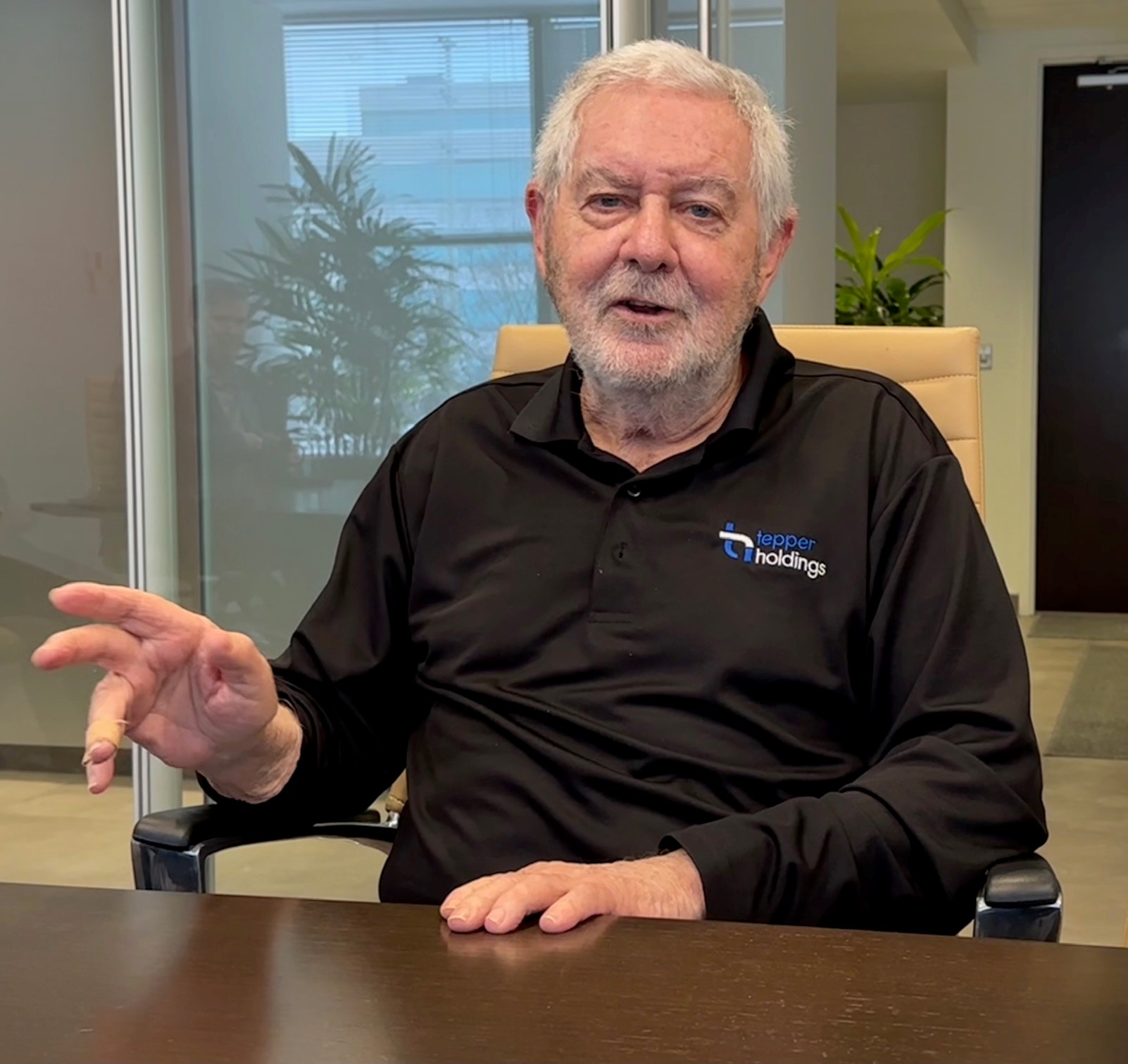
“With geopolitics changing and supply chains shifting between Asia, Europe and North America, customers want a partner they can speak to directly who can move freight door-to-door,” he said. “Instead of port to door, this becomes door to door.”
Fastfrate’s existing network spans 46 locations across Canada, the United States and Mexico, supported by intermodal, trucking, drayage, warehousing and growing final-mile delivery operations.
Omnitrans adds global freight forwarding capabilities across roughly 237 trade lanes supported by agents in more than 60 countries, along with a direct operating presence in China, something Fastfrate executives view as a key differentiator.
Executive Chairman Ron Tepper said many competitors rely heavily on third-party agents overseas, while Omnitrans manages origin services directly, including pickup, consolidation, warehousing and drayage before freight even reaches a vessel.
“They do at origin what we traditionally do at destination,” Tepper said. “Now we can manage shipments from start to finish — origin to destination — all inclusive.”
That integration allows Fastfrate to handle freight arriving from Asia through Canadian ports and move it seamlessly via rail, truck or warehouse distribution within its own network rather than handing off portions of the shipment to outside providers.
“In many cases today, customers get six or seven bills for one shipment,” Tepper said. “We can do it on one, and still break down every segment.”
‘Sticky’ business
A key component of the acquisition is customs brokerage.
“Customs is a sticky business,” Tepper said. “Once customers have a broker they trust, they don’t want to change. But when you combine brokerage with transportation and logistics, you can build a much stronger overall package.”
Fastfrate expects cross-selling opportunities in both directions. While not all of its domestic transportation customers require international forwarding, virtually every Omnitrans customer needs inland transportation, warehousing or distribution services once freight reaches North America.
“They were farming out a lot of what we already do,” Tepper said. “Now we can bring those services in-house.”
The companies began discussions roughly two years ago as Fastfrate evaluated gaps in its service portfolio. Negotiations ultimately took six months to complete.
Omnitrans will operate as a standalone division within Fastfrate Group, retaining its leadership team while integrating operationally with Fastfrate’s transportation and logistics businesses.
Technology and cost advantages
Tepper said technology integration will play a major role in extracting efficiencies from combined operations, particularly in shipment visibility and cost control.
“We’ll be able to show customers not just when freight arrives, but when it leaves origin and every step along the way,” he said. “Then we can transload, pick and pack, or deliver right to a store or even a residence.”
He also pointed to potential savings created by leveraging Fastfrate’s existing rail relationships. Rather than allowing steamship lines to control inland rail moves from ports such as Vancouver, Fastfrate could potentially assume that portion of the shipment itself.
“If we take control at the port, we can transload, optimize equipment and potentially reduce costs without hurting margins,” Tepper said.

Culture fit key to deal
Both executives emphasized cultural alignment as a decisive factor in selecting Omnitrans.
“We walked away from several opportunities because the culture just wasn’t going to fit,” Tepper said. “If the culture doesn’t work, the acquisition won’t work.”
Calandrino added Omnitrans has long maintained a strong reputation in the marketplace.
“I’ve known Omnitrans for many years,” he said. “They’ve always had an excellent brand and a well-respected name. That mattered to us.”
As Fasftrate integrates Omnitrans, Tepper said the goal is to reduce handoffs, improve accountability and capture more value across a freight’s journey.
“We think customers prefer dealing with fewer suppliers,” he said. “The proof will be in the pudding, but bringing international forwarding together with our North American infrastructure creates opportunities on both sides.”

Have your say
This is a moderated forum. Comments will no longer be published unless they are accompanied by a first and last name and a verifiable email address. (Today's Trucking will not publish or share the email address.) Profane language and content deemed to be libelous, racist, or threatening in nature will not be published under any circumstances.