Toyota to join cellcentric fuel-cell joint venture with Volvo, Daimler

Volvo Group, Daimler Truck AG, Toyota Motor Corporation and cellcentric have signed a non-binding agreement to expand cooperation in the fuel-cell system joint venture, with Toyota set to join as a third equal shareholder.
The companies said the collaboration is intended to accelerate the development, production and commercialization of fuel-cell systems for heavy-duty vehicles and other heavy-duty applications with similar requirements.
Under the proposed structure, Toyota would become the third joint venture partner in cellcentric on an equal-shareholding basis alongside Volvo Group and Daimler Truck.
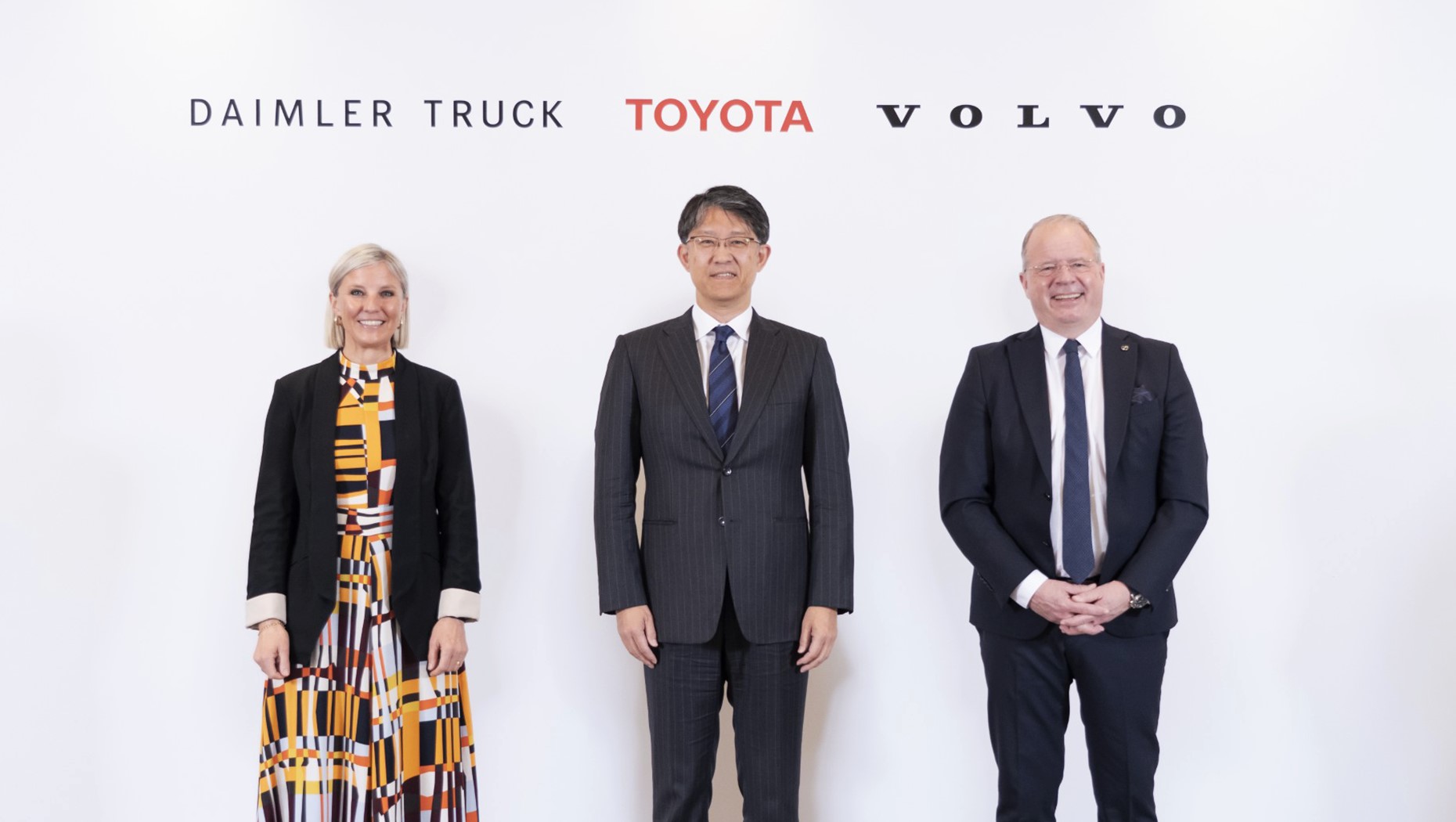
The companies said combining their respective expertise is expected to strengthen and speed up development of hydrogen fuel-cell systems for commercial vehicle applications.
Toyota and cellcentric also plan to jointly manage development and production of fuel-cell unit cells, the core component of fuel-cell systems, along with related architecture and control elements.
The goal is to create competitive products by combining technologies from both companies.
Combining expertise
By bringing together Volvo’s and Daimler Truck’s commercial vehicle expertise with Toyota’s fuel-cell development and manufacturing capabilities, the partners said they intend to strengthen cellcentric’s technological position and competitiveness in the market.
The companies said cellcentric will remain the central unit responsible for developing, producing and commercializing fuel-cell systems for heavy-duty on-road and off-road transport as well as other comparable applications.
The partners also said they will work with industry associations and companies across the hydrogen value chain to support the development of hydrogen supply and infrastructure.
Accelerating innovation
Volvo, Daimler Truck and Toyota said hydrogen remains one of the key energy sources for decarbonizing transport and that the collaboration is intended to accelerate innovation in fuel-cell systems.
Martin Lundstedt, president and CEO of Volvo Group, said the move is intended to help accelerate hydrogen applications and send a signal to the broader transportation ecosystem. “Given the importance of accelerating the transformation into net-zero transportation, the need of great companies coming together and collaborating is more important than ever,” he said.
Karin Rådström, president and CEO of Daimler Truck, added that hydrogen technology is expected to complement battery-electric drivetrains in decarbonizing transport: “This will enable us to strengthen development and further scale hydrogen technology, which we believe must complement battery-electric drives in decarbonising transport.”
Koji Sato, president and CEO of Toyota, said the partnership will combine cellcentric’s commercial vehicle expertise with Toyota’s more than 30 years of fuel-cell development experience in passenger vehicles.
Operating as an independent entity
Nicholas Loughlan, managing director of cellcentric, added Toyota’s planned participation as a shareholder reflects confidence in the company and is expected to strengthen the business across the value chain.
The companies said cellcentric will continue to operate as an independent and autonomous entity serving heavy-duty transport and stationary applications.
Volvo, Daimler Truck and Toyota said they will continue to compete independently in all other business areas.
The agreement remains non-binding, and the companies said discussions will continue toward a legally binding agreement, subject to approvals from relevant parties, boards and authorities.

Have your say
This is a moderated forum. Comments will no longer be published unless they are accompanied by a first and last name and a verifiable email address. (Today's Trucking will not publish or share the email address.) Profane language and content deemed to be libelous, racist, or threatening in nature will not be published under any circumstances.