Vanair expands Class 8 power offerings with new batteries, inverters and solar panels

Vanair is expanding its EPEQ Electrified Power Equipment ecosystem into the Class 8 trucking segment with a suite of battery-electric auxiliary power products designed to reduce engine idling and support growing electrical demands in over-the-road trucks.
The system was introduced during a press conference at the Technology & Maintenance Council’s 2026 meetings.
Originally launched in 2020 for vocational work trucks, the EPEQ platform provides battery-powered air compressors, welders, hydraulic systems and AC power for service vehicles and utility fleets. The latest expansion includes new 12-volt batteries and inverters, upgraded 48-volt lithium iron phosphate batteries designed for frame-rail mounting, and a solar charging system.
Vanair says the system is designed to power sleeper cab hotel loads, support liftgate and refrigeration batteries, and reduce engine idling.
“Drivers need reliable heating, cooling and electrical power without running the main engine,” said Chip Jones, national manager of the Electrified Products Group for Vanair. “Fleets need to protect expensive assets from the wear that idling causes. What we bring to this market is not a single-purpose APU. It’s a complete, integrated power ecosystem that scales to the application.”
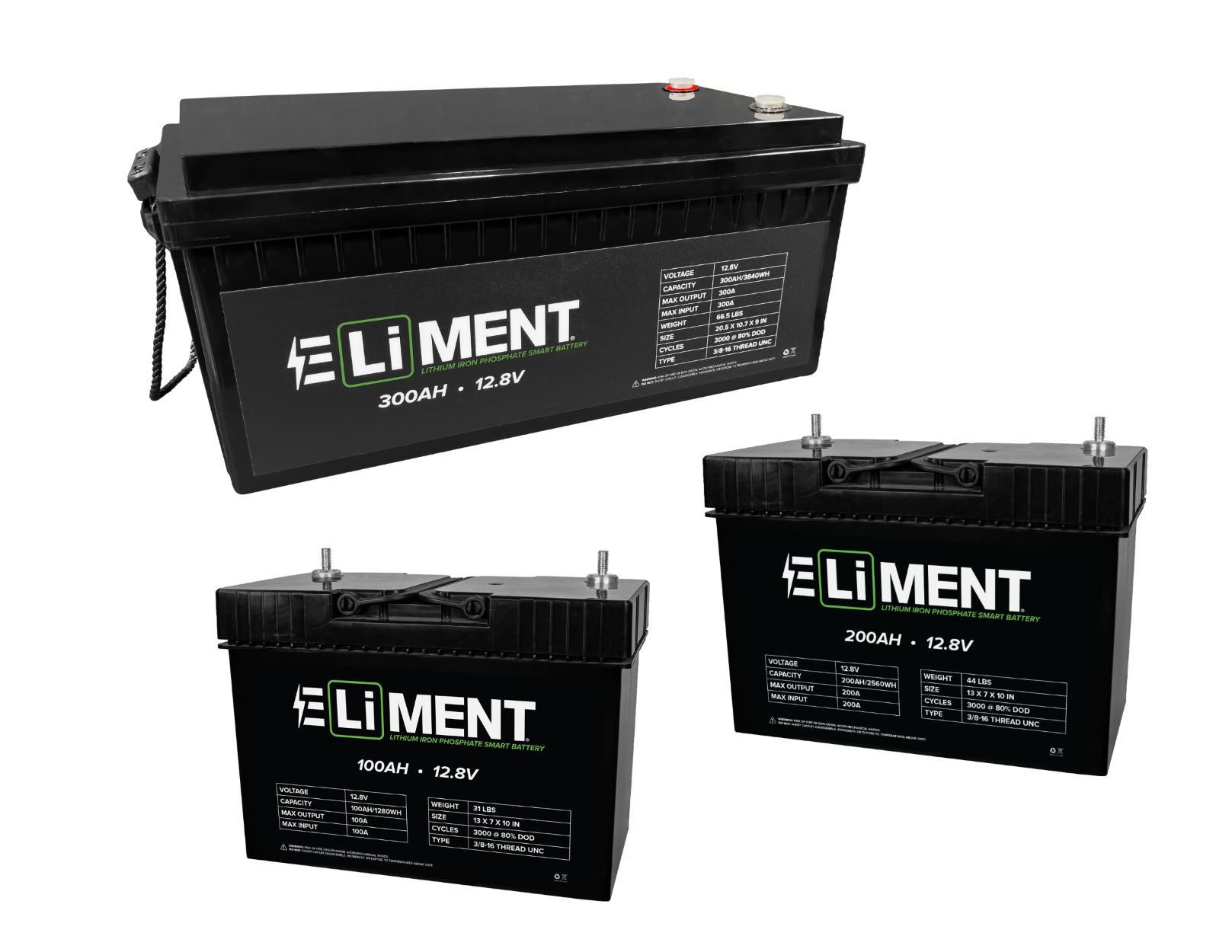
At the core of the system are ELiMENT lithium iron phosphate batteries. The 48-volt units are available in 5-kW modules that can be connected in parallel to deliver up to 30 kW of power. The batteries feature IP67-rated enclosures designed to withstand exposure to road spray, mud and debris when mounted on truck frame rails.
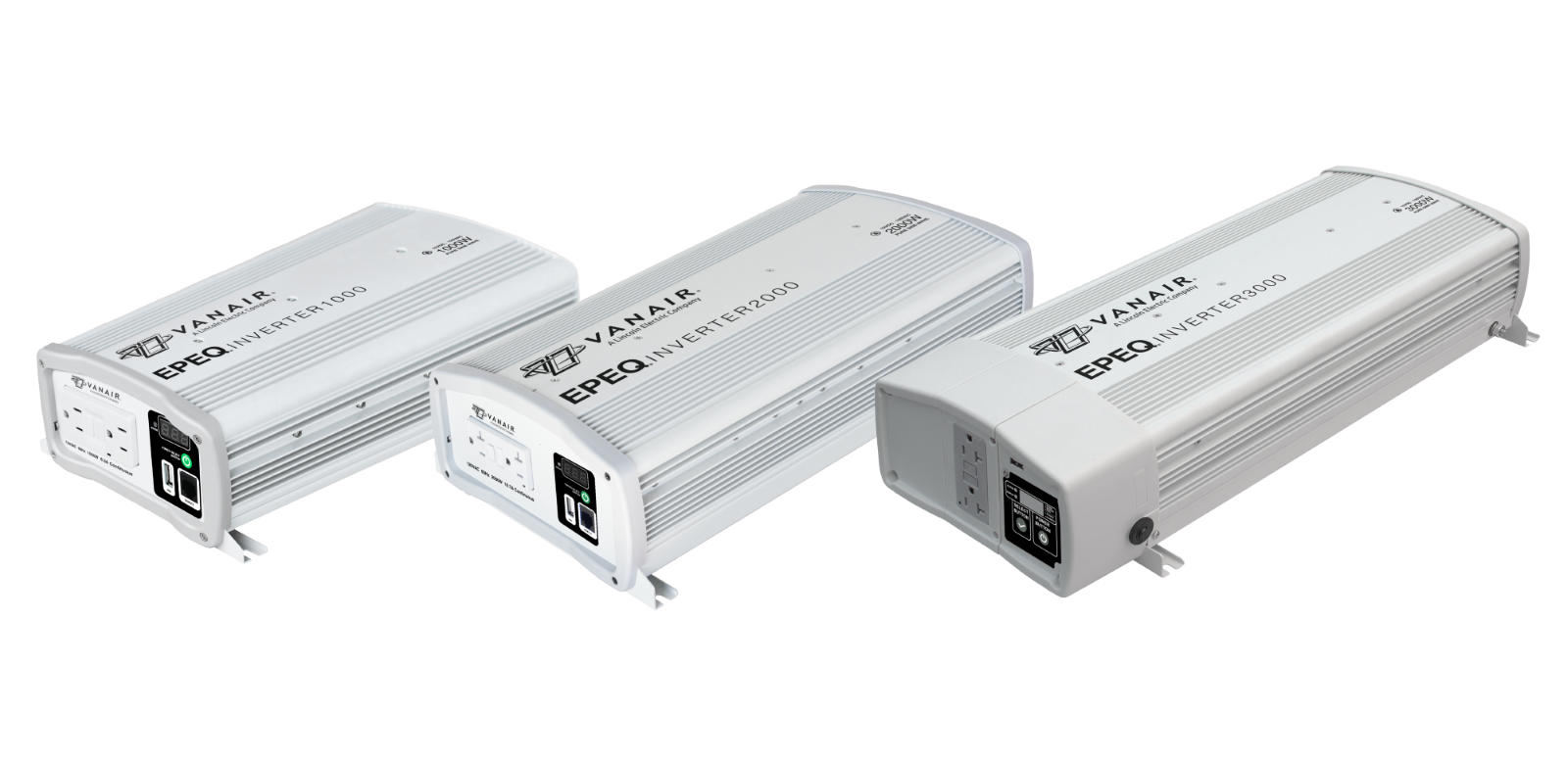
For sleeper cab applications, EPEQ inverters convert battery power to run HVAC systems, refrigerators, microwaves and other hotel loads during rest periods without idling the truck engine. The batteries recharge through the truck’s alternator while driving and can also be charged through shore power.
Unlike diesel auxiliary power units, the system has no combustion engine, no exhaust and no fluid maintenance requirements, Vanair said.
The company also introduced a 12-volt product line that includes lithium iron phosphate batteries in 100-Ah and 200-Ah configurations and pure sine wave inverters ranging from 1,000 to 3,000 watts. These systems are intended for lighter auxiliary loads such as powering onboard electronics, charging cordless tools or operating 120-volt equipment in day cabs or maintenance vehicles.
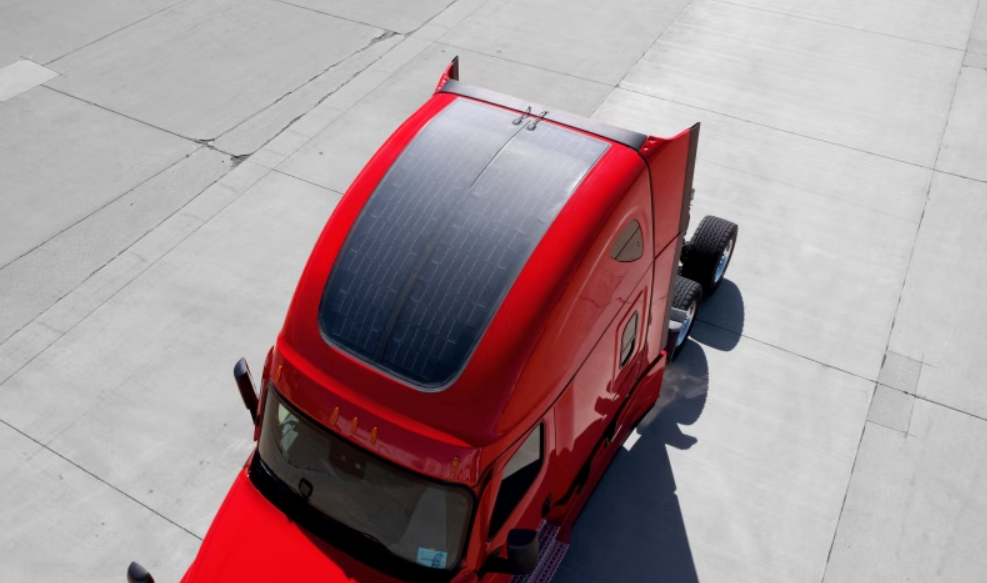
Vanair’s Solar Assist system is designed to help maintain battery charge levels while trucks are parked. Flexible adhesive-mounted panels can be installed on cab fairings or trailer roofs and are designed to operate in partial shade and low-angle light conditions.
The solar system is intended to address battery drain caused by telematics, electronic logging devices, GPS units and other onboard electronics that continue drawing power while trucks are parked. Jones said the solar system can extend battery life by up to 200%. In testing, Jones said trucks fitted with the system have seen idle time decrease to 1%.
The EPEQ system also includes a battery-driven hydraulic power option known as EPTO, capable of delivering up to nine gallons per minute of hydraulic flow to operate pumps, liftgates, compressors and other equipment without idling the truck engine.
Jones said the integrated system is intended to simplify auxiliary power management for fleets.
“Most electric APU solutions handle hotel loads,” he said. “The EPEQ ecosystem does that, but it also provides air compressor power, hydraulic power, solar charging and idle management in a single architecture.”
Vanair said the system is designed to help fleets extend vehicle life, reduce maintenance costs and lower emissions by minimizing engine idling. The solar panels can also be mounted to trailer roofs to power refrigeration units and liftgates.
Jones said the panels are lightweight, rugged and offer 20% more energy output compared to existing designs in real-world applications. If an individual module goes out, the rest of the panel will continue to function, he added.

Have your say
This is a moderated forum. Comments will no longer be published unless they are accompanied by a first and last name and a verifiable email address. (Today's Trucking will not publish or share the email address.) Profane language and content deemed to be libelous, racist, or threatening in nature will not be published under any circumstances.