Northern Ontario municipalities renew calls for improved highway safety

The Federation of Northern Ontario Municipalities (FONOM) is calling for faster progress on highway safety improvements following a fatal crash near Smooth Rock Falls earlier this month.
The March 7 collision involving four tractor-trailers and a passenger vehicle claimed the life of a Kapuskasing resident and marked the tenth highway fatality this winter on Northern Ontario roads.
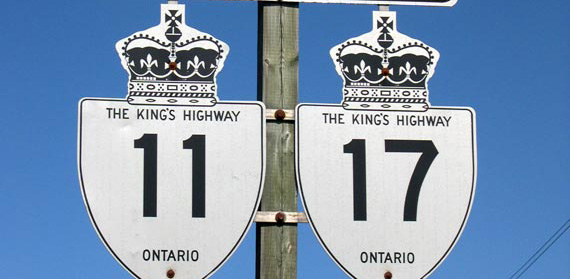
FONOM President Dave Plourde said the crash highlights ongoing concerns about safety on Highways 11 and 17, which form key transportation corridors across the region. This comes as he penned a statement outlining the dire state of road safety in Northern Ontario.
“These tragedies are becoming far too common on Northern Ontario highways,” Plourde said. “Northern Ontario families should not have to live with the constant fear that a routine trip on the highway could end in tragedy.”
FONOM pointed to recommendations made by the Northern Ontario Transportation Task Force, which delivered a report to the provincial government in April 2023 outlining measures to improve transportation safety and reliability across the region.
While the organization acknowledged that some improvements have been made, it says many recommendations — including those related to passing opportunities, rest areas and highway design — have yet to be fully implemented.
“Northern leaders have already done the work,” Plourde said. “The Transportation Task Force delivered clear recommendations to improve safety on Highways 11 and 17, yet too few of those recommendations have been implemented.”
Highways 11 and 17 are part of the Trans-Canada Highway system and carry significant volumes of freight traffic through Northern Ontario. Much of the corridor remains a two-lane undivided highway with limited passing opportunities and few alternate routes.
FONOM is urging the province to accelerate improvements along the corridor, including expanding four-lane sections where feasible and using a 2+1 highway design in areas where full expansion is not practical.
“These highways connect our communities, support our resource economy and move essential supplies across the country,” Plourde said. “Improving safety on these corridors is not just a Northern issue — it is a national one.”
The organization said it will continue working with municipalities, Indigenous leaders and governments to advance safety improvements and modernize Northern Ontario’s highway network.
Have your say
This is a moderated forum. Comments will no longer be published unless they are accompanied by a first and last name and a verifiable email address. (Today's Trucking will not publish or share the email address.) Profane language and content deemed to be libelous, racist, or threatening in nature will not be published under any circumstances.
Maybe it’s time the MTO start looking at these drivers training and which instructor at DriveTest sold them their license. As it’s well known as they just busted DriveTest instructors in Kingston selling AZ licenses. The Ontario Government can go back and see who these folks have “Passed” and get them back in for retesting. I still say it’s time for the people of Ontario to sue DriveTest, MTO and the government of Ontario for negligence, willful injury and handing off their responsibility to private enterprise and knowing what’s happening and doing nothing about it. Northern Ontario as an OPP officer told has become a “Killing Field”.

Maybe keep demanding that drivers who can not read, write, or speak English or French be banned from getting ANY class of driver’s license! They are the main reason that there are so many fatalities on 11-17!