EPA demands DEF failure information from manufacturers

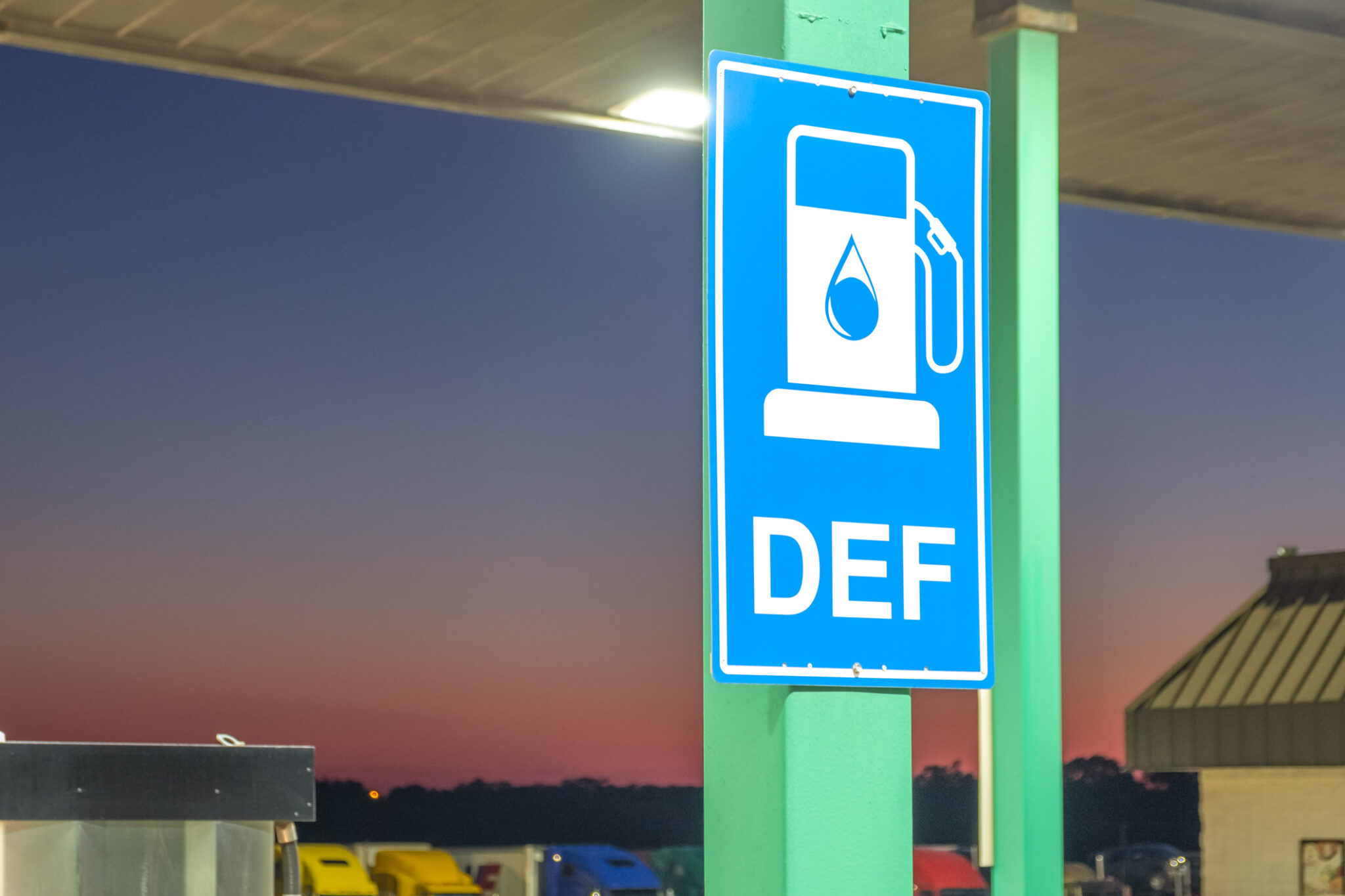
The Environmental Protection Agency is demanding information from engine manufacturers on diesel exhaust fluid (DEF) system failures.
Data collected from the top 14 on-road and non-road manufacturers will enable the EPA to independently evaluate ongoing system failures and inform emissions regulations.
“The agency is committed to working with manufacturers to ensure practical, durable solutions that simultaneously support emissions reductions and reliable operations,” said EPA Administrator Zeldin.
The EPA is requiring data on warranty claims, failure rates, and repair information for model-year 2016, 2019, and 2023 emission-control products. The agency previously issued guidance to manufacturers calling for revisions to DEF software to prevent sudden shutdowns and provide more time to repair faults.
Separately, EPA issued guidance to manufacturers stating that under the Clean Air Act, consumers have the right to repair their farm and other non-road diesel equipment.
“By protecting every American’s right to repair, we’re not just fixing devices, we’re securing a stronger, more independent future for our country,” said Zeldin.
Have your say
This is a moderated forum. Comments will no longer be published unless they are accompanied by a first and last name and a verifiable email address. (Today's Trucking will not publish or share the email address.) Profane language and content deemed to be libelous, racist, or threatening in nature will not be published under any circumstances.

This whole thing was government trying legislate products into existence rather than allow natural R&D engineering processes to work at a reasonable pace and allow for reasonable truck performance despite a failure, ask me how I know!?!?
When you’re climbing a grade with a big hoe and your software says no halfway up!? That’s not just bad policy it could be dangerous for road users.
Improving emissions for diesel trucks and equipment is a laudable and fantasy goal, I want to be able to breathe and for many generations to come, but we can’t pretend that this whole policy was doomed to fail and has produced multiple costly repairs for well over a decade.
The costs are so high that some will circumvent the entire system to avoid having such a high liability in the tens of thousands per occurrence. Add in exclusionary warranties and other manufactured bs from all involved.
We’ve been affected by US policy for far too long time to regulate with logic and reasoning, tested equipment and systems and allow legitimate legislation to work with industry not to hog tie everyone from the get go.