Why driver finishing programs matter more than ever

Commercial driver training is receiving increased attention from governments, regulators, insurers, employers, and industry organizations across Canada. Concerns about safety, workforce readiness, and training quality have prompted important conversations about preparing new drivers for the realities of the profession.
Several factors have increased the importance of structured onboarding and driver finishing programs, including evolving regulatory requirements, growing public expectations around road safety, rising insurance costs, and the need to support drivers entering the workforce.
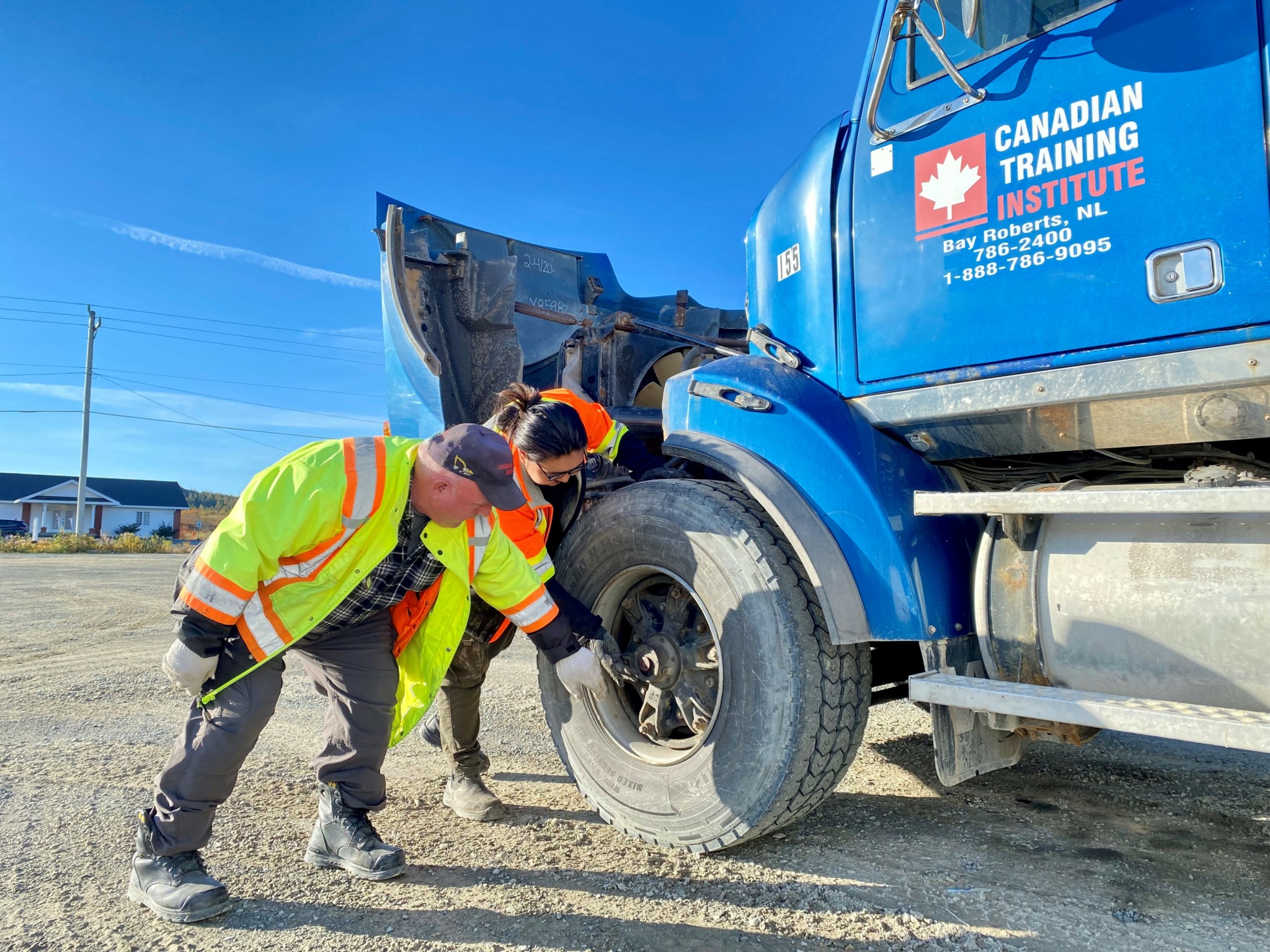
While licensing establishes a necessary foundation, safe and successful drivers are developed through ongoing learning, mentorship, coaching, and practical experience. A license confirms that an individual has met minimum requirements to operate a commercial vehicle, but it does not replace structured onboarding and continued skills development once they enter the workforce.
For years, fleets, insurers, and training professionals have recognized the importance of driver finishing and onboarding programs. These programs help bridge the gap between licensing and full occupational competence by reinforcing safe work practices, strengthening professional skills, and supporting new drivers as they gain practical experience.
Some of the industry’s strongest safety performers — including fleets recognized through Trucking HR Canada’s Top Fleet Employers program — have made considerable investments in structured onboarding, mentoring, and ongoing training. They know building driver competence is an ongoing process that extends well beyond licensing.
National Occupational Standards
As the workforce development council for Canada’s trucking and logistics sector, developing National Occupational Standards is core to THRC’s mandate. The driver training resources were developed to help employers apply those standards in driver onboarding and occupational-level training.
To help employers apply these standards in practice, THRC introduced a collection of 16 driver training resources in 2024. Since then, the collection has become one of THRC’s most accessed sets of materials, with more than 26,000 downloads to date.
The resources work because they were created with input from leading fleets, insurance providers, provincial trucking associations, and training institutions, ensuring they reflect industry best practices while remaining grounded in the realities drivers face every day on Canadian roads.
A key strength of the resources is their alignment with THRC’s National Occupational Standard (NOS) for Commercial Transport Truck Operators. The NOS defines the knowledge, skills, and abilities required to perform the occupation safely and effectively. By grounding training materials in a nationally recognized occupational standard, employers can be confident that their onboarding and development programs support consistent skills development and workforce readiness.
The resources are designed not only for drivers, but also for the people who develop them.
Training resources
THRC has also developed a National Occupational Standard to support instructors, mentors, coaches, and trainers, along with a curriculum framework to develop training programs for instructors and mentors, and an assessment guide with effective assessment practices and tools for conducting observational evaluations.
Together, these resources provide practical support for organizations seeking to strengthen driver development, improve training consistency, and build capacity among those training the next generation of professional drivers.
As the industry continues to explore ways to enhance commercial driver training, there is broad agreement on one principle: developing competent, safety-focused drivers requires more than licensing alone. Effective onboarding, structured training, mentoring, and ongoing professional development all play an important role in preparing drivers for long-term success.
The good news is that employers do not have to start from scratch.
Thousands of fleets, trainers, instructors, coaches, and mentors are already using THRC’s resources to support driver finishing and professional development programs. Built on national occupational standards and informed by industry expertise, these free tools are helping organizations across Canada strengthen safety, build workforce capacity, and support a more professional trucking industry.
To explore THRC’s complete suite of driver training resources, visit our Learning Centre and download the tools at no cost.
Have your say
This is a moderated forum. Comments will no longer be published unless they are accompanied by a first and last name and a verifiable email address. (Today's Trucking will not publish or share the email address.) Profane language and content deemed to be libelous, racist, or threatening in nature will not be published under any circumstances.
the time and effort Trucking HR and the selected industry professionals has paid big dividends-check out the resources they have. You will not be disappointed.
Keep up the great work Craig and team!

We should have further training it is just a matter of how it is to be paid for in my opinion
?