Freight recovery gains traction, but rising costs temper fleet optimism

There was a noticeably different tone when three fleet executives reconvened Tuesday for MEMA’s Mid-Year Fleet Check-in webinar.
Back in January, much of the discussion during Heavy Duty Aftermarket Dialogue (HDAD) centered on surviving one of trucking’s longest freight downturns in recent memory amid increasing operating costs and tariffs. This time, the conversation turned back toward managing growth.
Freight volumes are improving. Trucks are working more. Fleets are ordering equipment again. Some carriers are even turning away freight.
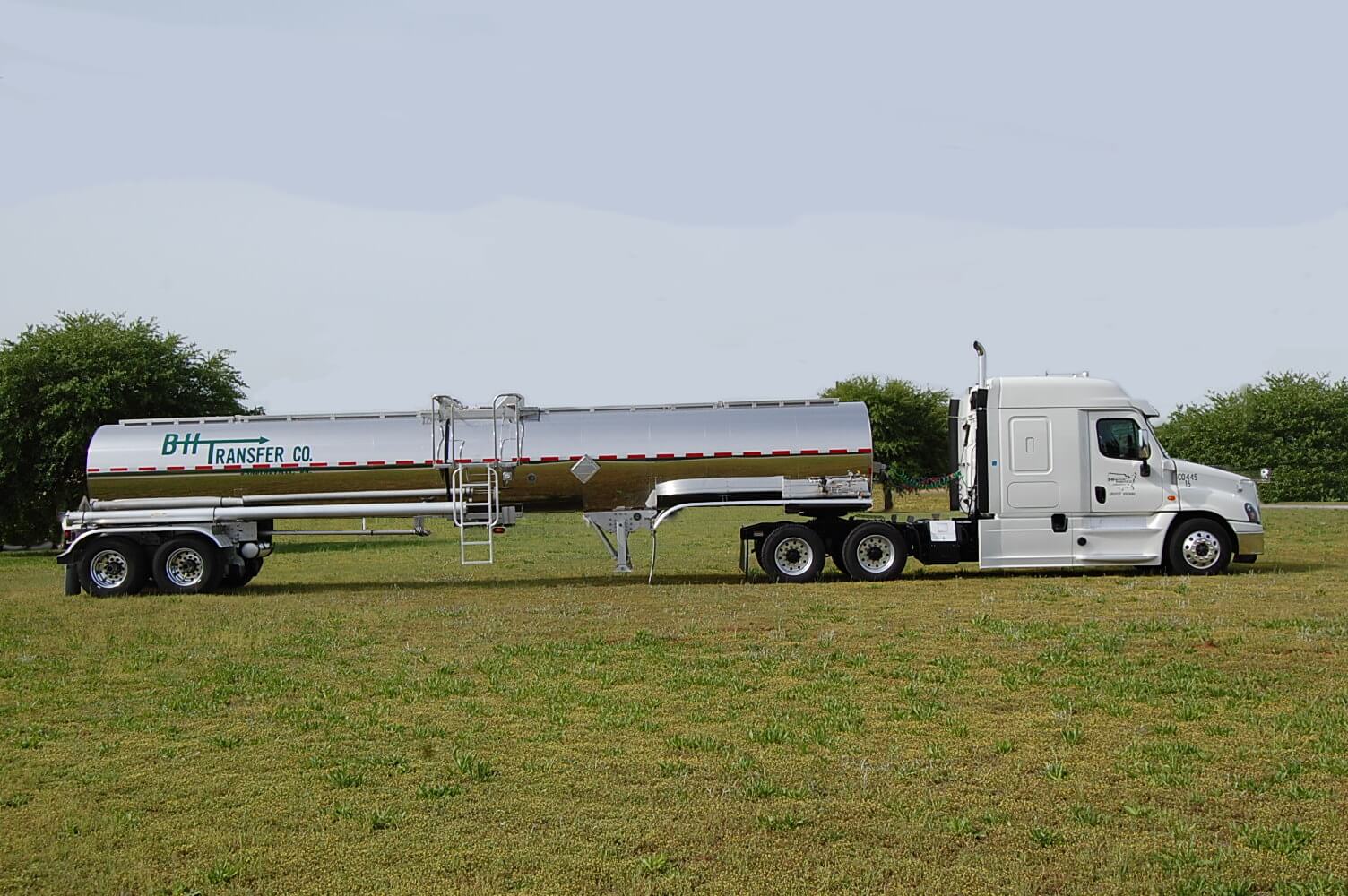
“We’re definitely turning down freight at this point,” said Mike McDonald, vice president of fleet readiness with B H Transfer. “We’re looking at freight rate increases everywhere that we’re not under a long-term contract.”
That doesn’t mean the industry’s challenges have disappeared. If anything, executives said they’ve simply changed. Tariff uncertainty has largely given way to concerns over rising fuel, lubricant and maintenance costs, while finding qualified drivers has re-emerged as an obstacle.
“We’re starting to see an uptick in the market,” said Joe Richley, vice president of maintenance at Groendyke Transport. “I don’t want to say we see a light at the end of the tunnel because if we saw a full light, it’s probably a train coming at us. But we see a pinhole, so we know for sure it’s not a black hole anymore.”
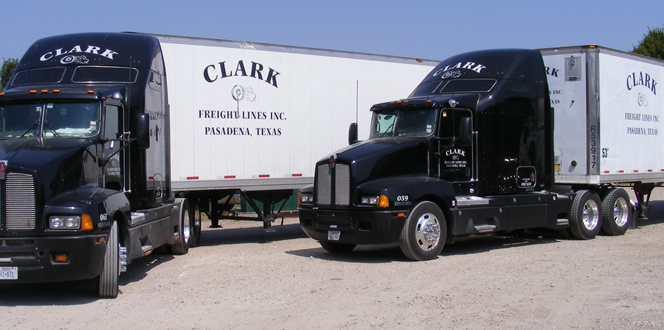
Fleets increasing equipment order sizes
For Groendyke, the improving outlook was enough to increase its truck order from 25 units to 35 this year. Next year, the company expects to buy as many as 125 tractors as it refreshes both sleeper and day cab fleets.
Clark Freight Lines also followed through on expansion plans outlined in January, putting five leased tractors into service and adding roughly 50 container chassis.
“We’re really looking forward to a full-service lease where we can give it back to them when something goes wrong instead of trying to decipher all that ourselves,” said Clark president David Schnautz.
McDonald said B H Transfer has gone from excess capacity to the opposite problem.
“We’re way under capacity,” he said. “We’re adding drivers as we can.”
The stronger freight environment is evident in utilization rates. McDonald estimated about 90% of the company’s tractors are now active, while Groendyke is operating roughly 85% of its power units. Clark Freight reported similar utilization levels.
Executives also pointed to improving pricing, something that had been elusive through much of the freight recession.
“The rate’s been going up,” Schnautz said. “That just started probably six months ago.”
Cost pressures shift
While freight has improved, costs continue moving in the wrong direction. Instead of tariffs dominating the conversation as they did in January, fleet managers repeatedly pointed to products tied to petroleum markets.
“The recent fluctuation…I feel is driven more by what’s going on in the Middle East right now than it is tariffs,” Richley said.
Lubricants, engine oils, tires and other petroleum-based products have all become more expensive since the U.S. attacks on Iran.
“I’m getting them incrementally, which is getting incrementally more frustrating by month,” Richley said. “It’s like another dollar this month, 10% that month on this product.”
When moderator Molly MacKay Zacker, vice president of operations with MacKay & Company, asked which maintenance expense had increased the most this year, the panelists answered almost in unison.
“Fuel and lubricants,” Schnautz replied.
Tariff concerns ease
Executives on the webinar agreed pricing has become more predictable since January, when fleets complained suppliers couldn’t clearly explain how tariffs were affecting invoices.
Richley said that uncertainty has largely subsided.
“It certainly stabilized through the first half of the year,” he said.
Some manufacturers have shifted production back to the U.S., he added, helping clarify pricing and reducing some of the confusion fleets experienced earlier in the year.
Buying philosophy changes
If there was one area where fleet purchasing strategies have evolved, it may be supplier relationships. Longstanding loyalty is taking a back seat to obtaining the best quality part at the best price.
“We had to pivot to the best price for the best quality that we could find,” Richley said.
Schnautz noted that many OEM-branded replacement parts are identical to aftermarket alternatives, some of which are available for less on Amazon.
“I can’t pay the [OEM-brand] price for the exact same part,” Schnautz said after describing a $430 sensor that a driver sourced elsewhere for $125.
McDonald said downtime has become too expensive to compromise on quality.
“You need the highest quality part you can possibly get,” he said. “But you need to buy it at the best price you can get it.”
His company recently completed a comprehensive request-for-quotation process covering virtually its entire parts inventory, forcing suppliers to compete more aggressively on pricing.
Driver shortage returns
Perhaps the strongest sign that freight markets are tightening came when the discussion returned to drivers. Unlike a year ago, freight availability is no longer the primary constraint — qualified drivers are.
McDonald said trucks are sitting because the company refuses to lower its hiring standards.
“I drive in every day and I’m looking at a line of trucks, and I wish I had drivers behind the wheel of them,” he said, acknowledging revenue isn’t being maximized because the company doesn’t have enough qualified drivers to fill all available seats.
The panelists said they have not lost drivers because of English-language proficiency enforcement or crackdowns on non-domiciled commercial driver’s licenses, but they believe those efforts have removed capacity from the market, contributing to improving freight rates.

Have your say
This is a moderated forum. Comments will no longer be published unless they are accompanied by a first and last name and a verifiable email address. (Today's Trucking will not publish or share the email address.) Profane language and content deemed to be libelous, racist, or threatening in nature will not be published under any circumstances.