This is how Best Fleets navigate volatility as customer dynamics and economy shift

After years of shipper-driven pricing and excess capacity, fleets say early signs of a market recovery are beginning to shift leverage back toward carriers, even though the effects of the prolonged freight recession are still there.
Leonard’s Express of Farmington, N.Y. and Sioux Falls, S.D.-based K&J Trucking — both top performers in the Best Fleets to Drive For program — pointed to economic volatility, shifting customer dynamics, and technological change as key factors shaping their strategies over the past couple of years. During the conference in Charlotte, N.C., both fleets said they focus on long-term planning, as the two companies are second-generation, family-led businesses with third-generation members already active in operations.
That long-term mindset particularly came into play as tariffs and a broader market downturn disrupted operations. K&J Trucking saw momentum build at the end of 2024, only to see volumes drop sharply last year.
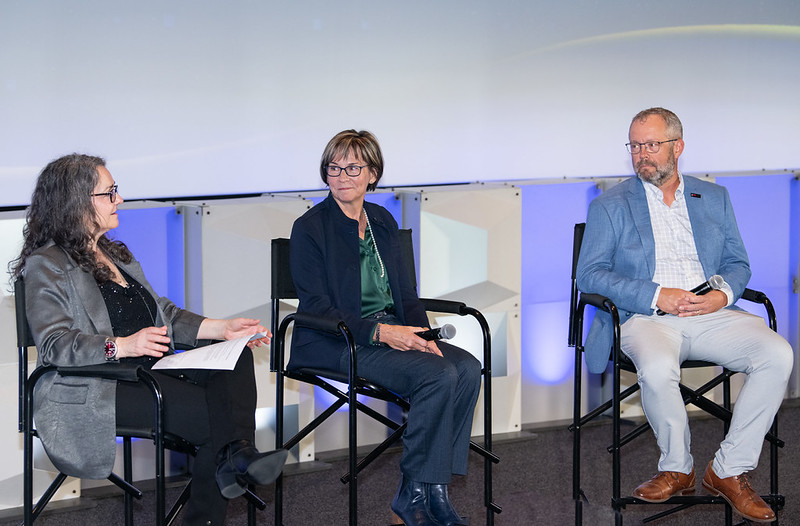
“We went backwards, and 2025 was probably our worst year, to be honest with you,” said Michelle Koch, president of K&J Trucking, which operates roughly 125 trucks.
As a refrigerated carrier heavily involved in hauling meat, K&J was particularly exposed to export-related freight. When shipments to ports declined, so did a key portion of its business. The drop in export volumes led the fleet to rework its network and change routes and lanes to find replacement freight, which directly affected drivers.
“We couldn’t offer what a good percentage of our driving base wanted for several months,” Koch said, adding that she believes drivers only stayed with the company due to its ongoing and open communication. She said being transparent about the situation and offering alternatives helped retain drivers during times of disruption.
Leonard’s Express also experienced tariff-related challenges, but broader economic uncertainty had the biggest impact, said Kyle Johnson, CEO.
“The uncertainty that the tariffs brought to the whole economy is really what impacted our industry… nobody knew what to do, because everybody’s in a vapor lock,” he said, adding that customers delayed decisions, demand softened, making planning even more difficult. That also affected equipment procurement and maintenance strategies for the fleets themselves, making it harder to make investment decisions or commit to growth strategies.
Shifting customer dynamics
Both fleets said that fuel costs themselves were relatively manageable through surcharge programs and operational discipline. But the bigger issue was the cash flow, as they were paying for fuel multiple times a week while waiting on customer payments for weeks and months.
That was caused by shifting customer expectations.
“Our tagline is ‘Success through service’, and I think we forgot that a little bit because our customer beat us up,” Johnson said.
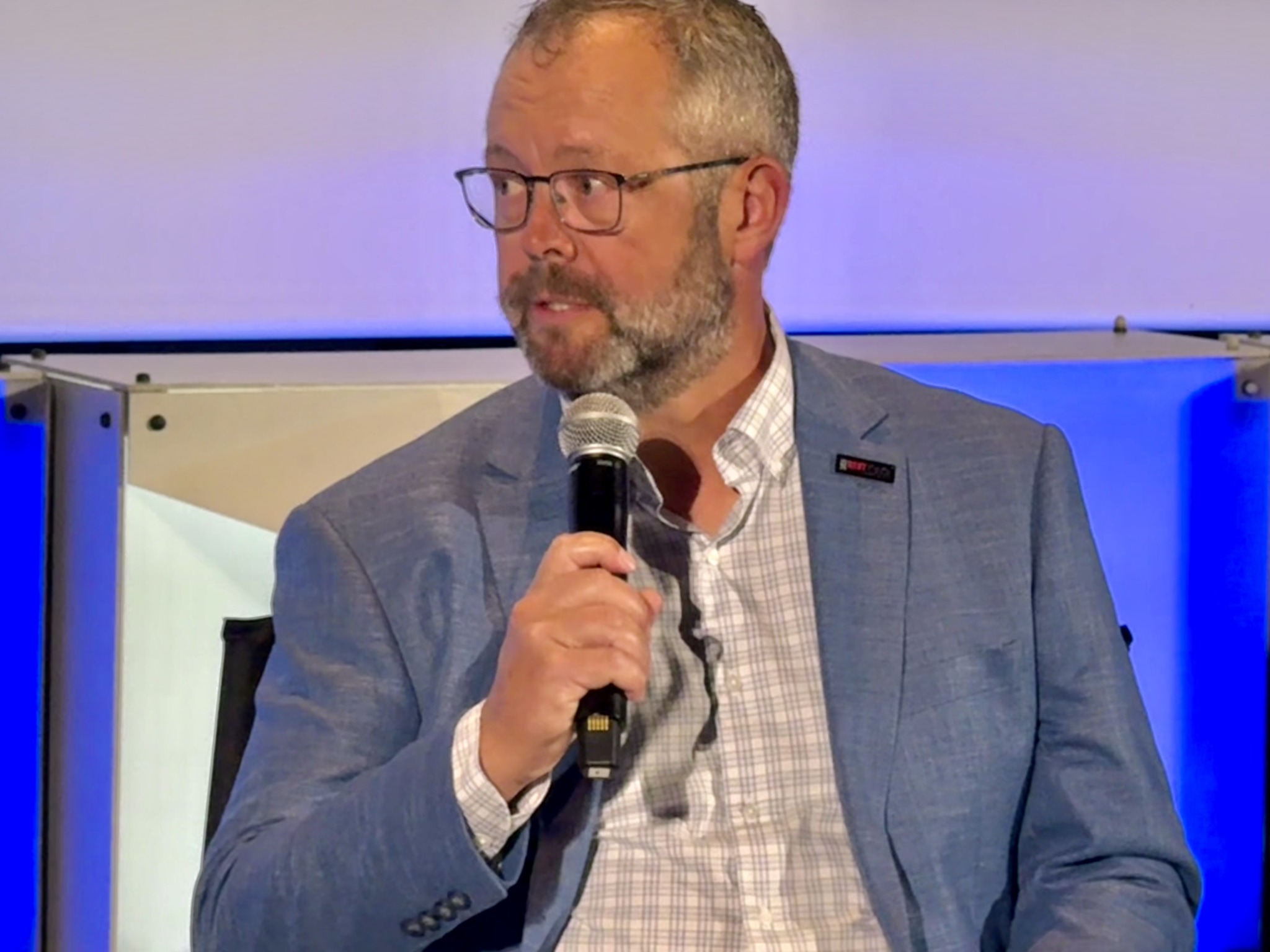
“They didn’t care how their freight got delivered, and it really kind of hurt, because we took pride in that… So, yeah, the customer relationships have definitely changed. You know, they were beating us up on payment terms…I mentioned that earlier, and we had customers going out to 120-day payment terms.”
He added that some customers might regret taking advantage of fleets in this way. “It’s not a threat. But when it comes back around, and the volume is there, and the demand is there, we’re going to have choices of what freight we haul.”
The good news is that recent months have brought early signs of recovery, including tightening capacity, modest demand increases and more targeted price adjustments, both panelists said. And conversations with customers are also beginning to shift from purely rate-driven calls toward capacity and service.
“It’s changed because they smell fear,” Koch said. “They know they need us now. In the last five years, they haven’t needed us.”
While some customers are now emphasizing partnerships and service, she cautioned that those priorities often shift with the market.
In her view, service tends to matter most when capacity is tight — but can quickly give way to price pressure when conditions change. “They prove all the time they don’t care about service if the freight rate is low enough.”
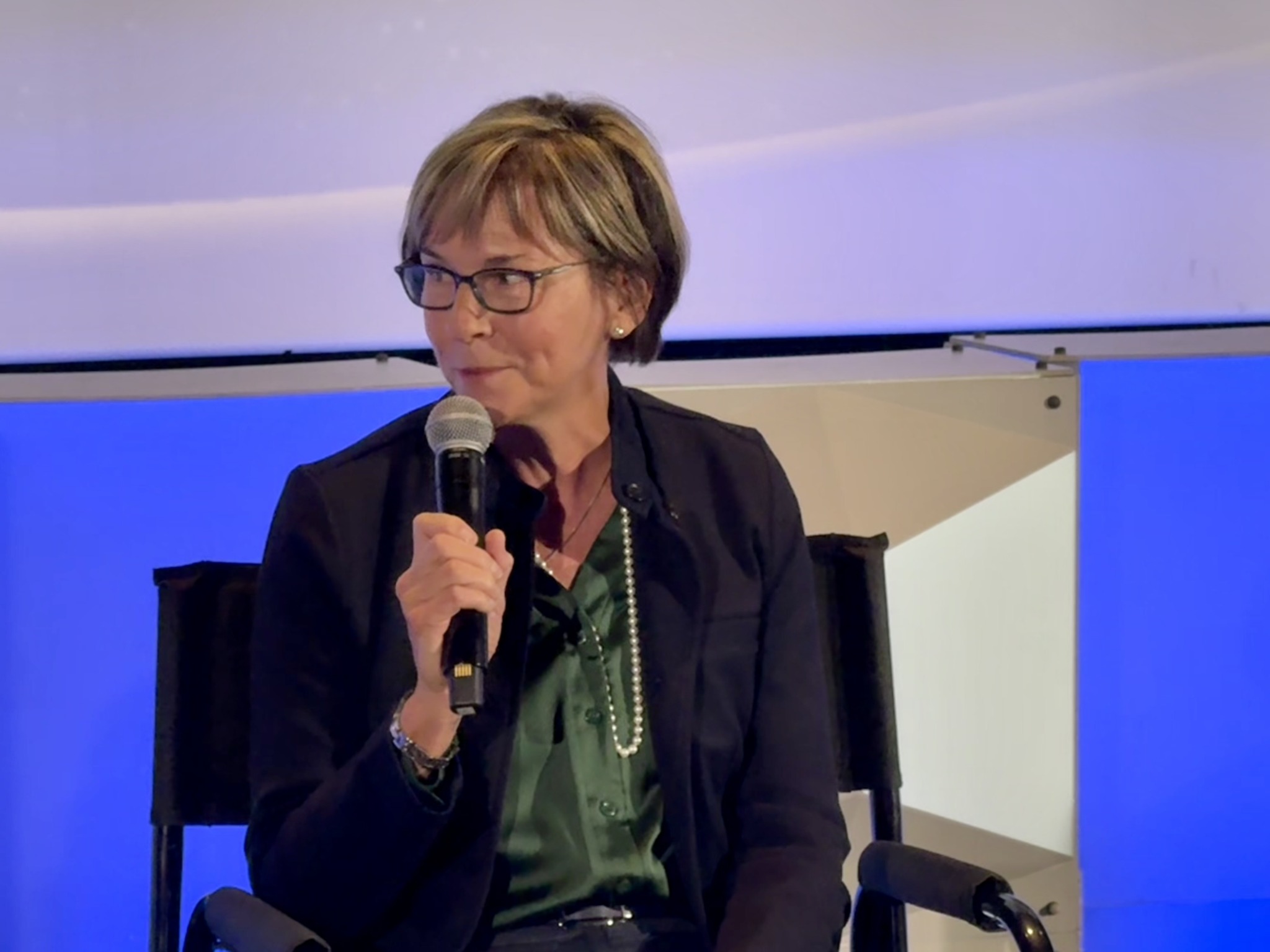
“If you are fortunate enough to find a customer that cares about service, those are the people you want to always stick with. It’s harder when you deal with some of the big companies,” Koch added. “They know they’re going to be in trouble pretty soon. They’re going to need capacity. It’s already starting. We’re seeing that.”
When asked about staying afloat in the downturn, both fleets said they deliberately limit exposure to the spot market, using it as an occasional tool rather than a core part of their business.
Koch said K&J Trucking may occasionally use spot freight to fill gaps or take advantage of short-term opportunities, but it does not rely on it. Leonard’s Express has a similar approach, with spot freight accounting for less than 10% of its overall business. Johnson said it is primarily used to reposition trucks or get drivers home.
Instead, both fleets focus on more consistent, relationship-driven freight, often dedicated or near-dedicated lanes, which provides greater stability through market cycles.
AI, tech used to help staff and drivers
Another strategy to survive in a volatile market was to invest in technology and artificial intelligence (AI) to work smarter, not harder.
With a fleet of more than 600 trucks operating across multiple regions and service lines, Leonard’s Express is using AI to handle routine functions such as routing, load matching, and scheduling — freeing staff to focus on driver interaction and management. The system was initially rolled out to over-the-road operations before expanding more broadly. But Johnson said he would reconsider this approach in favor of a full rollout from the start, as driver response has been largely positive.
“They like that the computer’s planning, because it’s going to give them the best option versus favoritism,” he said, adding that acceptance rates now approach 90%.
“Our people are just going to be doing different things — handling the complex problems, working with our drivers, talking to our drivers, getting the feedback. But I don’t need a human on a phone trying to schedule an appointment, and that’s a waste of their time. So if we can have some AI do some of those mundane tasks and make it faster and easier… but they also have to be making the right appointments. So there has to be some human interaction and overreach,” Johnson said.
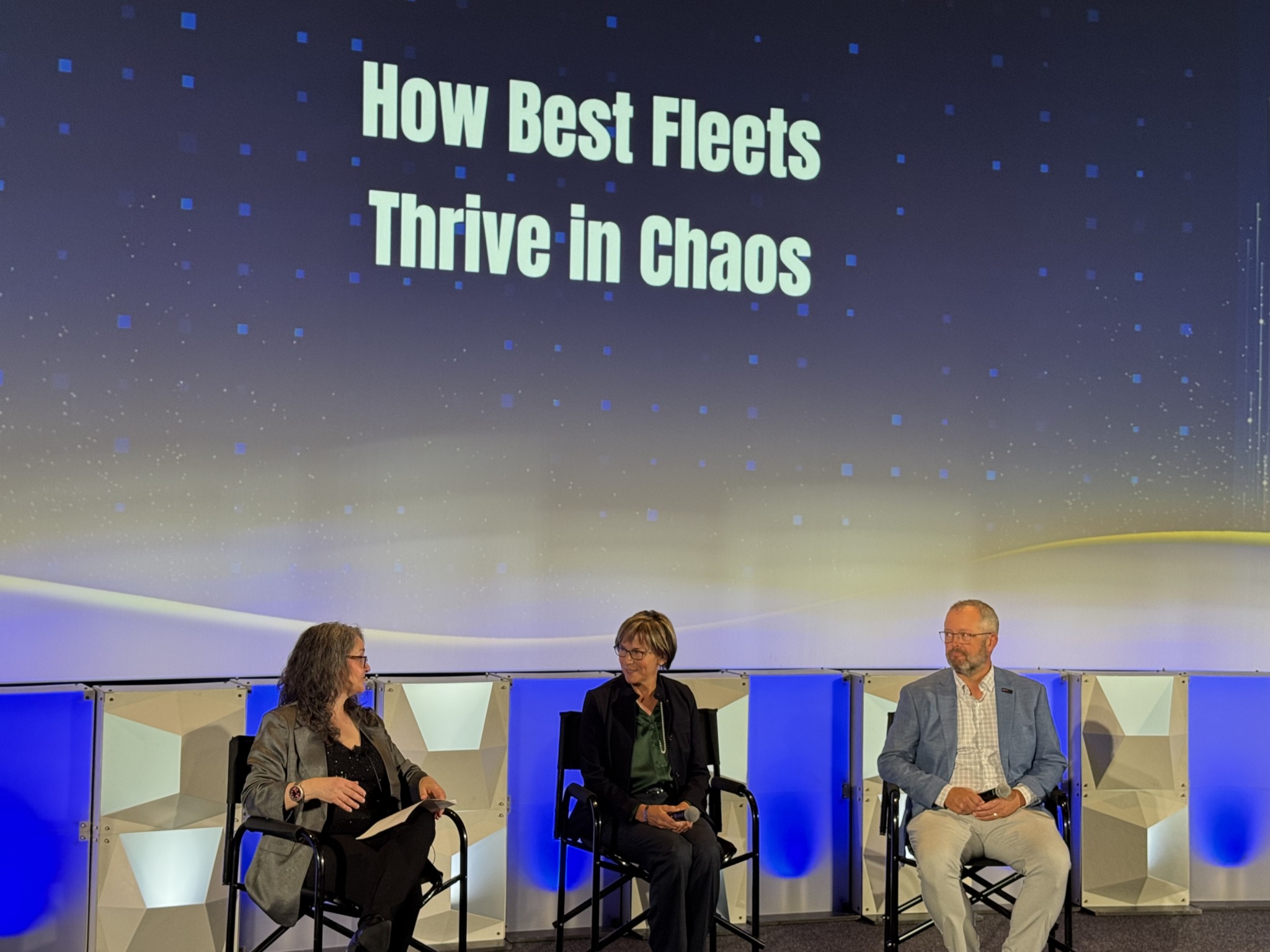
K&J Trucking has a different approach to technology. “We have a different budget… this is where the size of the fleet really matters,” Koch said.
Rather than large-scale planning systems, the company is focusing on targeted applications, including AI-enabled safety technology such as in-cab cameras, as well as automation for administrative and marketing tasks.
One thing both fleets have in common is that they try to free as much of their employees’ time as possible to spend it with drivers.
Internal communication
When asked about cultivating relationships with their drivers, Koch said K&J relies on a highly personal approach, combining weekly video updates, launched during the pandemic, with direct and frequent interaction with drivers.
Koch’s office is located directly across from the driver lounge, and she keeps an open-door policy. “Every driver is welcome if my door is open, which is 95% of the time, to come in and see me,” she said.
“I’ve got other people doing the management stuff, so I freed up my time to spend about 20 hours a week with drivers,” Koch added. She also shared that each week, she gathers updates from across departments and shares them with drivers, covering everything from operational changes to wins, reminders, and occasional corrections, and uses that in video updates. Videos are distributed through driver tablets and a private, locked-down YouTube channel, with engagement tracked internally.
Leonard’s Express, with a larger workforce, has a different system that includes monthly company-wide updates. The company’s risk control group provides regular safety messaging, while its organizational development team works directly with drivers — often by phone — on trip planning, driving habits, and operational decisions.
The organizational development team is also handling more complex or sensitive conversations, such as routing decisions or pay-related issues, helping reduce friction between drivers and managers, as well as dispatch, and creating a more neutral, coaching-oriented environment.
Johnson also said that drivers tend to consume information differently, sometimes via a mix of channels, including email, tablets, phone calls, and internal platforms. He also acknowledged that engagement remains a challenge in some areas.
“We’re really rethinking how we are doing our safety meetings and trying to drive not only attendance, but participation,” he shared one example.
But both fleets said that transparency was and remains critical to maintaining driver engagement, trust, and retention.
Best Fleets as a tool
Driver-centric culture and focus on continuous improvement are what tie back to why both fleets continue to participate in the Best Fleets to Drive For program.
Both carriers said the feedback from drivers they received through the program — along with benchmarking — drives meaningful internal changes every year.
“Our success as a company relies on our drivers… they’re the ones that see our customers every single day,” said Johnson. “For us, it’s important to listen to our drivers and actually take action on it.”
Leonard’s Express has been named to the Best Fleets Top 20 for four consecutive years from 2022 through 2026, after first being recognized as a Fleet to Watch in 2020.
Koch agrees, adding that the program also reinforces credibility.
“You can’t buy Best Fleets [recognition],” she said, describing the process as demanding but worthwhile. As a two-time overall winner in the small fleet category (2024 and 2025), K&J Trucking has seen that recognition pay off over time as a recruiting and retention tool, as it helps drive driver satisfaction rates up.
“We continue to do this for a couple of reasons. First of all, it’s uplifting for our group, and we get better. Best Fleets makes us better,” she said.

Have your say
This is a moderated forum. Comments will no longer be published unless they are accompanied by a first and last name and a verifiable email address. (Today's Trucking will not publish or share the email address.) Profane language and content deemed to be libelous, racist, or threatening in nature will not be published under any circumstances.