Mack, Volvo latest to update DEF inducement software

Mack Trucks and Volvo Trucks are expanding the availability of updated diesel exhaust fluid (DEF) inducement software across their North American truck lineups, giving fleets more time to address emissions system issues before vehicles are derated.
The software updates reflect revised guidance from the U.S. Environmental Protection Agency (EPA), increasing the final inducement speed from 5 mph to 25 mph and extending the repair window from four hours to as much as 160 hours. The changes are intended to help drivers reach a service location while maintaining compliance with emissions regulations.
Both manufacturers began incorporating the updated software into new trucks in May 2026. Mack introduced it on Mack Pioneer and the all-new Mack Anthem equipped with MP13 engines, while Volvo began production of D13 VGT- and D13 TC-powered all-new VNL and all-new VNR models with the updated software.
The rollout will continue over the next 18 months.
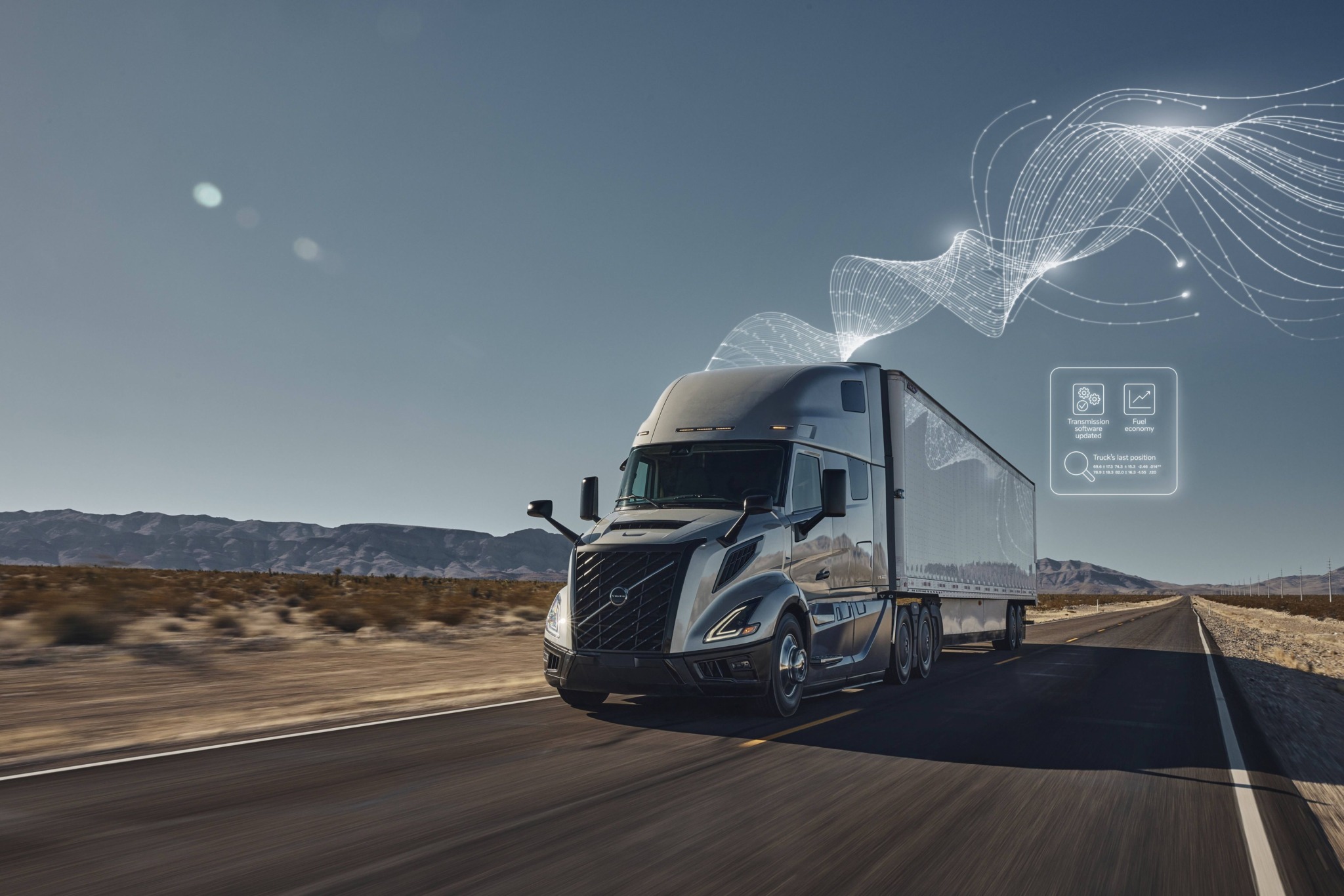
Both companies expect remote software updates to be available for 2024 and newer trucks by the end of this summer.
By the second quarter of 2027, the updates will be expanded to all post-2014 model year vehicles, with all eligible post-2010 trucks expected to receive the updated software by the end of 2027. Vehicles that do not support remote updates will be serviced through Mack and Volvo dealerships.
“Providing customers with practical solutions that support both compliance and operational efficiency remains a priority for Mack,” said Jonathan Randall, president of Mack Trucks North America. “By introducing this capability on new vehicles and establishing a clear path for legacy vehicle updates, we are helping customers maintain productivity while meeting evolving regulatory requirements.”
Volvo Trucks North America President Peter Voorhoeve said the changes are designed to give customers greater flexibility when problems arise on the road.
“These updates are about giving our customers more flexibility and confidence when they are on the road,” Voorhoeve said. “By extending the repair window and increasing the final inducement speed, we are helping drivers keep their trucks on the road and safely reach a service location, reducing the risk of unexpected downtime and supporting the uptime and productivity our customers depend on every day.”
A DEF inducement is triggered when the emissions system detects a fault, such as low DEF levels or an issue with the selective catalytic reduction (SCR) system. SCR systems use DEF to reduce nitrogen oxide (NOx) emissions, and inducement strategies are designed to encourage prompt repairs while ensuring emissions compliance.
Both Mack and Volvo said the software updates provide a more practical path to compliance while helping fleets maximize vehicle uptime and operational performance.

Have your say
This is a moderated forum. Comments will no longer be published unless they are accompanied by a first and last name and a verifiable email address. (Today's Trucking will not publish or share the email address.) Profane language and content deemed to be libelous, racist, or threatening in nature will not be published under any circumstances.