Bowles’ milk run still going strong after 52 years

When Ron Bowles climbed into a milk truck at 19 years old in 1974, he never imagined he would still be behind the wheel more than five decades later.
Now 71, Bowles has spent all 52 years of his trucking career with milk transporter Allan Johnston. He began as a mechanic before moving into milk hauling, spent 36 years as a dispatcher, and returned to driving at the age of 65.
Growing up on a farm near Listowel, Ont., Bowles became familiar with the local milk haulers long before joining them.
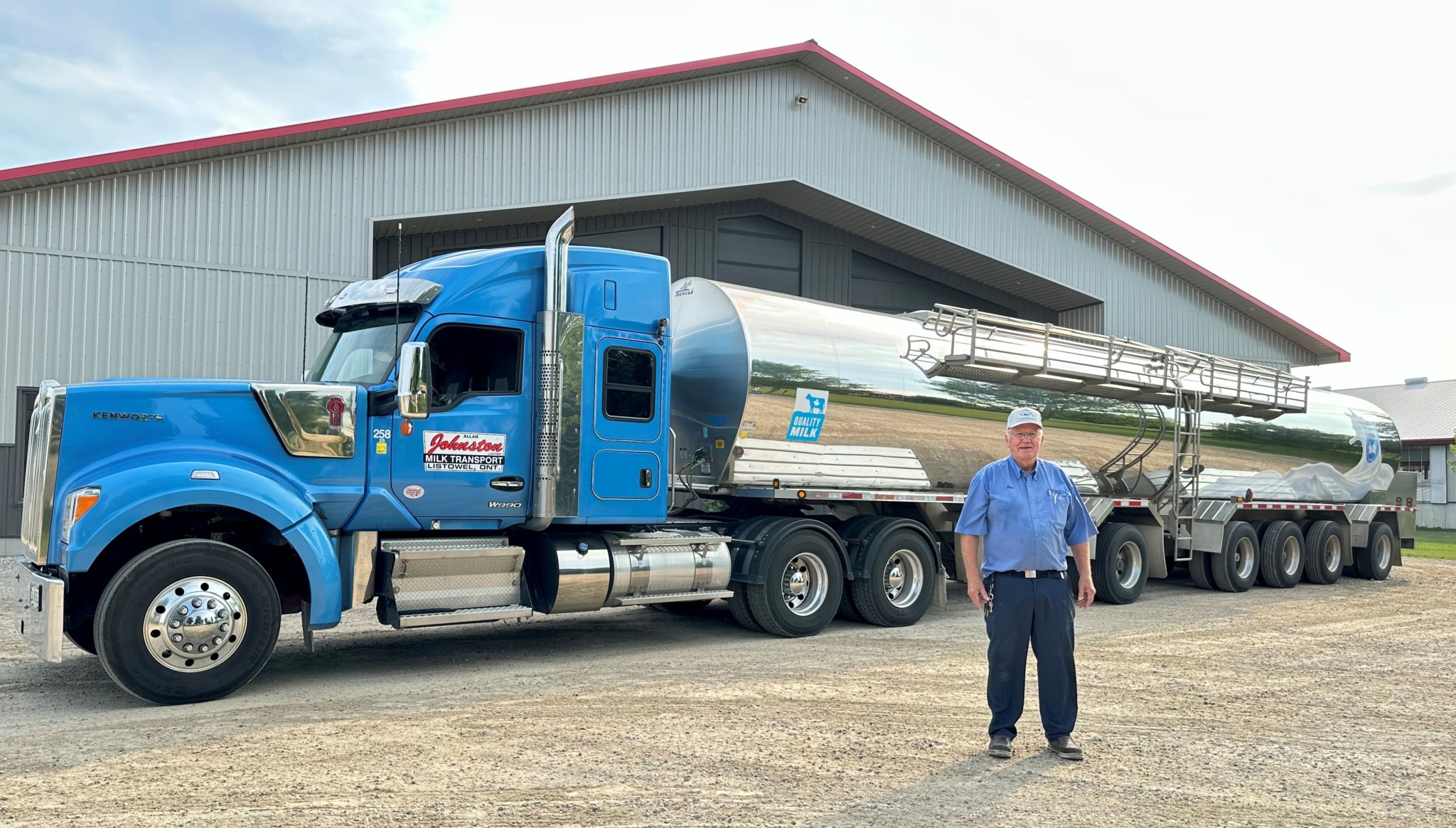
“I grew up on a farm, not far from here. The milk truck came every day or every other day. I got to know the people. One of my friends, his dad worked there, then he worked there, so that’s how I got into it.”
Like many drivers of his generation, Bowles learned by riding with experienced truckers rather than attending a formal training program.
His first route involved collecting milk from farms within a 40-mile (64-km) radius using an International 1800 Loadstar straight truck.
The trucks of the 1970s were far from comfortable. They lacked power steering, radios and air conditioning, and drivers relied on little more than a vented seat to stay cool. Bowles often collected milk from 14 farms in the morning, returning to the yard to empty it into a trailer. He then did another 14 collections in the afternoon before returning to unload.
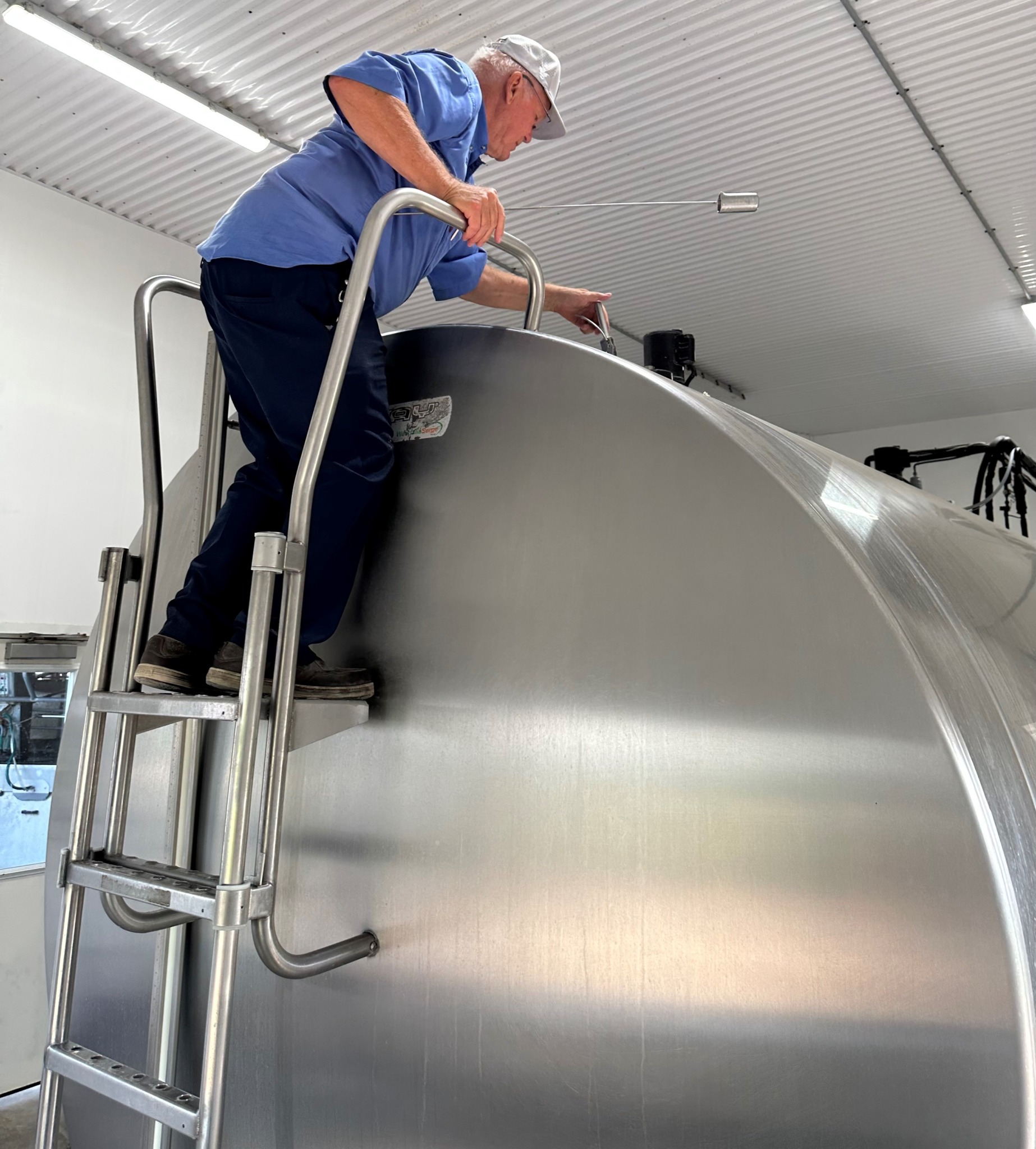
Bowles transitioned into city deliveries with tractor-trailers before accepting a dispatching position after about a decade on the road. Even then, he occasionally climbed back into a truck whenever another driver was unavailable.
He spent the next 36 years coordinating drivers, schedules and equipment. The work demanded long hours, typically five-and-a-half days a week, but Bowles enjoyed the constant variety and problem-solving that came with the job.
During those years he witnessed a dramatic shift in the trucking workforce. Early in his dispatching career, turnover was almost nonexistent and job applicants filled a thick file in the office. By the time was done with dispatching, recruiting qualified drivers had become one of the industry’s biggest challenges, with some positions taking months to fill.
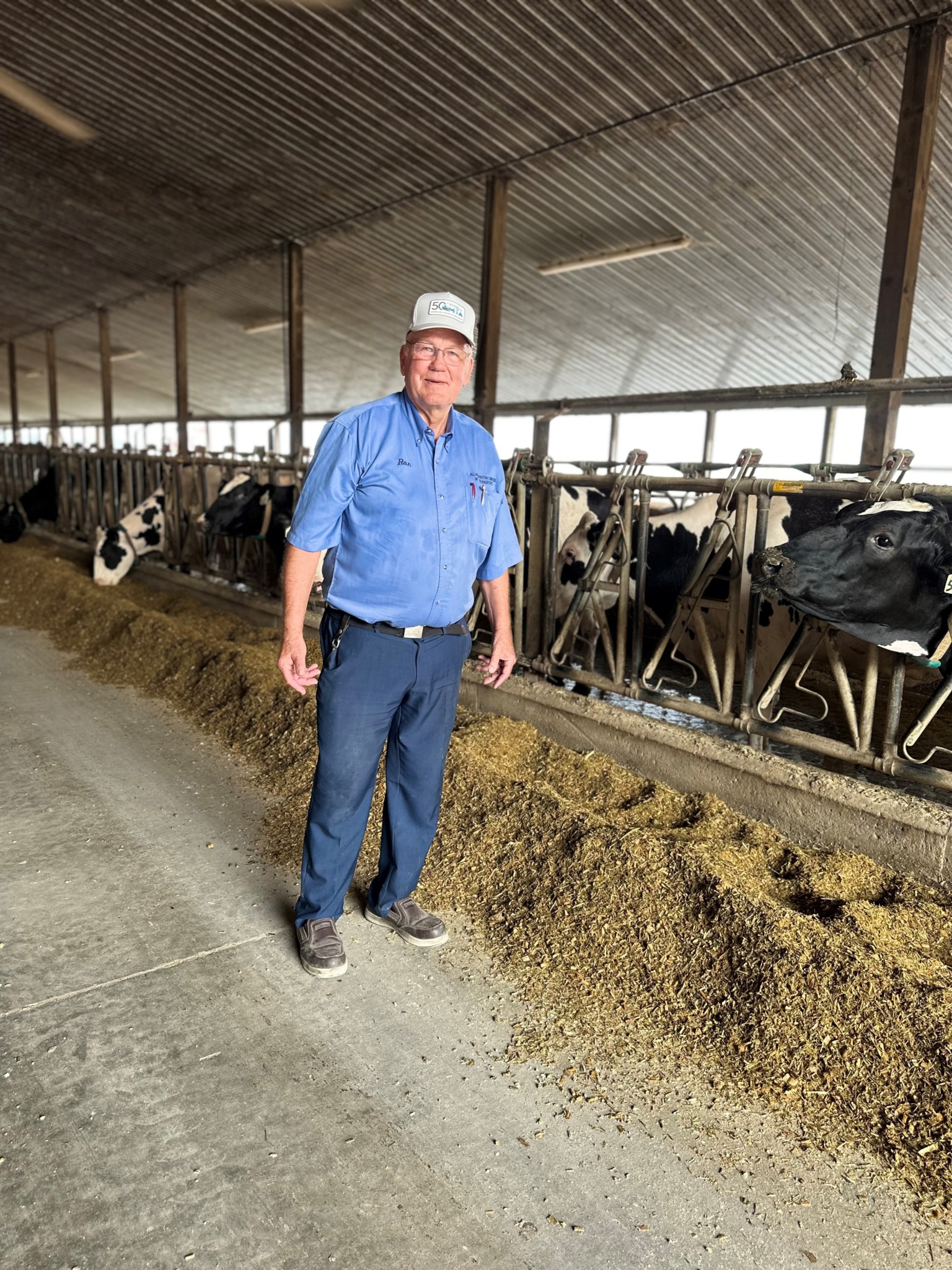
Bowles believes younger workers are less likely to pursue trucking because the lifestyle has changed and families increasingly expect drivers to spend weekends at home.
He also misses the camaraderie that once defined the industry. Drivers used to gather after their shifts to swap stories before heading home, a tradition he says has largely disappeared as people leave immediately after work.
After decades in the office and wondering what to do with his time, Bowles returned to driving on a schedule of two days on, two days off, alternating between three and four shifts each week.
Nowadays, he starts at 7 a.m., collecting milk from farms around Listowel before hauling it to a processing plant in Toronto. After unloading and washing the trailer, he returns to the yard. A typical day lasts about 11 hours.
Winter weather can quickly change those plans. During a major storm two years ago, Bowles spent 72 hours stranded just 14 kilometres from home before roads reopened.
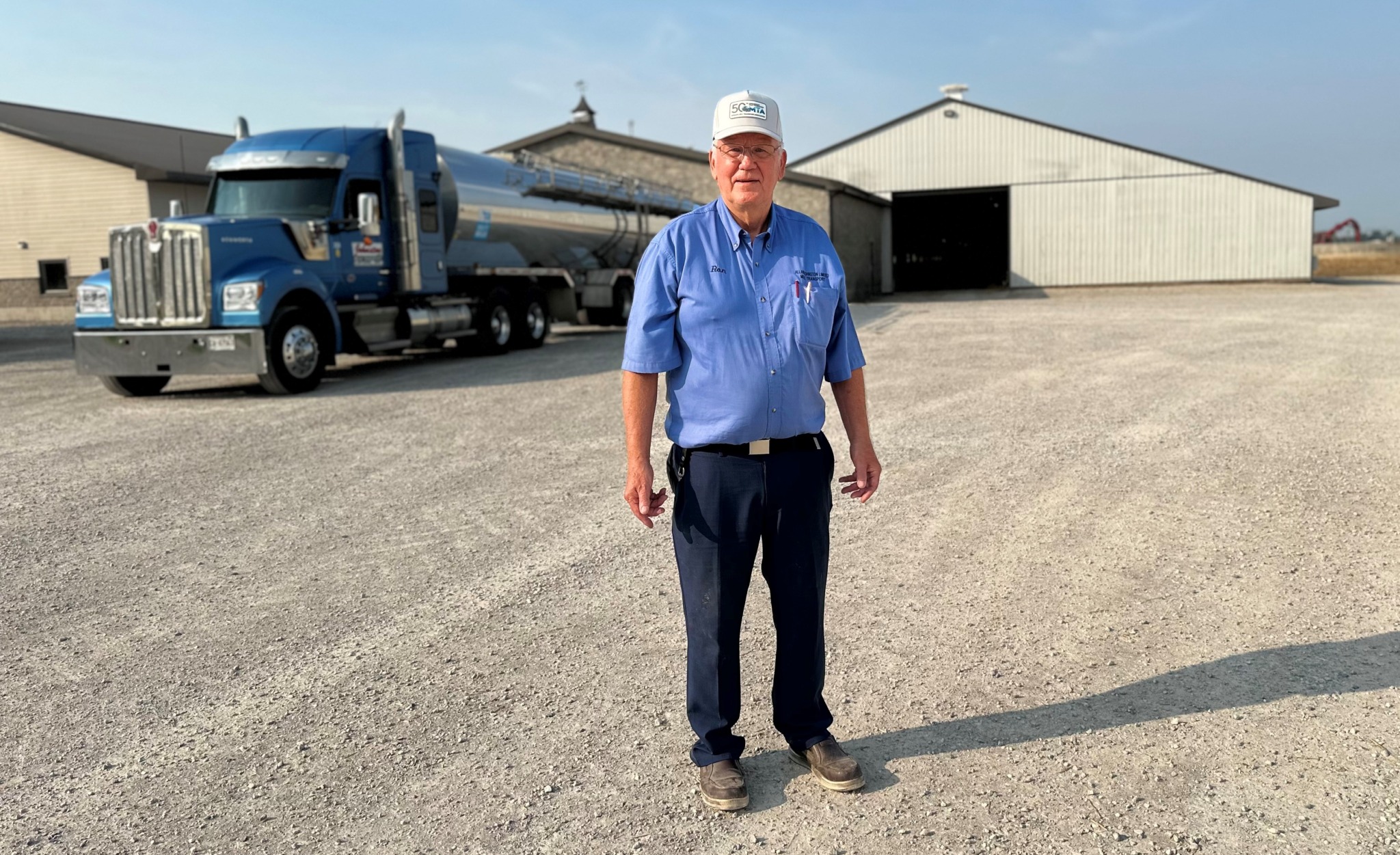
Despite those challenges, he says today’s trucks are significantly easier to drive than those he started with. Electronic systems, air-ride suspensions and disc brakes have transformed both comfort and safety, making long days far less physically demanding than they once were.
Traffic, however, has become much worse. Congestion that once built near Toronto’s airport now regularly stretches as far west as Milton, while rural routes that once offered an easy alternative have become crowded with traffic signals and growing communities.
Away from work, Bowles and his wife raised three children. Their two sons both became truck mechanics and drivers, while their daughter pursued a career in nursing. They also have five grandchildren.
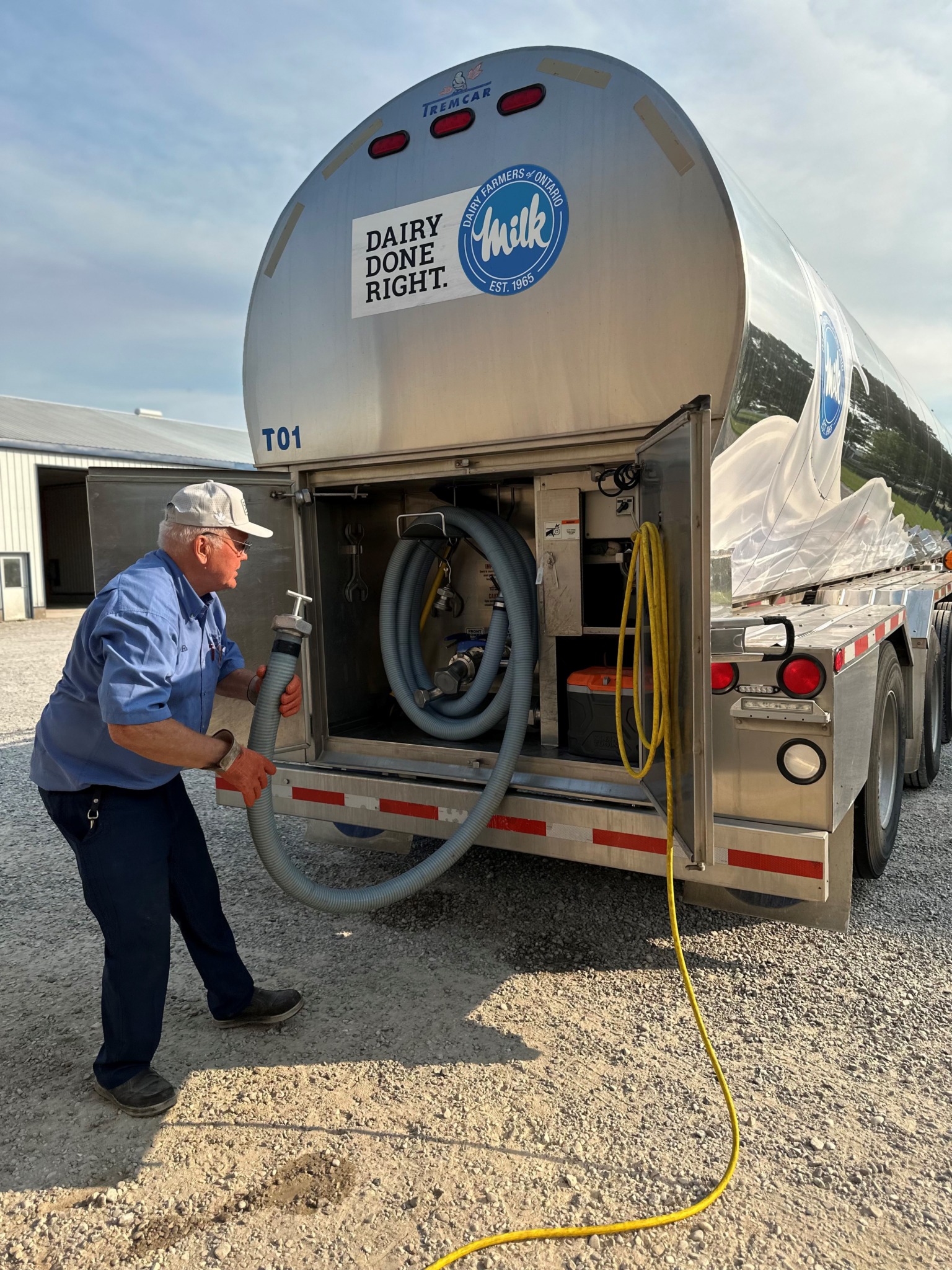
Even during his years as a dispatcher, Bowles rarely spent days off relaxing. He hauled cattle, grain, car parts and water for other local companies whenever they needed an extra driver because he simply enjoyed being on the road.
“I like the open road. I like to travel. When you sat in that office and looked out the same window for 36 years, the open road is something else.”
Asked what makes a good truck driver, Bowles doesn’t hesitate. Patience, he says, is more important than aggression, and learning to go with the flow is essential to staying safe behind the wheel.
After 52 years in trucking, Bowles still has no retirement date in mind. He plans to keep hauling milk until “my body quits or they piss me off.”

Have your say
This is a moderated forum. Comments will no longer be published unless they are accompanied by a first and last name and a verifiable email address. (Today's Trucking will not publish or share the email address.) Profane language and content deemed to be libelous, racist, or threatening in nature will not be published under any circumstances.