Illinois Tollway proposes 30% toll hike on trucks as part of $26.5B capital plan

Trucking companies moving freight through one of North America’s busiest transportation hubs could soon face significantly higher toll costs under a proposed US$26.5-billion infrastructure program unveiled by the Illinois Tollway.
The 15-year capital plan, dubbed “Driving Connections,” would invest in roadway expansions, congestion relief projects, reconstruction and maintenance across the tollway system between 2027 and 2042. To fund the work, the agency is proposing toll increases effective Jan. 1, 2027, including a roughly 30% increase for commercial vehicles using I-PASS.
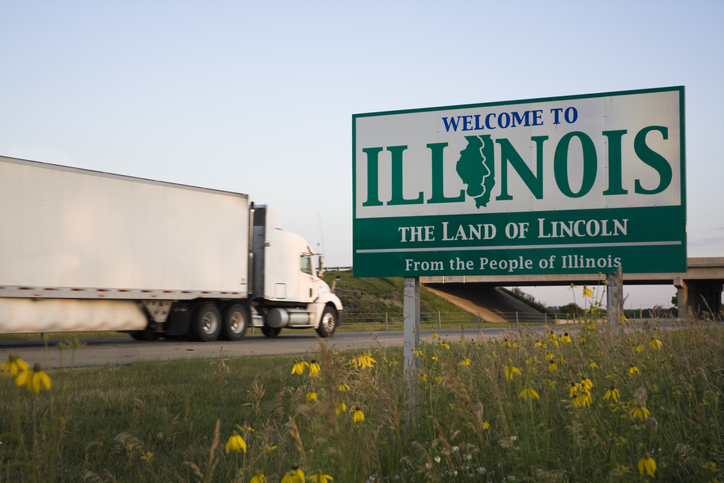
The increase would raise average commercial toll rates to about 90 cents per mile, adding costs for carriers operating in and around the Chicago region, one of the continent’s most important freight gateways.
Illinois Tollway Executive Director Cassaundra Rouse said the investment is needed to maintain a reliable transportation network that supports economic growth.
“The Illinois Tollway is more than just roadways — it’s a vital lifeline that connects people to the jobs, goods, healthcare, housing and opportunities they need to thrive,” Rouse said. “Driving Connections reinforces that mission by putting people first and ensuring our customers — and our state — are positioned for long-term success.”
Congestion relief a key selling point
Tollway officials argue the higher costs will be offset, at least in part, by improved traffic flow and reduced congestion.
Chicago remains one of North America’s most challenging freight markets, with chronic traffic bottlenecks affecting truck productivity, fuel consumption and delivery schedules.
According to the Tollway, previous infrastructure investments have delivered measurable improvements. Upgrades to the I-90 corridor completed in 2017 reduced travel times by about 25 minutes, while improvements to the I-294/I-57 interchange cut travel times by as much as 13 minutes.
For trucking fleets, those time savings can translate into lower fuel consumption, reduced wear on equipment, improved asset utilization and more reliable service.
The agency estimates the average Chicago-area motorist spends about 100 hours annually stuck in traffic, more than twice the national average. While the estimate is based on passenger vehicles, congestion-related costs are typically magnified for commercial fleets, where delays can disrupt delivery schedules and reduce driver productivity.
Rates indexed to inflation
The proposed 2027 toll increase would not be the last. Beginning in 2029, commercial and passenger toll rates would be adjusted every two years based on changes in the Consumer Price Index.
The Tollway noted commercial toll rates would remain within the range charged by toll facilities across North America, which it said currently vary from 14 cents to $2.25 per mile.
Unlike many highway agencies, the Illinois Tollway receives no state or federal tax funding and relies entirely on toll revenue and revenue bonds to fund operations and capital improvements.

Have your say
This is a moderated forum. Comments will no longer be published unless they are accompanied by a first and last name and a verifiable email address. (Today's Trucking will not publish or share the email address.) Profane language and content deemed to be libelous, racist, or threatening in nature will not be published under any circumstances.