Repowr launches TOP, trailer optimization platform

Repowr has launched a new trailer capacity planning and repositioning tool designed to help fleets better manage trailer utilization.
The platform, called TOP (Trailer Optimization Platform), aims to automate how fleets plan and reposition trailers, an area the company says has traditionally relied on manual processes such as spreadsheets and dashboards.
“There are a hundred square miles of idle trailers on any given day — not because fleets don’t care, but because trailer operations have never had a system built for execution,” said Chris Hines, CEO of Repowr, in the news release. “TOP is designed to change that. It lets operators set their strategy and then automatically execute it across their network without daily manual intervention.”
During a press conference at the Truckload Carriers Association convention in Orlando, Fla., Matt Harb, the company’s vice president of engineering, said the tool is being soft-launched now, with a broader public rollout expected later this spring. It was developed with industry partners and tested across several trailer networks prior to launch.
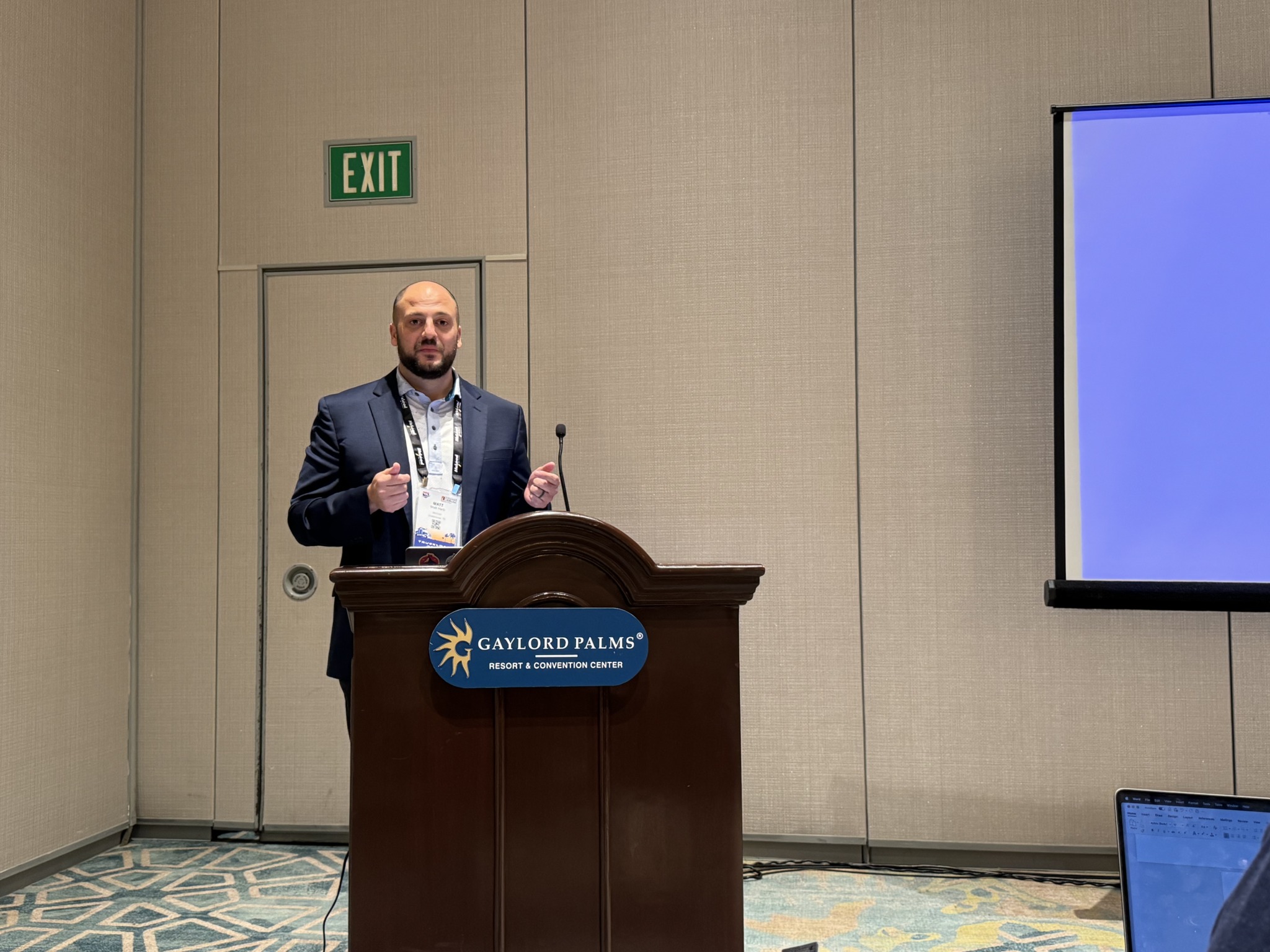
“Over the last few decades, fleets have really kind of optimized everything from trucks to freight lanes, routing, loads, pricing, fuel, docks — but trailers largely have been the most neglected networks,” Harb said, adding that repositioning decisions are often handled manually, forcing fleets to rely on costly moves when imbalances occur.
Fleets often resort to paid repositioning moves that can cost about $500 per move on average before accounting for internal labor, Harb said. He also cited industry data suggesting trailers sit idle roughly 40% of the time, not including additional empty miles driven to reposition equipment.
According to the company, the system provides visibility into trailer supply and demand across markets and lanes, allowing operators to set utilization targets and thresholds for specific locations. Once those parameters are set, the platform continuously monitors fleet conditions and generates repositioning opportunities automatically.
Harb said the platform integrates with fleets’ existing systems rather than replacing them. “We’re not a TMS. We layer onto your current infrastructure. We bring in daily trailer data, your trailer attributes, your location visibility, and then we connect to telematics,” Harb said.

Have your say
This is a moderated forum. Comments will no longer be published unless they are accompanied by a first and last name and a verifiable email address. (Today's Trucking will not publish or share the email address.) Profane language and content deemed to be libelous, racist, or threatening in nature will not be published under any circumstances.