Fleets cite safety, financial gains with intelligent speed assist

In the years since the Covid-19 pandemic, traffic fatalities have been rising. While there are many theories about why this is happening, new research is showing that emerging technology can help reverse the trend.
“One thing that we haven’t necessarily talked about is the fact that the proportion of those fatalities that are related to speeding is increasing,” said Sarah Yahoodik, an engineering psychologist at the U.S. Department of Transportation Volpe Center. “About 30% of traffic fatalities currently are attributed to speeding of some kind.”
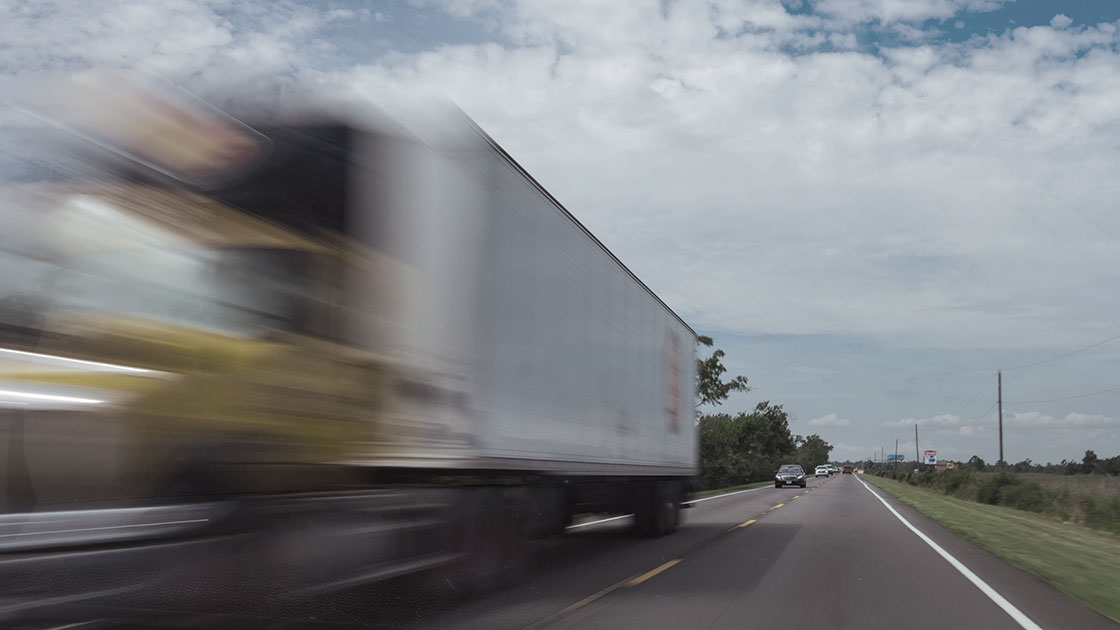
Yahoodik and Daniel Patterson, director of safety for truckload carrier Western Express, were among the speakers on a recent webinar hosted by the non-governmental organization Together for Safer Roads. The focus was intelligent speed assist (ISA), a technology that actively throttles the vehicle to prevent it from exceeding the posted limit or a specified threshold above it.
Unlike a passive ISA, which provides an auditory or visual alert that can be overridden or ignored, an active ISA will limit speed. It does this by reducing acceleration — but not applying the brakes — in response to a change in the speed limit.
Yahoodik is one of the authors of a new study by the Insurance Institute for Highway Safety on best practices for implementing active ISA in commercial vehicles. “Fleets with active ISA found that ISA can meaningfully reduce speeding and associated safety risks and even promote cost savings,” the report concluded.
One of the 13 fleets involved in the study estimated a 30% reduction in preventable collisions after ISA installation. There are also important indirect benefits, including financial gains from reduced maintenance costs and fewer speeding ticket expenses.
Additionally, CSA scores improved, and because insurance costs can be tied to these scores, fleets “were able to stabilize or even reduce their insurance costs,” the report said.
Even when an accident occurs, having active ISA technology is likely to help avoid a nuclear verdict. “ISA was cited by some fleets as a way to illustrate that they were doing everything in their power to make sure that the fleet and their drivers were driving in a safe manner and avoiding speeding,” Yahoodik said.
Western Express an early adopter of ISA
Western Express began testing ISA from E-SMART back in 2019 on 100 trucks. Patterson said the Nashville, Tenn.-based fleet saw a 53% reduction in speeding violations and a 50% drop in the severity of those speeding violations in the first year.
Along with collision mitigation technologies, Western Express also achieved a 56% improvement in the average dispatch miles per accident. As a result, it went ahead with a full ISA installation across its full fleet of 3,600 truck starting in 2020.
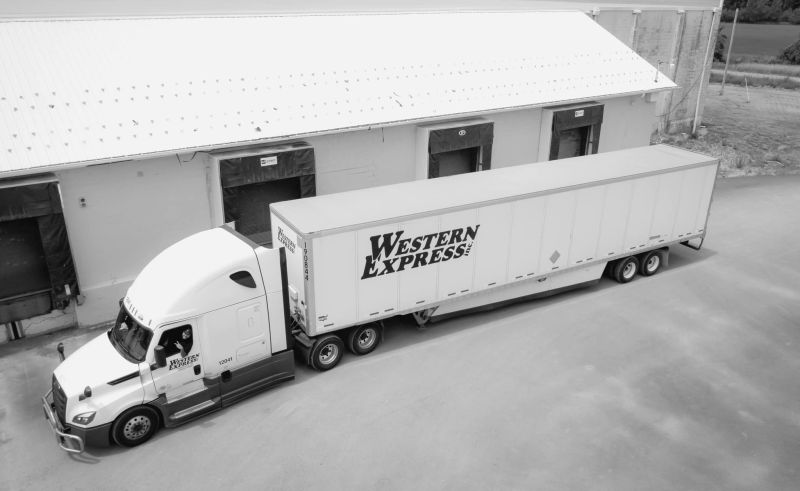
Patterson said Western Express continues to see safety benefits from ISA, including a 22% reduction in weather-related incidents from geofencing in the first quarter of 2026, compared with the average of prior years.
Yahoodik said that the New York City Department of Citywide Administrative Services implemented an active ISA pilot with 400 vehicles and an 11 mph speed buffer.
The results showed a 50% speed reduction on 25-mph roads and an 82% reduction on 50-mph roads. This showed that active ISA was an effective safety tool, even with habitual speeders, Yahoodik said.
Avoiding bridge strikes, theft prevention among other benefits
Another fleet in the IIHS study recorded a nearly 90% reduction in bridge strikes. By restricting access to areas with low bridges, drivers were unable to reach them, avoiding potentially thousands of dollars in damage.
Patterson said that Western Express has nearly eliminated bridge strikes, with one incident taking place “at a very, very, low speed, which in turn also reduced the cost significantly.”
Active ISA technology has become an additional theft prevention tool for Western Express, as it can immobilize equipment if needed.
Patterson shared a story of two trucks being stolen on a Saturday night in New York City. Although the thieves were savvy enough to disconnect the electronic logging devices and disable GPS signals, they were unaware that the ISA also provides GPS location data. That allowed law enforcement to track down the trucks and get them back to Western Express.
One fleet in the IIHS study even credited ISA for helping avoid a potential catastrophe when a driver experienced a seizure while behind the wheel. The technology assisted by “preventing acceleration, suggesting that speed-limiting can mitigate risks during medical emergencies,” the report said.
Ensuring geofencing accuracy
Conversely, the report found that the most common issue cited by fleets was geofencing inaccuracies. For example, the ISA might limit a truck on an on-ramp to the speed limit of a parallel surface street, fail to detect a speed limit related to new work zones, or fail to have up-to-date speed limit information.
One fleet in the study said this is why it was important to have an override button during speed limit transitions, because it can take several seconds for the next speed limit to take effect.
Patterson said the majority of Western Express’ speeding incidents now occur on downhill slopes when the driver is not controlling their speed, or areas where the speed limit has changed but the ISA has not yet slowed the driver.
Looking ahead, he said that Western Express was testing additional capabilities, including geofencing to limit top speeds in sensitive areas such as school zones.
The fleet is also experimenting with widening speed zones to secondary routes when bad weather requires rerouting. For example, if the speed limit on that secondary route is normally 45 mph, Western Express might want to limit trucks to 40 mph due to the expected weather conditions, Patterson said.

Have your say
This is a moderated forum. Comments will no longer be published unless they are accompanied by a first and last name and a verifiable email address. (Today's Trucking will not publish or share the email address.) Profane language and content deemed to be libelous, racist, or threatening in nature will not be published under any circumstances.