Global shipping rates soar as retailers race to beat looming tariffs
Christmas is coming early this year. And it’s pushing up shipping rates.
A glut of early wholesale orders for everything from holiday decorations to home furniture has propelled maritime shipping costs to four-year highs as a result of tariff uncertainty and the Iran war, with potential repercussions for consumers.
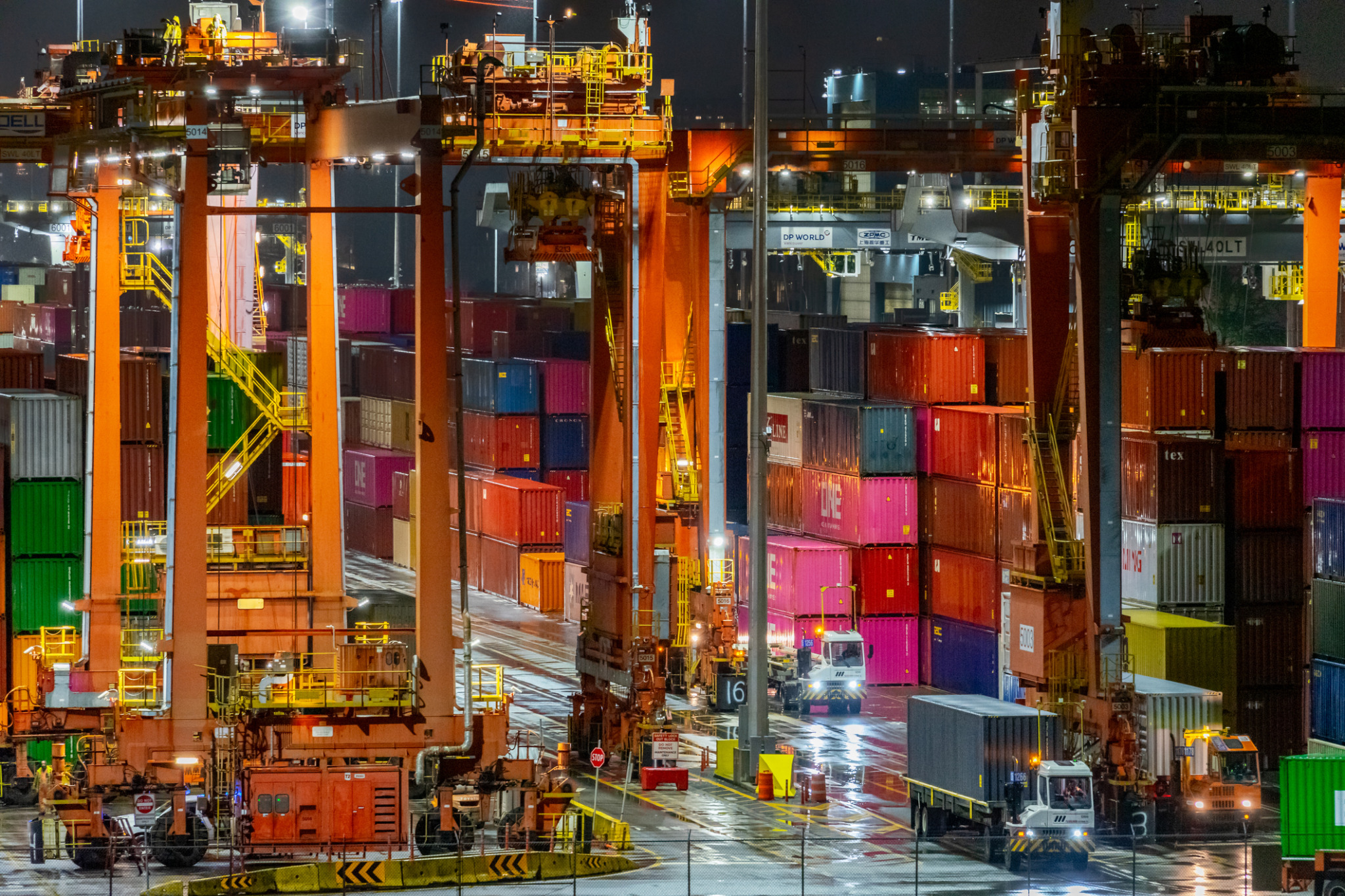
Industry specialists say retailers and importers — especially in the United States — are rushing to book shipments to get ahead of a potential fresh round of U.S. tariffs on scores of countries that’s expected near the end of July.
The surge in demand is boosting seaborne transport prices across the globe.
“Taken together, the early start to peak-season demand is the main cause of spiking freight rates,” said Judah Levine, head of research at shipping platform Freightos.
Typically, August through mid-October marks the busiest period for ocean freight, as cargo vessels haul goods to North America and Europe from Asia in the run-up to the fall shopping spree — “from back to school to Halloween through Thanksgiving and then into the holiday period,” Levine said.
He attributed the “front-loading” primarily to presumed tariffs, but also to fuel price increases that stem from the months-long closure of the Strait of Hormuz.
Large shippers have long-term contracts with carriers where fuel costs are adjusted quarterly. The higher fuel expenses those carriers incurred over the past three months will be passed along to shippers starting this summer, Levine said.
Similar arrangements between importers and manufacturers — whose costs have also gone up due to the spike in energy prices — give shippers all the more motivation to get their orders in now.
“In this sense, part of the early jump (in shipping) is an indirect impact of the Hormuz closure,” Levine said.
According to the Platts Container Index, global shipping rates for containers leaped about 80% in the 30 days ended June 24 to hit their highest level since April 2022, when pandemic-related supply chain problems peaked.
Rates close to home have vaulted even higher. The average price of a 40-foot container hauled from East Asia to North America’s west coast climbed 117% over the past five weeks to nearly $7,000, according to Freightos.
Angst over potential U.S. levies of at least 10% on countries undergoing an American probe into forced labor practices makes up part of the explanation. So does the fragility of the United States-Mexico-Canada Agreement, whose July 1 renewal deadline just passed.
The White House said last month Canada is among the 59 countries plus the European Union that should be subject to an additional tariff over allegations they allow goods produced by forced labor into American supply chains. However, the vast majority of merchandise exported to the U.S. from Canada is compliant with the existing continental trade pact and exempt from levies.
As for the July 1 renewal deadline on that deal, Corey considers it “much ado about nothing,” as do most business leaders. Nonetheless, the uncertainty lingers, prompting companies to play it safe and order supplies before the situation shifts.
“All this ambiguity creates a frenzy of booking, which drives prices up,” said Lisa McEwan, co-owner of customs brokerage Hemisphere Freight. “I’m telling all of my clients, ‘Get it booked, get it shipped.’ ”

Have your say
This is a moderated forum. Comments will no longer be published unless they are accompanied by a first and last name and a verifiable email address. (Today's Trucking will not publish or share the email address.) Profane language and content deemed to be libelous, racist, or threatening in nature will not be published under any circumstances.