Your shop as a competitive advantage

I recently attended an industry event that included a presentation from the CEO of a Top 100 Canadian fleet, in which he discussed having to run a more efficient operation during the industry’s downturn.
He talked about cutting back on equipment, staff and company events but did not address the shop. Depending on how a company runs its operation, the shop can be where you can tighten up the most.
For trucking companies that operate their own maintenance shops, efficiency is a powerful competitive advantage. An in-house shop offers greater control over downtime, repair quality, and long-term fleet costs — but only if it is managed strategically. By improving processes, communication, and data usage, fleets can significantly increase productivity and reduce operational expenses.
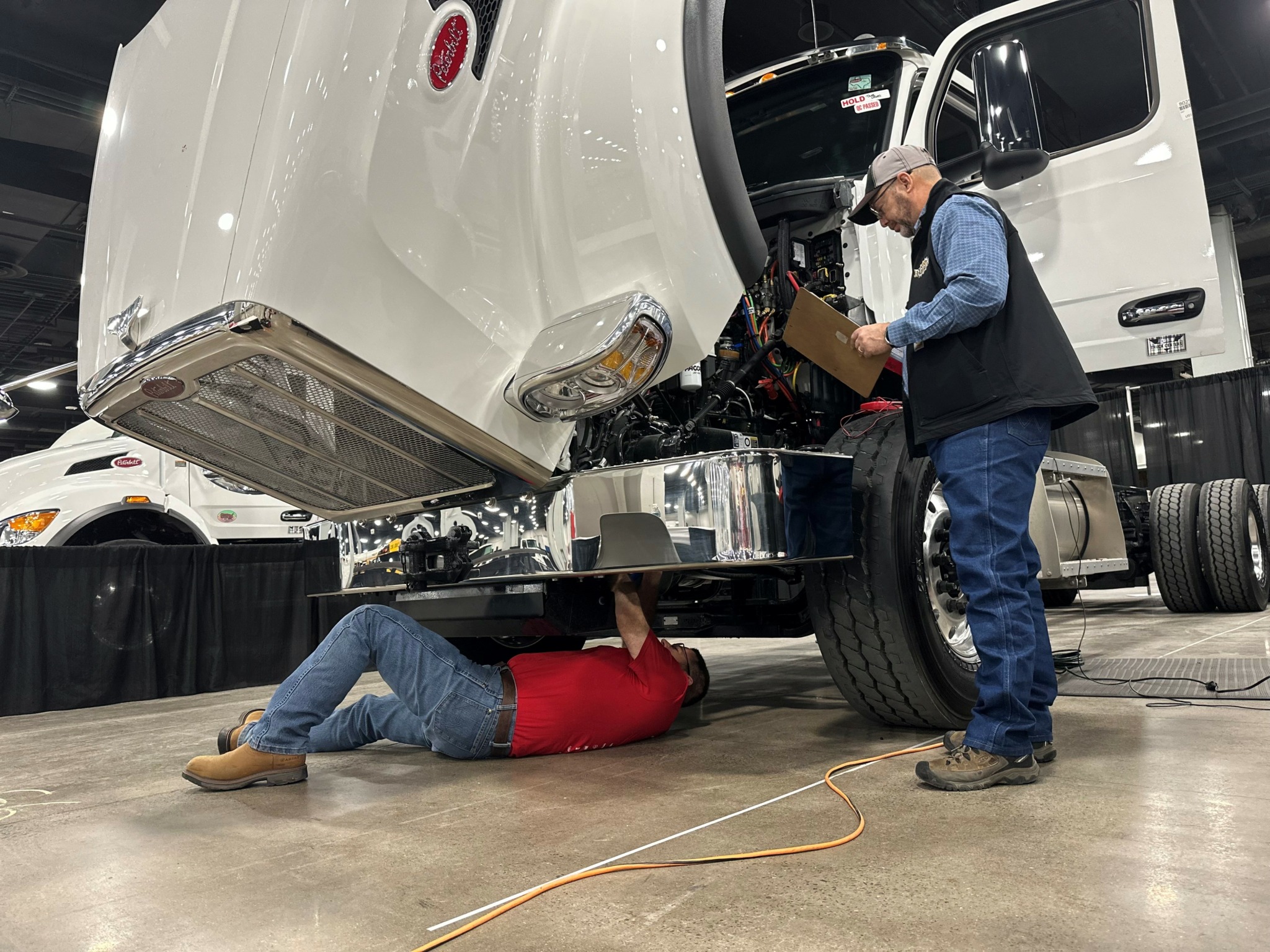
Prioritize PM over reactive repairs
Being proactive instead of reactive is one of the more obvious ways for a fleet maintenance operation to get ahead. Maintaining something in the care of your own shop is exponentially cheaper than an emergency repair at someone else’s shop, plus the often-related expense of a towing bill.
A structured preventive maintenance program reduces breakdowns, extends asset life, and stabilizes labor scheduling. Instead of reacting to road calls, technicians can work on planned service intervals. That in itself is more efficient.
Use mileage- or engine hour-based schedules supported by fleet management software. Track recurring failures to identify root causes. Preventive maintenance not only reduces costly roadside repairs but also improves driver satisfaction and on-time delivery performance.
Use data to drive decisions
When demonstrating fleet maintenance software, I ask people lots of questions about how they use data. These answers should be precise, but are often “hmm, I don’t know” or “I think so.”
Modern fleet management systems provide detailed insights into repair history, parts usage, technician hours, and vehicle performance trends. Shops that regularly review this data can identify inefficiencies such as repeat repairs, excessive idle time, or overstocked parts inventory.
When data is reviewed monthly, leadership can adjust staffing, inventory levels, and maintenance intervals to optimize performance.
Carrying too much inventory ties up capital, while carrying too little increases downtime. An efficient shop balances availability with cost control.
Standardize parts across the fleet whenever possible to reduce SKU variety. Implement inventory tracking systems that flag slow-moving parts and automatically reorder critical items. Building strong vendor relationships can also improve pricing and reduce lead times.
Stronger communication with drivers
Drivers are often the first to notice performance issues. A structured defect reporting system ensures concerns are documented clearly and addressed promptly.
Pre- and post-trip inspection reports should be reviewed daily. Encouraging drivers to report minor issues early prevents larger, more expensive repairs later.
Align maintenance schedules with operational demand. For example, schedule PM services during slower freight periods or overnight when possible. Coordinating maintenance with dispatch planning reduces disruption to revenue-generating activity.
An in-house shop can be one of a trucking company’s greatest strategic assets. By focusing on preventive maintenance, leveraging data, managing inventory carefully, optimizing workflow, and strengthening communication, fleets can reduce downtime, control costs, and extend equipment life. I like to say that if you don’t know how much you’re spending, you don’t know how much you’re making.

Have your say
This is a moderated forum. Comments will no longer be published unless they are accompanied by a first and last name and a verifiable email address. (Today's Trucking will not publish or share the email address.) Profane language and content deemed to be libelous, racist, or threatening in nature will not be published under any circumstances.