Alberta trucking faces cost pressures, regulatory gaps, market volatility

Alberta trucking companies say rising costs, uneven competition, insurance pressures, and workforce challenges are shaping operations, with carriers calling for stronger enforcement and a renewed focus on training and retention.
Industry representatives from a range of fleet sizes and sectors described a market where operating margins remain thin while expenses tied to equipment, parts, insurance, and compliance continue to climb. At the same time, some carriers say freight volumes and rates have not kept pace, intensifying pressure on business sustainability.

Real Durand, terminal manager with Sokil Group of Companies, said rate compression linked to unfair competition remains a central concern. He pointed to the continued impact of the Driver Inc. model, which he said suppresses rates and creates unrealistic expectations among shippers.
Durand said the imbalance between rising costs and stagnant revenue is squeezing margins in a sector that typically operates within a narrow profit range. He added that equipment maintenance is increasingly at risk as some carriers cut costs to remain competitive, contributing to safety concerns.
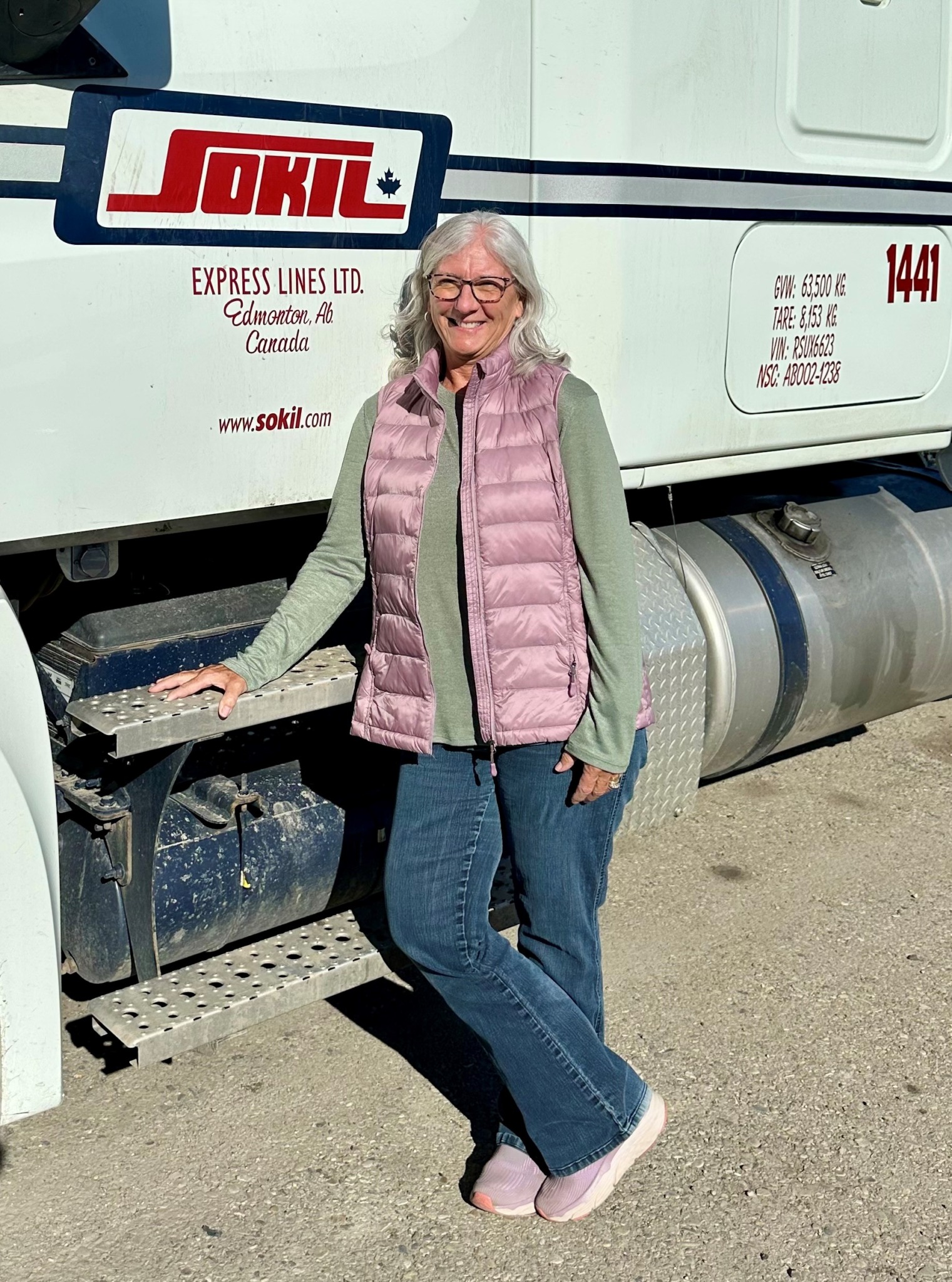
Kim Sokil, vice-president – IT director at Sokil Group of Companies, said parts costs have increased significantly in recent years and have not returned to pre-pandemic levels. She added that supply chain changes have reduced parts availability, forcing fleets to rely on special orders that increase costs and delays.

Fleets also pointed to broader economic conditions and market dynamics. Tim Comeau, fleet manager at Gravedigger Express, said freight volumes have been inconsistent over the past 18 months, although activity has picked up recently.
Smaller carrier challenges
He said high costs for fuel, insurance, and equipment remain ongoing challenges, particularly for smaller carriers.
Comeau said his operation has idle equipment due to a lack of qualified drivers, despite owning nine trucks. He added that training requirements and administrative demands have increased over time, adding complexity to operations.
Driver availability remains a recurring issue across segments. Trevor Currie, owner and general manager of Gateway Carriers, said his livestock operation requires experienced drivers due to the specialized nature of the work. Insurance requirements limit hiring flexibility, and he said it can be difficult to find candidates with the necessary skills.
Labor shortage
Currie added that workforce demographics are shifting, with older drivers retiring and fewer younger workers entering the industry. He said recent efforts to recruit younger drivers have had some success, but the broader pipeline remains a concern.
Jeff Rosnau, CEO of Whitecourt Transport, said labor shortages are part of a structural issue tied to demographics and immigration pathways. He said tightening immigration policies and inconsistent approval timelines are affecting hiring, leaving some drivers in limbo and disrupting workforce planning.
Uncertain economic conditions
Rosnau also cited global trade headwinds and volatility in key sectors, such as forestry, as factors reducing freight demand and limiting growth opportunities. He said uncertainty around economic conditions is making it difficult for carriers to plan long-term investments, adding that more focus is needed on practical, structural solutions rather than political rhetoric, with clearer direction from government seen as key to improving conditions for the industry.
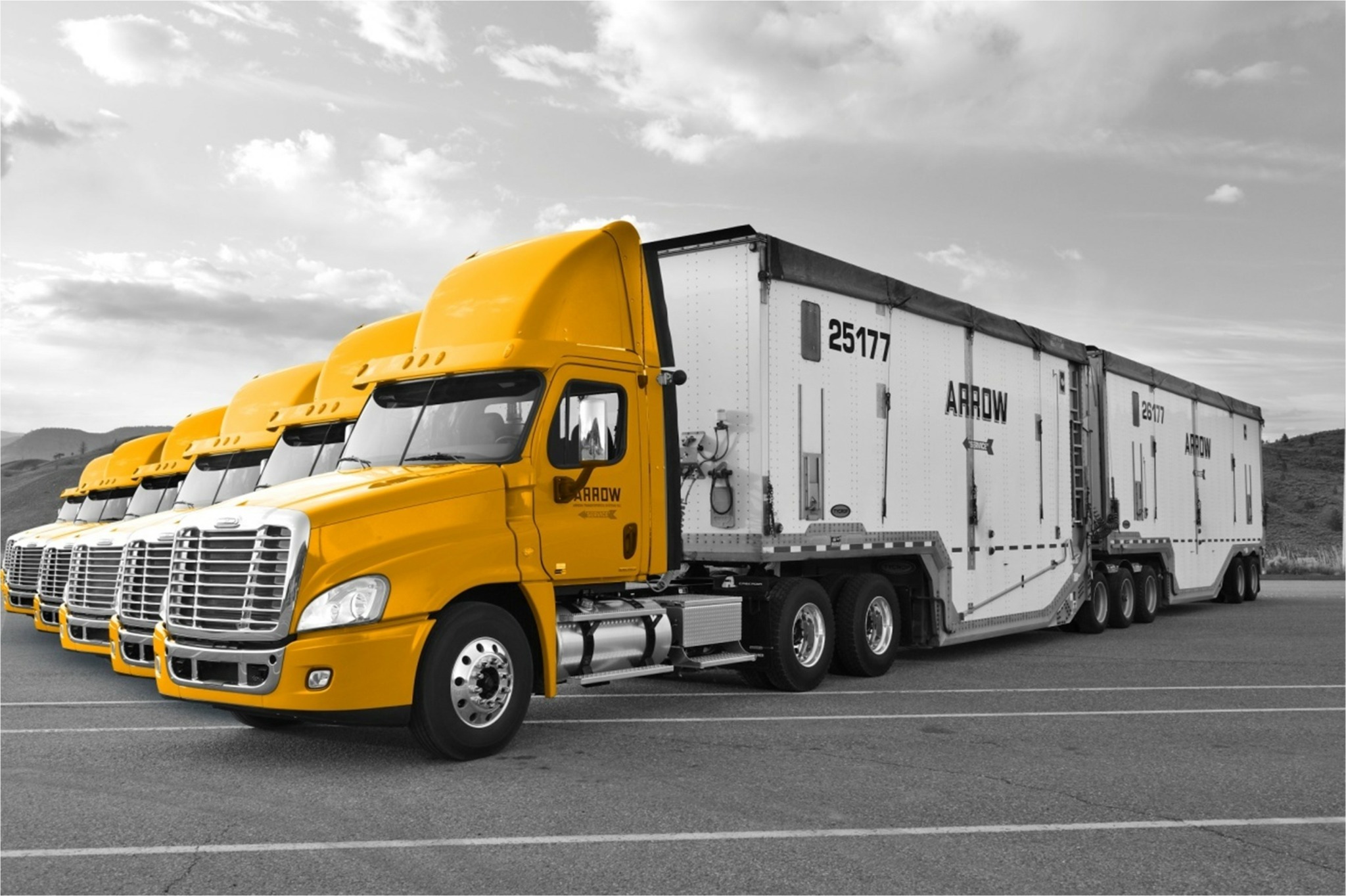
Insurance has emerged as another major concern. Matt Cook, director of HSE and operational risk at Arrow Transportation Systems, said Alberta’s “not-at-fault” insurance model has increased financial exposure for fleets.
Insurability concerns
Cook said his company has incurred significant costs from incidents where it was not at fault, with limited ability to recover damages. He expressed concern that insurers may respond by increasing premiums or reducing coverage for commercial fleets.
He added that the model creates uncertainty around future insurability and could have broader implications for the industry if insurers reassess risk.
Carriers also pointed to competitive pressures tied to pricing. Cook said load boards and procurement practices often prioritize the lowest rate, which can favor operators with lower safety and maintenance standards.
He said this “race to the bottom” creates safety risks and undermines fleets that invest in compliance, driver pay, and equipment maintenance.
Driver Inc. challenges
Robert Harper, president of the Alberta Motor Transport Association, identified Driver Inc. and economic conditions as key industry challenges. He said enforcement and policy measures remain a focus for advocacy efforts, along with addressing trade barriers and infrastructure limitations.
Harper added that regulatory alignment across jurisdictions remains an issue, particularly when infrastructure does not support consistent standards.
Operational costs continue to rise across multiple categories. Carriers said fuel costs are generally managed through surcharges, but equipment, parts, and compliance costs are more difficult to offset. Some fleets reported keeping equipment longer due to the high cost of new trucks.
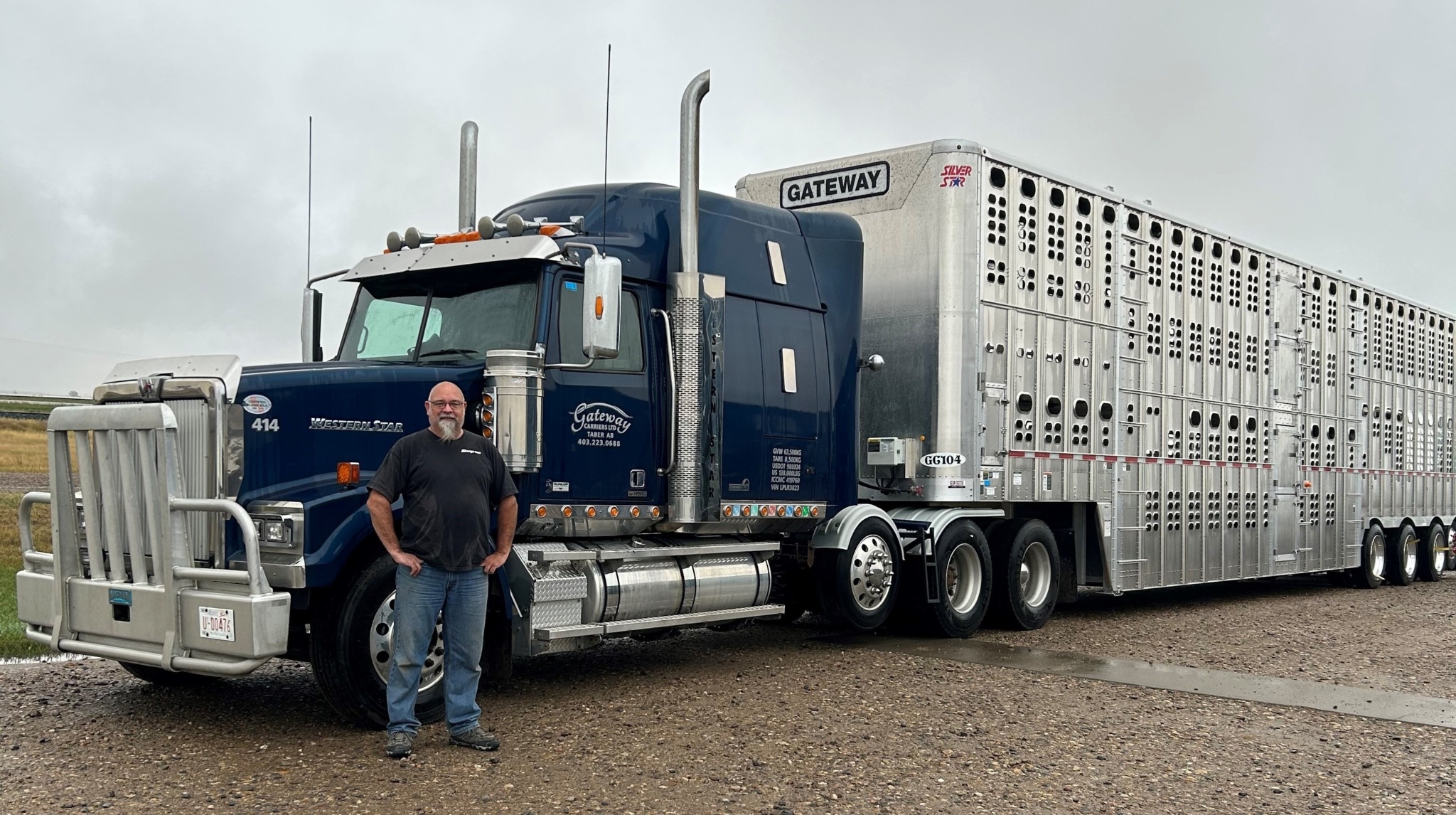
Currie said the cost of putting new equipment on the road has increased significantly, affecting expansion decisions. He also pointed to regulatory inconsistencies between provinces, particularly around weights and dimensions, which complicate operations and reduce efficiency.
As a livestock hauler, he said differences in allowable heights and weights can limit where equipment can operate, leading to additional trips and increased costs.
Technology and training were identified as areas of opportunity. Dale Howard, senior transportation manager at Pilot Flying J, said fleets need to better understand operating costs and invest in driver training.
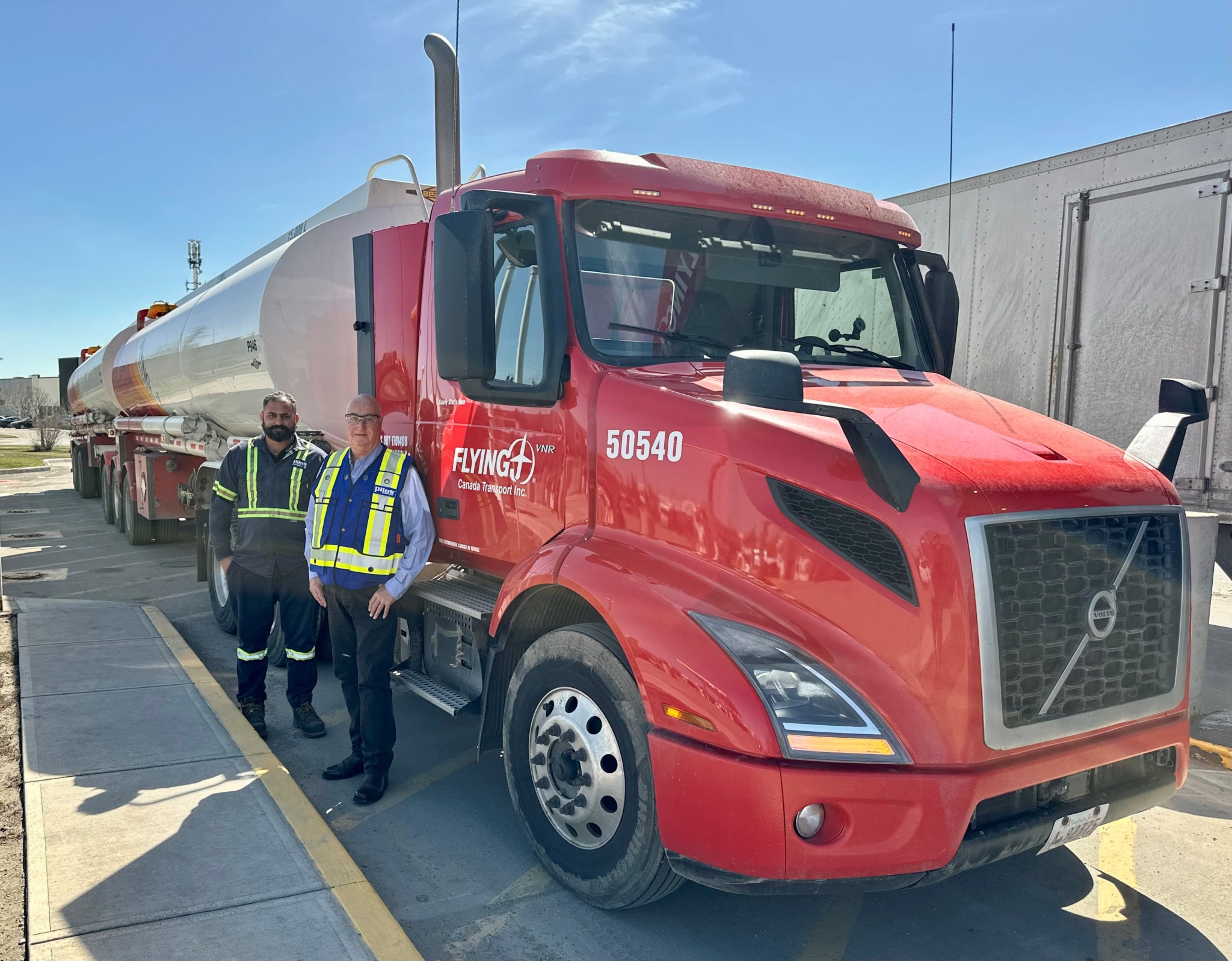
Howard said his company uses telematics and safety systems, but only reviews driver-facing camera footage when events are flagged. He emphasized that training should be viewed as an investment rather than an expense and said retention strategies should receive more focus than recruitment.
He added that structured onboarding and progressive training can improve safety outcomes and driver confidence.
Call for stronger enforcement
Fleets also highlighted the need for stronger enforcement. Some operators said increased oversight could help address unsafe practices and level the playing field for compliant carriers.
At the same time, there are signs of market adjustment. Sokil Group of Companies’ Durand said some carriers have exited the market, which could help rebalance supply and demand over time. He added that shippers may need to reconsider partnerships with reliable carriers as capacity tightens.
Arrow’s Cook said consolidation has already occurred in some segments, with bankruptcies leading to driver movement between fleets. He added that stable, well-paying operations with consistent work are better positioned to retain drivers in this environment.
Elevated cost pressures
Despite the challenges, some carriers continue to invest and adapt. Whitecourt’s Rosnau said his company is maintaining capital investments while preparing for future demand, even as current conditions remain uncertain.

Fleets say cost pressures remain elevated across the board. Compass Transport CEO Sona Kaur Minhas pointed to fuel and insurance as persistent financial burdens, noting that while freight volumes have recently improved after a prolonged slowdown, profitability is still constrained by high operating costs.
She also indicated that delayed payments from customers can create additional strain on cash flow, adding another layer of uncertainty for carriers managing already tight margins.
Fleets said diversification, operational efficiency, and customer relationships are key to navigating the current environment.
However, they emphasized that broader structural issues that include enforcement, regulatory alignment, and workforce development will need to be addressed to support long-term stability in Alberta’s trucking sector.

Have your say
This is a moderated forum. Comments will no longer be published unless they are accompanied by a first and last name and a verifiable email address. (Today's Trucking will not publish or share the email address.) Profane language and content deemed to be libelous, racist, or threatening in nature will not be published under any circumstances.