Fuel spike pushes freight rates to multi-year highs: TD Cowen/AFS index

Soaring fuel prices and tightening capacity are driving freight rates to new highs across truckload, LTL and parcel, according to the latest TD Cowen/AFS Freight Index.
The Q2 2026 outlook points to a structurally higher-cost transportation environment, with all major modes expected to reach or approach record pricing levels as diesel prices surge and carriers maintain pricing discipline.
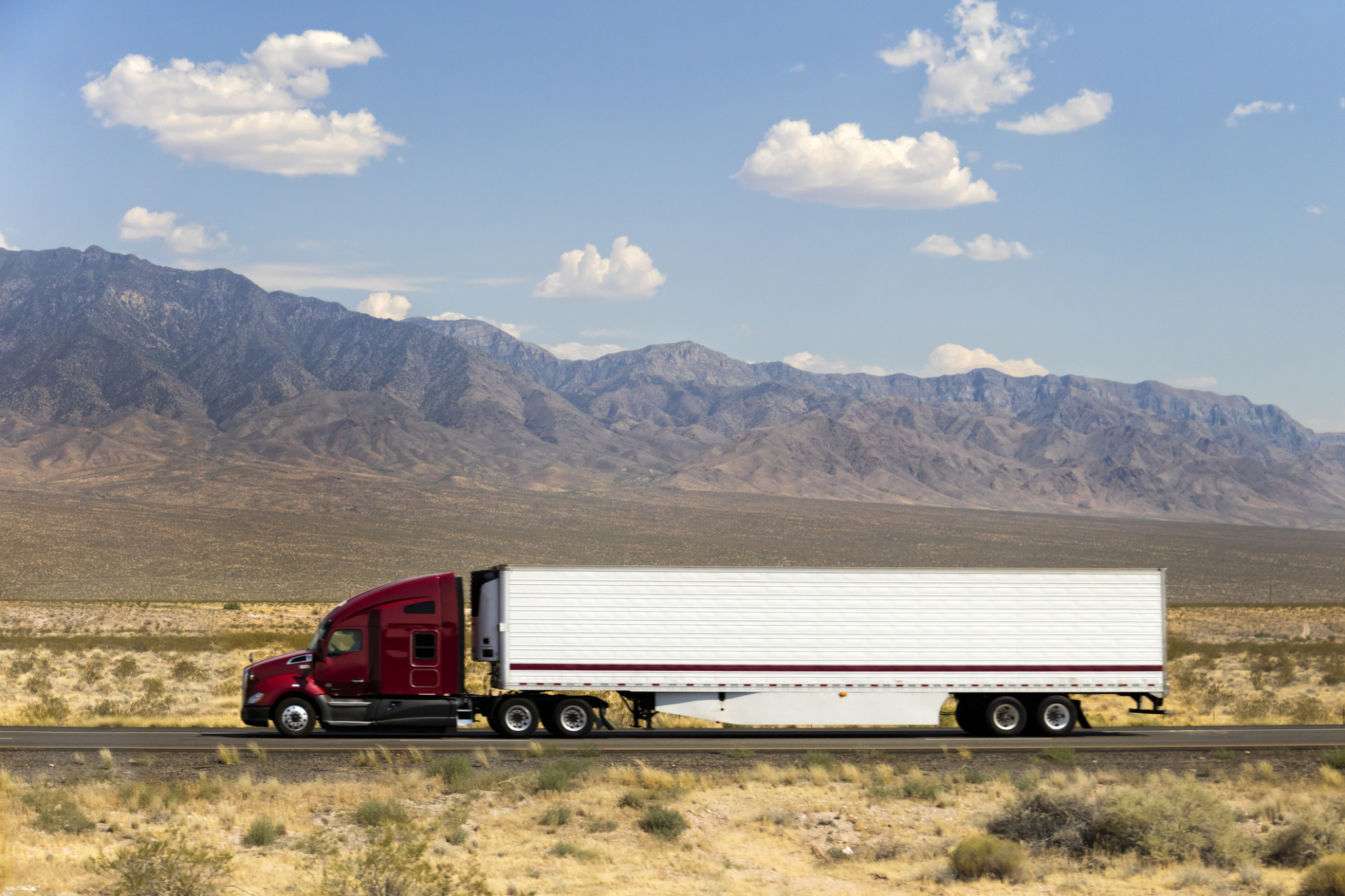
“Businesses should brace themselves for a new normal of elevated fuel costs,” said Andy Dyer, CEO of AFS Logistics, noting that fuel-driven pricing increases tend to linger even after underlying costs ease.
In truckload, rates are projected to hit their highest level since late 2022, driven more by constrained capacity than a broad-based demand rebound. Carriers exiting the market and tighter enforcement have reduced available capacity, pushing linehaul costs per shipment up more than 10% quarter over quarter in Q1.
The truckload rate-per-mile index is expected to exceed the January 2018 baseline by 10.1% in Q2 — the first time it has crossed that threshold in more than three years.
Parcel carriers are also capitalizing on higher fuel costs, using surcharges as a major revenue lever. While diesel prices rose about 10% year over year in Q1, ground fuel surcharges jumped 26.7%, with carriers including FedEx, UPS and others adjusting pricing structures to capture additional revenue.
“Carriers have used the fuel surcharge as a potent revenue generator for years,” said Mingshu Bates, chief analytics officer at AFS Logistics. “Now that we have sky-high oil prices dominating headlines, carriers have no reason to stop pulling that lever.”
Over a longer horizon, those pricing strategies are significantly outpacing inflation. A typical ground shipment that cost $22.52 in 2022 now costs $31.94 — a 41.8% increase compared to cumulative inflation of 15.1% over the same period.
In the LTL sector, rates are also climbing to record levels as higher fuel surcharges combine with stabilizing demand. The LTL rate-per-pound index is projected to reach 68.4% above the 2018 baseline in Q2, marking the 10th consecutive year-over-year increase.
“For quarter after quarter, LTL pricing stability seemed to hinge on carriers resisting the temptation to buy volumes with pricing concessions,” said Mich Fabriga, vice president of LTL pricing at AFS Logistics.
Early signs of a freight recovery are emerging, supported by improving manufacturing activity and modest gains in truck tonnage. However, the index suggests higher rates are being driven primarily by supply-side constraints and fuel-related cost pressures rather than a strong demand rebound.
The report is based on billions of dollars in annual freight spend across multiple modes and incorporates actual net transportation charges, including fuel surcharges and accessorials, to provide a forward-looking view of pricing trends.

Have your say
This is a moderated forum. Comments will no longer be published unless they are accompanied by a first and last name and a verifiable email address. (Today's Trucking will not publish or share the email address.) Profane language and content deemed to be libelous, racist, or threatening in nature will not be published under any circumstances.