Transportation

Speed Limiter Battle Heating Up in U.S. preview image Speed Limiter Battle Heating Up in U.S. article image

Speed Limiter Battle Heating Up in U.S.

WASHINGTON, D.C. -- A battle that has pitted fleets, truck drivers, associations and governments against one another over the issue of speed limiters on trucks in Canada is heating up south of the border in anticipation of new regulations. The National Motorists Association (NMA) and Owner-Operator Independent Driver Association (OOIDA) on Tuesday issued a joint statement questioning claims made by the fleet-backed group the American Trucking Associations (ATA) and it urging U.S. regulators that all trucks need speed limiters programmed to 65 mph.
Questions About Electronic Logging? Check This Out. preview image Questions About Electronic Logging? Check This Out. article image

Questions About Electronic Logging? Check This Out.

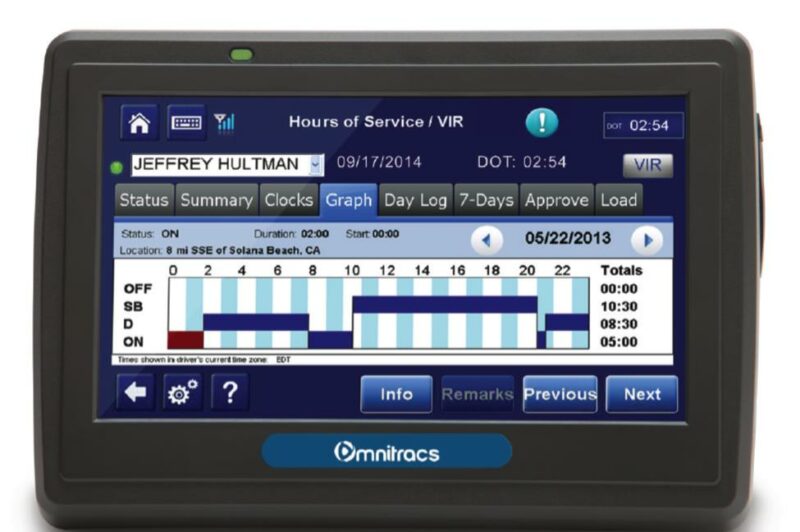
DALLAS -- As regulators move closer to requiring controversial electronic logging devices for most trucks operating in both U.S. and Canada, a new online resource is available to people who have questions about the devices and the rules. ELDfacts.com has been started by the fleet management services provider Omnitracs LLC, in anticipation of the U.S. Federal Motor Carrier Safety Administration mandate slated for a September release. The regulations are expected to take effect sometime later.

Drivers Handing Out Roses and Razzies to Shipping Facilities preview image Drivers Handing Out Roses and Razzies to Shipping Facilities article image

Drivers Handing Out Roses and Razzies to Shipping Facilities

TORONTO -- Two months since its launch, the Ontario Trucking Association (OTA) says its Operation Upgrade campaign is starting to reveal how shipping facilities need to do a better job of removing waste from the system and how drivers value preferred shippers who provide an environment free of harassment when picking up freight. OTA says it has gathered several takeaways since the initial launch of the survey campaign, which attempts to identify the strongest and weakest links in the supply chain by allowing drivers and carriers to assign scores to shippers and consignees based on treatment of truck drivers.