Readers speak out on maintenance: Parts and labor availability, costs, wait times cited as main issues

Fleet operators say maintenance can be one of the most unpredictable and costly parts of running a trucking business, especially when costs are driven by rising parts and labor prices, as well as availability.
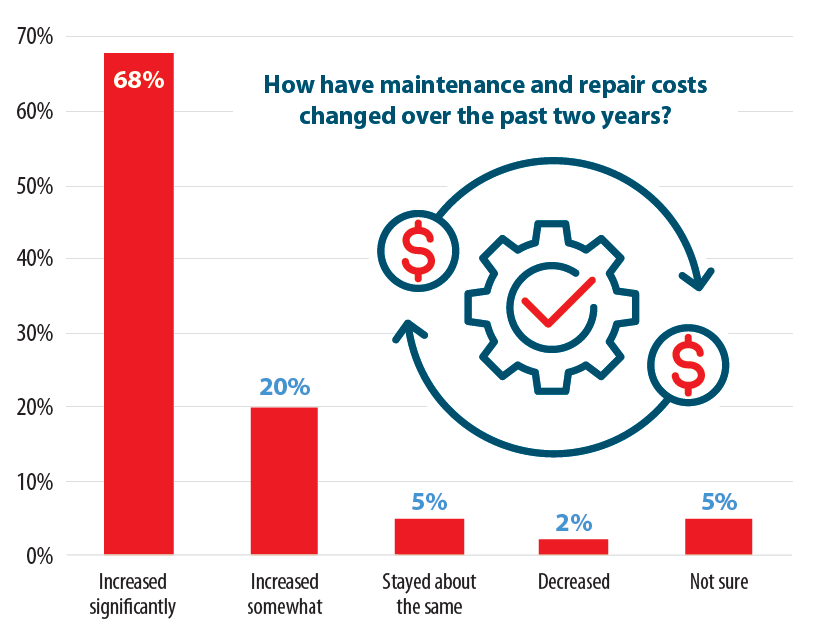
Nearly 70% of 322 respondents in our latest Pulse Reader Survey had indicated that maintenance and repair costs have increased significantly over the past two years, with another 19% reporting moderate increases.
Many of the readers said that behind those numbers is a growing sense that costs are no longer just rising, they are unpredictable. Some even called them predatory.
Parts pricing, availability dominate concerns
The overwhelming majority of respondents pointed to parts pricing and availability as the biggest issue affecting maintenance today.
“Probably the two biggest maintenance-related challenges I face are the cost of parts and service, and wait time to get the truck into a shop for repairs, sometimes up to a week or more,” one reader said.
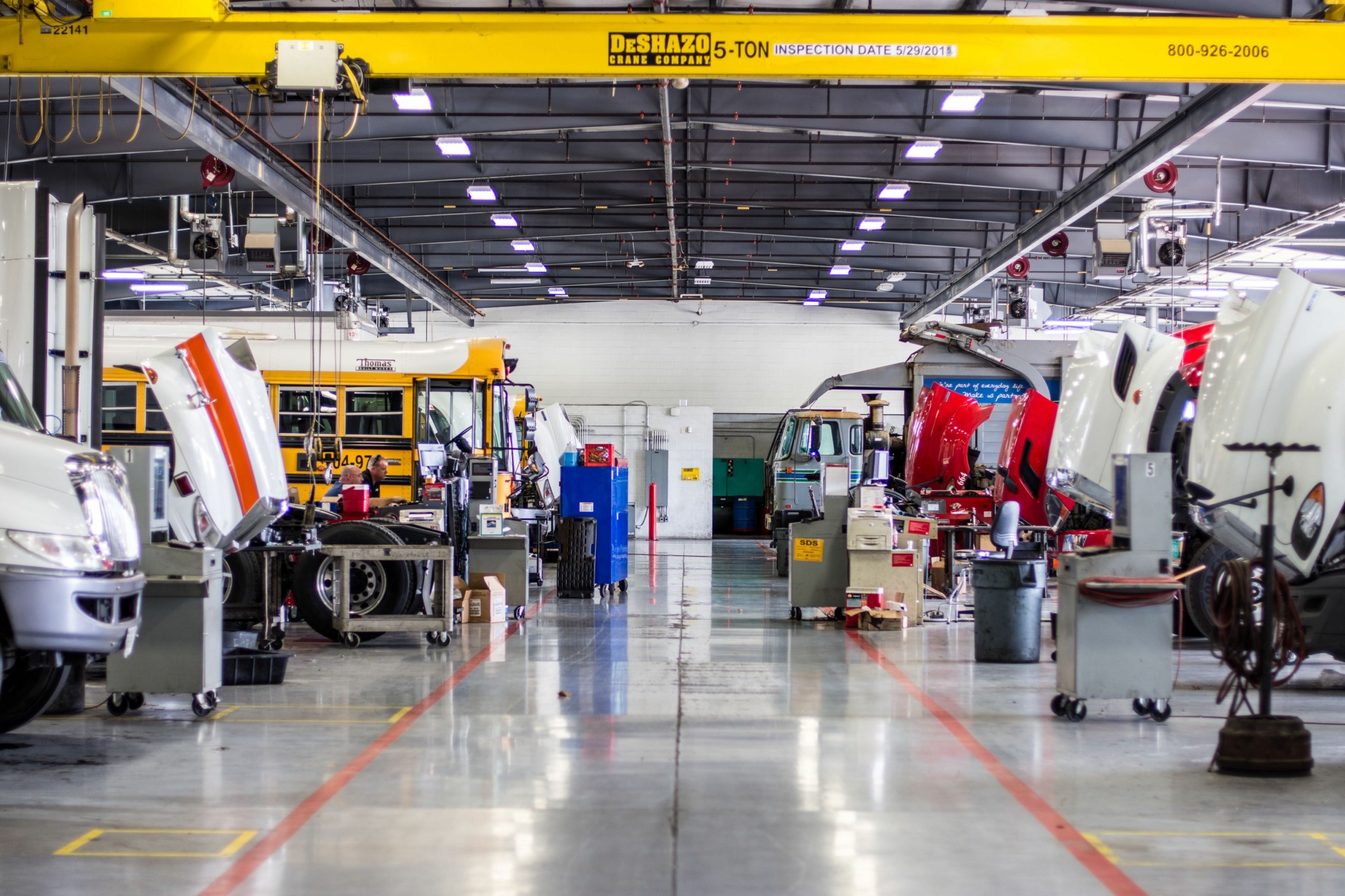
When asked what is driving maintenance cost increases, higher parts prices were cited by 85%, followed by labor costs (69%) and equipment complexity (60%). These factors were followed by parts availability (48%), limited availability of qualified technicians (39%) and older equipment (35%).
Many respondents said these factors are interconnected. More complex trucks require specialized diagnostics and tools, increasing labour time and costs, while also relying on more expensive and harder-to-source components.
“Parts prices have gone through the roof. Operating costs make it hard to be competitive,” one reader wrote.
Others said delays are just as damaging as the cost itself.
“Actually getting parts to the shop causes the most delays. The job is sorted, and the wait begins.”
Back-orders stretching into weeks — or even months — are forcing fleets to keep more inventory on hand or leave trucks sidelined for much longer than planned. One operator said that to stay in operations, they have to have extra equipment on the road while the other undergoes repairs.
Equipment complexity
Nearly 60% of respondents also pointed to equipment complexity as a major cost driver. This includes emissions systems and electronics, which were referenced in an overwhelming majority of written responses.
“Emission crap that doesn’t work. It causes a lot of downtime,” one wrote when asked about biggest maintenance-related issues they face.
Respondents frequently cited DEF systems, sensors, and aftertreatment components as recurring failure points, often leading to derates, breakdowns and extended downtime.
New equipment complexity is also forcing the industry to move maintenance further away from in-house service, some complained, saying that complexity is increasingly tied to OEM-controlled diagnostics and repairs.
“Much of the repairs that have to be done require a factory computer update which the dealer charges a flat rate [for], even with no work being done,” one respondent said.
Technician shortage slows repairs
Labor constraints are compounding the issue, with fleets and shops facing growing difficulty finding and retaining skilled technicians.
According to the survey, 77% of respondents said the technician shortage has worsened over the past two years. “Nobody wants to be a technician because of the complexity of the equipment, and the pay doesn’t match the training and knowledge required to repair the units,” one reader said.
“The biggest challenge remains finding techs. And when you do find some, it is the cost to keep them as labor rates have almost doubled in the last five years,” another one added.
That shortage is translating directly into longer repair times and increased outsourcing, sometimes even due to capacity limits. While most respondents using a mix of in-house and outsourced work, just under 10% of surveyed readers said they rely entirely on in-house maintenance.
“A lack of qualified technicians requires outsourcing the repair, and the other shop is backed up, meaning long delays in turnaround time,” one respondent said.
A few others citied issues with getting the appointments at the shops promptly. Some pointed to rising shop rates — one reader said that ‘predatory rate activity’ is reducing margins. All that, just to get and inconsistent service levels.
“We have had too many new parts that are wrong or have failed before the truck goes back into service,” one reader shared. “[They] put on a brand new steering box and it started leaking hours later. OEM parts company agreed the box failed and wasn’t the mechanics’ fault. I had to pay labor again to re-install the a new box.. again. Then had to wait six months to get a credit back from the parts company on the first failed box. Also installed a new steering shaft on another truck. he OEM part was built defectively. Same with the 2nd one they ordered in. I had to settle on rebuilding the old one after the OEM agreed there was a major problem with the complete assembly.”
Prolonged downtimes emerged as one of the biggest concerns, and yet 35% of respondents say they are increasingly ‘running old iron’, which adds to maintenance demand and increases the likelihood of breakdowns. “The high price of new vehicles makes it challenging to maintain a younger fleet, requiring us to operate existing trucks for longer periods,” one of many respondents summed up.
Maintenance cost management
To manage rising costs, fleets are leaning heavily on preventive maintenance, with nearly 89% of respondents identifying it as their primary strategy.
Other approaches include buying parts in bulk (33%), delaying non-critical repairs (25%), and using telematics to monitor vehicle health (24%).
But many say these measures are not enough to offset broader pressures. “Costs continue to rise at an almost monthly pace,” one respondent said.
About 24% of respondents said they use telematics regularly for maintenance, while 32% use it occasionally and 34% do not use it at all. Of those using it, most rated its effectiveness as moderate, suggesting that fleets are still working to fully integrate the technology into maintenance strategies.

Have your say
This is a moderated forum. Comments will no longer be published unless they are accompanied by a first and last name and a verifiable email address. (Today's Trucking will not publish or share the email address.) Profane language and content deemed to be libelous, racist, or threatening in nature will not be published under any circumstances.