Urban Upgrade: Volvo VNR redefines regional haul expectations

Regional haul tractors were never meant to be the most luxurious trucks on the road. Why bother with high-end styling when they’re going to get banged up anyways? And it’s not like the driver will be living in the cab, so we can forgo many of the driver amenities demanded by linehaul fleets.
But with its new VNR regional haul tractor, Volvo has turned that thinking on its head. In the VNR, it offers all the safety technologies, amenities and comforts of its on-highway VNL model in a tighter package designed to deliver the nimbleness and agility required of city driving.
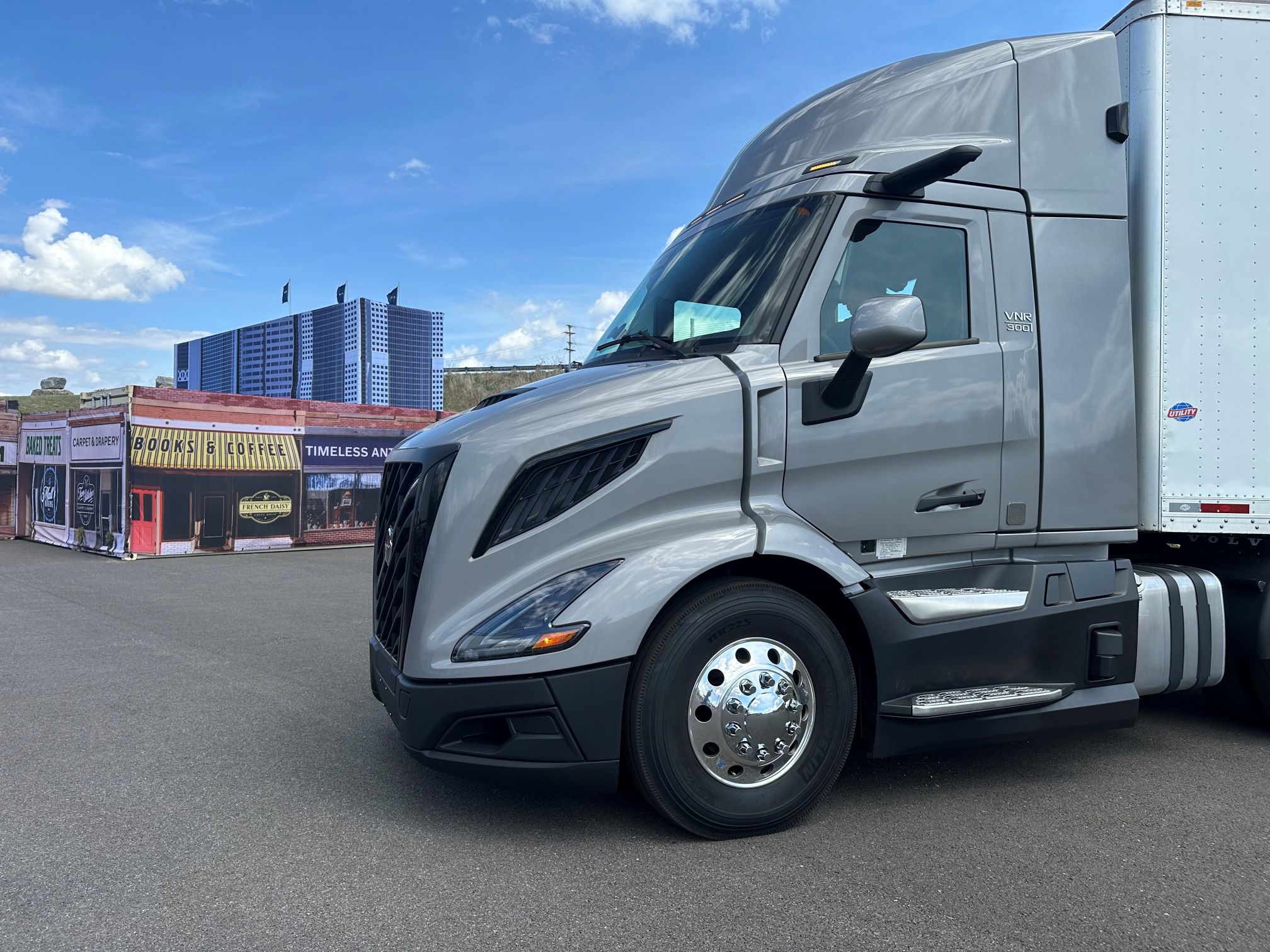
The new VNR, which was made available to trucking editors for inaugural drives at Volvo’s Customer Center March 31, proved to be a truck that blended cabover-type agility with highway truck comfort.
The turning radius is exceptionally tight — almost shockingly so for a conventional. On a makeshift city course at the Customer Center, the VNR carved through tight corners like it had no business being that nimble.
Shorter BBC
Volvo engineered the VNR around the demands of regional haul, combining a short bumper-to-back-of-cab dimension with a 50-degree wheel cut and a front-end layout designed to thrive in tight spaces.
The result is a truck that can execute tight 180-degree turns with ease — exactly the kind of capability required in urban delivery, tanker work, and crowded job sites.
“That’s the big difference,” said Volvo product marketing manager Duane Tegels from the passenger seat as I weaved through the course. “The turning radius and the view out over the front — that’s what really sets this apart.”
That impression is reinforced by the visibility. The sloped hood and aerodynamic shaping don’t just improve fuel efficiency — they also improve sightlines. You have to make an effort to see the hood.
What’s more surprising is how refined the experience is once you’re behind the wheel.
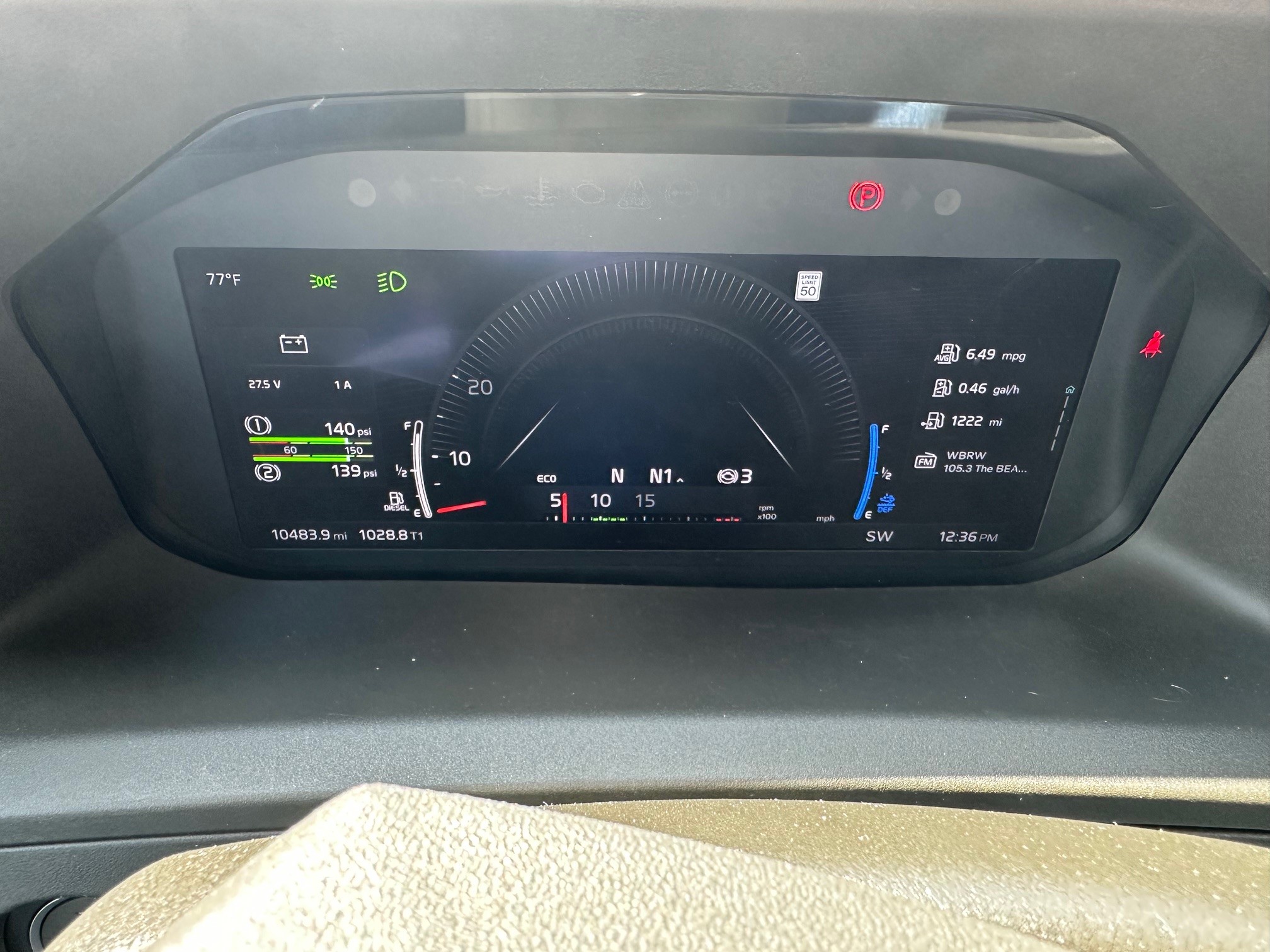
This is a regional hauler, but it’s better appointed from a technology and driver comfort standpoint than you might expect. In fact, it’s every bit as comfortable to drive as Volvo’s VNL highway truck.
“It’s got all the luxuries of the VNL, just in a tighter package,” Tegels said.
Volvo Dynamic Steering plays a big role in that.
With the system disengaged, the truck behaves as expected — stable and predictable, with a familiar level of steering effort. Engage it, and the difference is immediate. Road shocks are filtered out, steering effort drops significantly, and low-speed maneuvering becomes almost effortless.
On a section of rumble strips designed to highlight the system, the steering wheel barely moved — even with hands off. In tighter maneuvers, it was possible to turn the wheel with a single finger.
“Over the course of a day, that reduction in effort really adds up,” Tegels said.
He’s right. In a regional application where drivers are constantly turning, backing, and working in tight environments, that reduction in fatigue isn’t just about comfort, it’s about productivity, and it impacts driver alertness over the course of a shift.
The VNR also includes features designed specifically for that kind of work. Low-speed creep functionality allows the truck to move smoothly without throttle input, letting drivers focus on positioning and surroundings rather than modulating the pedal while in stop-and-go traffic.
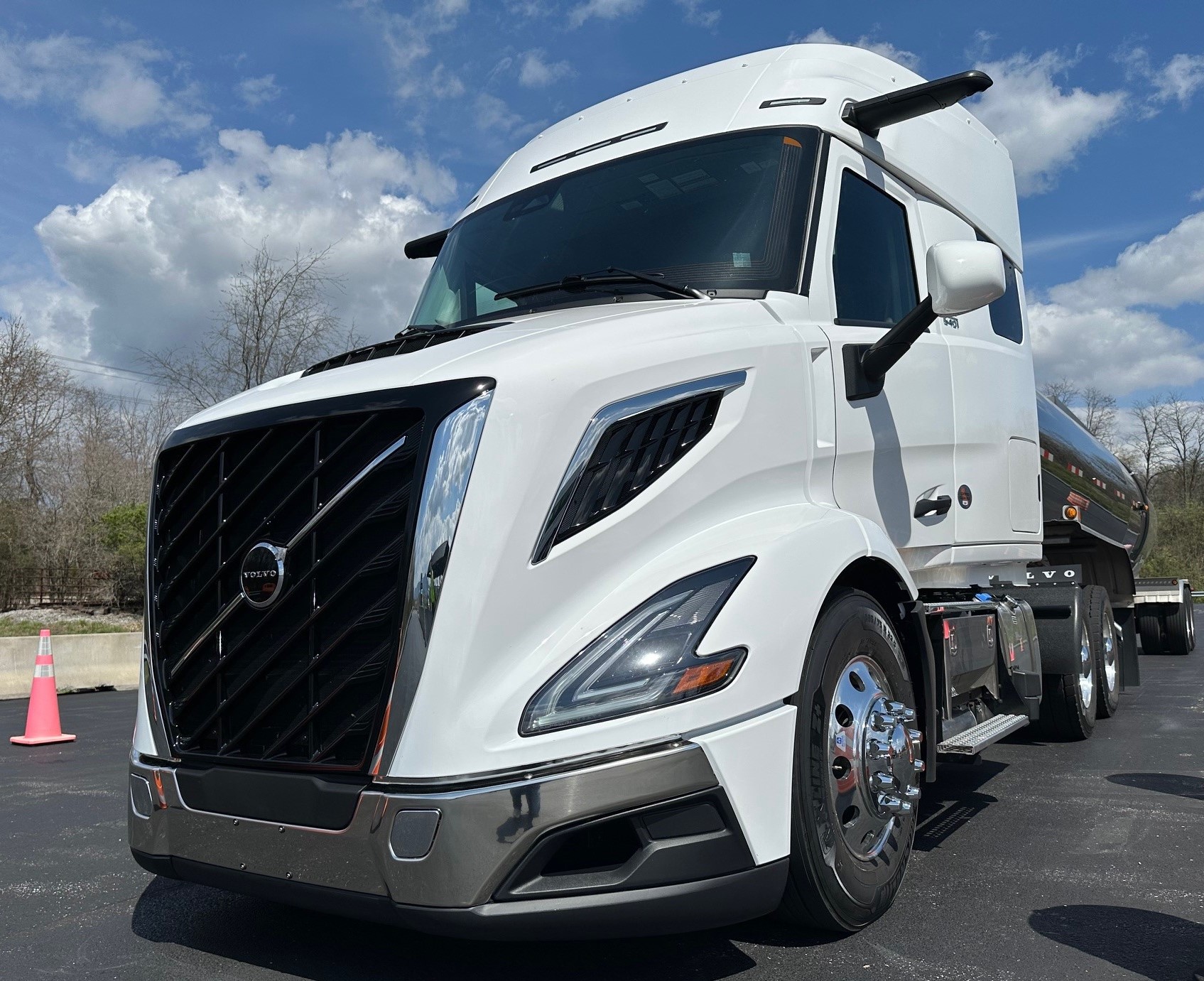
Out on the highway loop, the VNR continued to deliver.
The powertrain is no slouch. In a tanker configuration grossing more than 80,000 lb., the truck handled a 6% grade on the test track without breaking a sweat. Power delivery was smooth and consistent.
On the highway track, Volvo senior product manager John Moore walked through some of the systems that support that performance.
Faster shifting
Drivers can toggle between fuel-focused and performance-oriented drive modes, with the truck adjusting shift points accordingly. It’s subtle in steady-state driving, but under load the difference becomes more apparent. Refinements to the I-Shift transmission allow 30% quicker shifting for improved efficiency.
More impactful is how the truck manages speed on descents.
A downhill cruise control feature allows the driver to set a target speed while descending a grade, with the truck automatically selecting gears and applying engine braking to maintain it.
“You hit the button at your current speed, and then you can adjust from there,” Moore explained. “It’ll pick the right gear and manage the braking for you.”
Combined with a strong engine brake, the system takes much of the workload off the driver on long descents. Set your speed, steer, and let the truck handle the rest.
Advanced safety systems included
The technology suite will feel familiar to anyone who has spent time in a VNL. Many of the same systems carry over, including lane departure warning, road sign recognition, and optional camera monitor systems.
The VNR doesn’t match the VNL for sheer interior volume. Its shorter bumper-to-back-of-cab layout and more compact sleeper options are designed for regional applications where maneuverability and frequent stops take priority over longhaul living space. Just as a tight turning radius and visibility take priority over maximizing fuel efficiency.
The VNR’s sleeper configurations top out at 62 inches, compared to the larger options available in Volvo’s highway tractor lineup. But from the driver’s seat, you’d be hard-pressed to tell.
The layout, materials, and overall ergonomics are unmistakably Volvo. The dash design, seating position, and controls mirror what drivers experience in the VNL, creating a familiar and premium environment, albeit in a slightly tighter footprint.
For years, regional haul trucks have been positioned as more basic, more utilitarian — built for durability, but often lacking the refinement of their longhaul counterparts. Volvo has taken a different approach.
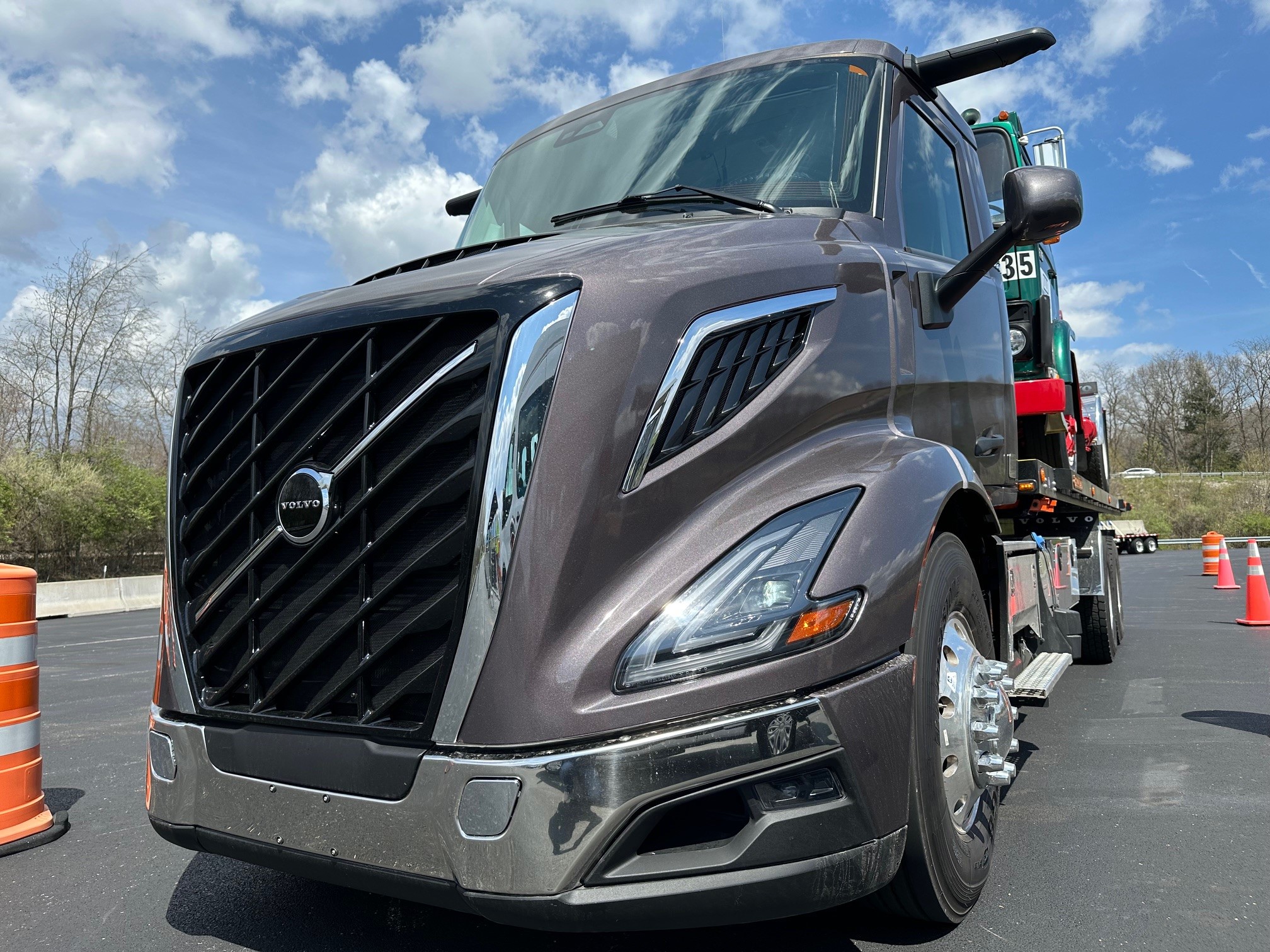
The VNR doesn’t feel like a stripped-down highway truck. It feels like a fully realized premium product that’s been optimized for a different job. This added versatility is what Volvo execs think will give the truck maker inroads into new segments and a bigger piece of the overall regional haul market.
You get the maneuverability and visibility needed for urban and regional work, without giving up the comfort, technology, and driving experience drivers have come to expect from a flagship highway tractor.
It’s a different kind of regional truck; one that feels purpose-built for the city, without giving up what drivers value most on the highway.

Have your say
This is a moderated forum. Comments will no longer be published unless they are accompanied by a first and last name and a verifiable email address. (Today's Trucking will not publish or share the email address.) Profane language and content deemed to be libelous, racist, or threatening in nature will not be published under any circumstances.