Wildlife collisions surge in spring, pose ongoing risk on key Canadian freight corridors

Wildlife collisions are climbing into their peak season across Canada, and the risk is highest on the same highways that fleets rely on most.
That was the takeaway from a recent webinar hosted by Samsara and the Traffic Injury Research Foundation (TIRF), which brought together fleet data and national safety research to examine when and where these crashes occur — and what fleets can do about them.
Spring spike, nighttime risk
The data shows a clear seasonal pattern. Wildlife collisions begin to rise in late spring, with May and June accounting for roughly one-third of incidents captured in Samsara’s dataset.
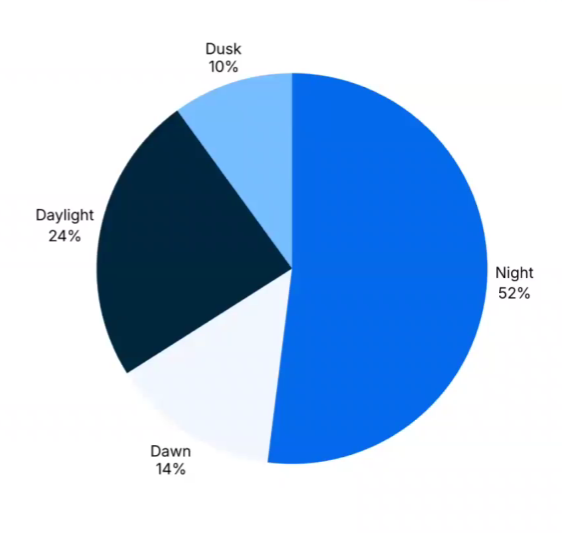
Time of day is just as important. About three-quarters of wildlife-related crashes occur in low-light conditions — overnight or around sunrise and sunset — when visibility is reduced and animals are most active.
And despite the perception that these are rural backroad incidents, most are happening on major highways.
“Nine out of 10 wildlife collisions are actually happening on highways,” said Melissa Wankiewicz, senior solutions marketing manager with Samsara.
That puts the risk squarely on high-speed freight corridors, including routes such as Highway 17 in Northern Ontario and Highway 16 across Western Canada.
Trucks often part of secondary crashes
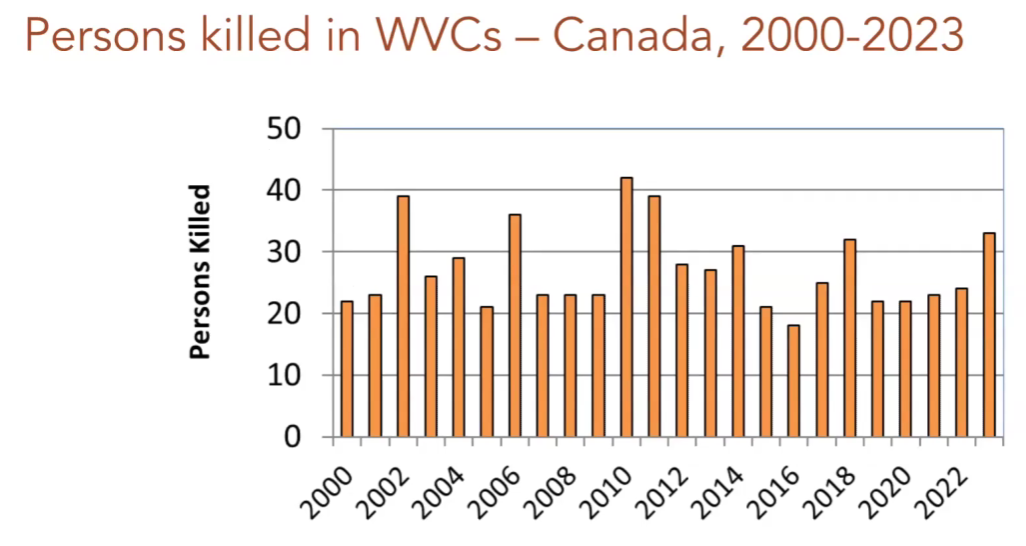
While passenger vehicles account for most direct impacts, heavy trucks are frequently involved in the aftermath. Data from the Traffic Injury Research Foundation shows 652 people were killed in wildlife-related collisions in Canada between 2000 and 2023, with recent years averaging 25 to 30 fatalities annually.
Moose and deer are the animals most often involved in fatal crashes. Only a small number of those deaths involved truck occupants directly, but trucks are commonly part of secondary incidents.
“Another 30 people died in collisions where a larger vehicle was involved indirectly,” said Steve Brown, research associate with TIRF.
Those cases include drivers swerving to avoid animals and being struck by trucks, or animals being propelled into other vehicles.
Rural freight routes dominate
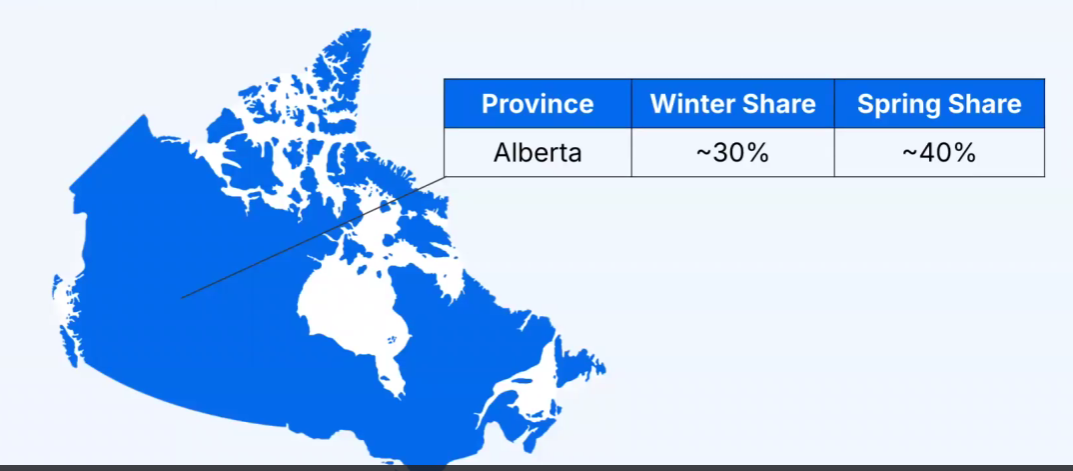
The geography of these crashes closely mirrors freight movement. Alberta accounts for the largest share of wildlife collision fatalities, followed by Ontario and Quebec.
Hotspots tend to cluster along rural corridors tied to resource industries, areas where longhaul trucks and wildlife share the same space. Speakers said while wildlife collisions can’t be eliminated, fleets can reduce the risk by focusing on a few key areas.
Speed management remains critical, particularly during peak months and in low-light conditions. Driver awareness is also key, especially during dawn, dusk, and overnight runs when wildlife activity increases.
Brown cautioned that avoidance maneuvers can often make situations worse.
“In some cases, the crash that causes the fatality is the result of swerving to avoid the animal,” he said.
Managing fatigue and distraction is another focus, particularly for fleets running long rural routes.
Technology is playing a growing role as well. AI-enabled dashcams and telematics systems allow fleets to review real-world events and coach drivers on high-risk behaviors such as speeding or inattention.
Samsara says fleets using its full safety platform have seen crash rates drop by as much as 73%, though that figure reflects overall safety improvements rather than wildlife-specific incidents.
Infrastructure measures — including fencing, wildlife crossings, and improved signage — also play a role in reducing collisions, though these are largely outside a fleet’s control.
For carriers, the focus remains on preparing drivers for predictable risks. Wildlife collisions tend to occur at the same times of year, in the same lighting conditions, and on the same types of roads.
Have your say
This is a moderated forum. Comments will no longer be published unless they are accompanied by a first and last name and a verifiable email address. (Today's Trucking will not publish or share the email address.) Profane language and content deemed to be libelous, racist, or threatening in nature will not be published under any circumstances.
re: “Speakers said while wildlife collisions can’t be eliminated….” – they can, however, be significantly reduced by government investment in wildlife fencing and crossing projects on highways, which reduce animal-vehicle collisions on average by 83%*.
So while these infrastructure investments may be “largely outside a fleet’s control”, there is a need for the collective voice of the industry to advocate for provincial & federal transportation agencies to invest in these types of infrastructure that keep motorists safer by reducing dangerous and costly collisions with wildlife.

Don’t these animals ever sleep? It’s nighttime for crying out loud. Go to bed!