Alberta’s national trucking regulations hub to improve route planning, bridge safety

Alberta’s transportation minister says a new national digital hub for truck drivers is expected to improve route planning, reduce costly bridge strikes, and support safer freight movement across Canada.
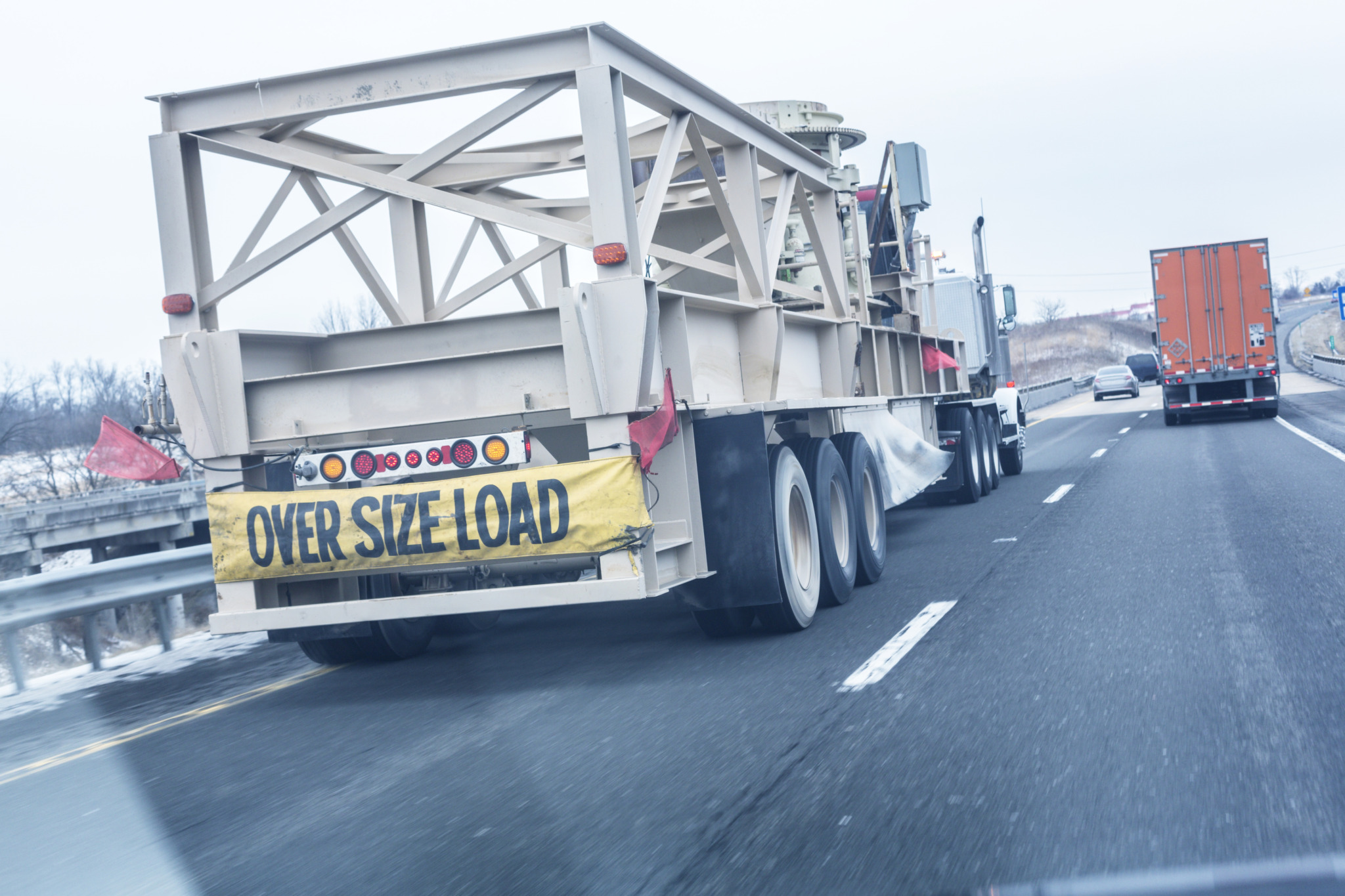
Transportation and Economic Corridors Minister Devin Dreeshen told trucknews.com that the Canadian Trucking Regulations Hub will help drivers pre-plan routes, reduce unnecessary costs and logistical challenges, and better coordinate trips involving oversized or specialized loads. He said the tool is designed to help carriers identify bridge clearances and other structures along planned routes before trips begin.
The made-in-Alberta platform is scheduled to go live April 22 and will consolidate regulatory and operational information from provinces and territories into a single portal.
The province said it will include permit information, National Safety Code standards, jurisdictional comparisons, route-planning tools, and vehicle configuration details for interprovincial trips. The hub will also help streamline permit applications, allowing drivers and carriers to apply for permits through the department more efficiently while helping government process approvals in a timely manner.
Additional precautions reviewed
Dreeshen said the hub is also intended to reduce, and ideally eliminate, bridge strikes that have led to significant infrastructure damage in the past. He said improved pre-trip planning should help prevent incidents involving oversized trucks striking bridges and other structures.
Alongside the digital tool, Alberta is reviewing additional precautions aimed at protecting infrastructure. These include higher fines and penalties for companies involved in bridge strikes, enhanced warning signage with flashing lights ahead of bridges, and the possible installation of protective structures in front of bridges that would absorb the impact of an oversized truck before the bridge itself is struck.
The minister said bridge strikes can result in repair costs running into the millions of dollars and create significant disruptions while construction and repairs are underway. While insurance from the responsible carrier ultimately covers repair costs, he said there are broader impacts on the province’s transportation network and on motorists using affected routes.
Left-lane passing prohibition
Dreeshen also said the province continues to examine a left-lane passing prohibition for large trucks on highways with three or more lanes moving in the same direction. He said the proposal received broad support in a survey conducted late last year and remains under review.
The announcement comes as Alberta continues consultations with trucking companies and driver training schools on other industry safety measures. Among the proposals being considered is a requirement that drivers hold a Class 5 license for two years before becoming eligible for a Class 1 commercial license. Dreeshen said the measure was widely supported during recent consultations and would ensure new commercial drivers have experience operating through Alberta’s four seasons before moving into larger vehicles.
The province said the hub was developed with federal, provincial and territorial partners, with each jurisdiction responsible for validating and maintaining its own data. The hub will be available in English and French, with long-term management expected to transition to the Canadian Council of Motor Transport Administrators in fall 2026.
Have your say
This is a moderated forum. Comments will no longer be published unless they are accompanied by a first and last name and a verifiable email address. (Today's Trucking will not publish or share the email address.) Profane language and content deemed to be libelous, racist, or threatening in nature will not be published under any circumstances.

Can we get minister Driessen to fix all the warning lights ahead of the low bridges? We already have in existence
Is this hub going to coerce the drivers into actually measuring their load and reading the signs?
This is an internal tracking problem as much as it is a government control issue