Low-NOx rules still coming in 2027, but key details remain in flux

The U.S. Environmental Protection Agency’s (EPA) 2027 heavy-duty emissions rules are still on track, but uncertainty around key provisions is complicating planning for fleets and suppliers.
That was the message from industry executives speaking at ACT Expo, where David Hillman, vice president of integrated technology sales at International, and Andrea Lukas, director of product management for Cummins’ North American on-highway business, outlined what is known, and what remains unresolved.
“The takeaway from an EPA standpoint is the low-NOx [rule] is still coming Jan. 1, 2027,” Hillman said. “I think that’s becoming a bit of a dawning realization for a lot of the fleets I talk to.”

What’s changing?
At the core of EPA27 is a dramatic tightening of nitrogen oxide (NOx) limits. The new standard will require heavy-duty engines to meet a 35 milligram NOx output — a significant reduction from today’s levels.
“This is the big one,” Lukas said. “We’re coming into 2027 seeing a new regulation…it is driving change through the industry that is impactful.”
To meet the target, OEMs and engine makers have been developing updated combustion strategies, aftertreatment systems, and controls — work that has been underway for years.
But while the emissions target itself appears firm, other aspects of the regulation may shift.
What may change
Much of the uncertainty now revolves around durability requirements and warranty provisions — both of which carry major cost implications. Earlier versions of the rule significantly extended the “useful life” of emissions systems and required longer warranty coverage.
“That would mean a truck built in 2027 would have to meet emissions requirements out to 2036,” Hillman said, describing the cost burden of extended durability requirements.
Lukas said the industry now expects those provisions could be scaled back in an upcoming Notice of Proposed Rulemaking (NPRM), expected sometime in June.
“We’ve anticipated some changes…with regards to end of useful life and emission warranty,” she said.
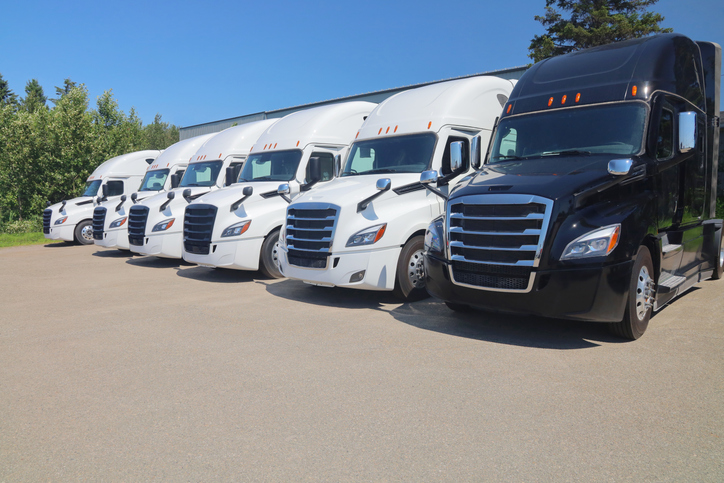
If confirmed, that would ease cost pressures tied to validation, testing, and long-term compliance — a major driver behind earlier estimates of steep price increases for 2027-compliant trucks.
Roughly half of the projected cost increase was tied not to hardware, but to warranty and durability requirements, Hillman noted. He said maintaining current warranty requirements (five years/100,000 miles) would provide much relief from the anticipated cost increases of new trucks in 2027.
What’s not changing
Despite shifting policy signals in other areas — including the rollback of some greenhouse gas-related measures — the low-NOx rule itself remains intact, panelists said, citing high-level discussions with regulators.
“It’s important to decouple greenhouse gas from tailpipe criteria pollutants,” Hillman said, noting there have been regulatory changes related to greenhouse gas emissions that have no impact on the coming NOx reduction.
While federal greenhouse gas rules have been repealed or revised, the EPA’s criteria pollutant standards — specifically NOx — are proceeding as planned.
From a product standpoint, both manufacturers said fleets should expect minimal disruption in day-to-day operation.
“We had to tilt the hood to know whether we were driving the current product or the one planned for 2027,” Hillman said, describing prototype testing.
Much of the hardware will carry over from existing platforms, with incremental changes to emissions systems rather than wholesale redesigns.
“What is needed by the fleets isn’t changing,” Lukas added, pointing to continued focus on uptime, maintenance intervals, and total cost of ownership.
DEF sensor confusion adds uncertainty
Recent regulatory changes around diesel exhaust fluid (DEF) quality sensors have added another layer of confusion. While the EPA has moved away from mandating certain DEF sensor requirements, both executives cautioned that the technology remains essential.
“We aren’t mandated to have the DEF quality sensor,” Hillman said. “But it’s an integral part of delivering the quality level that is required.”
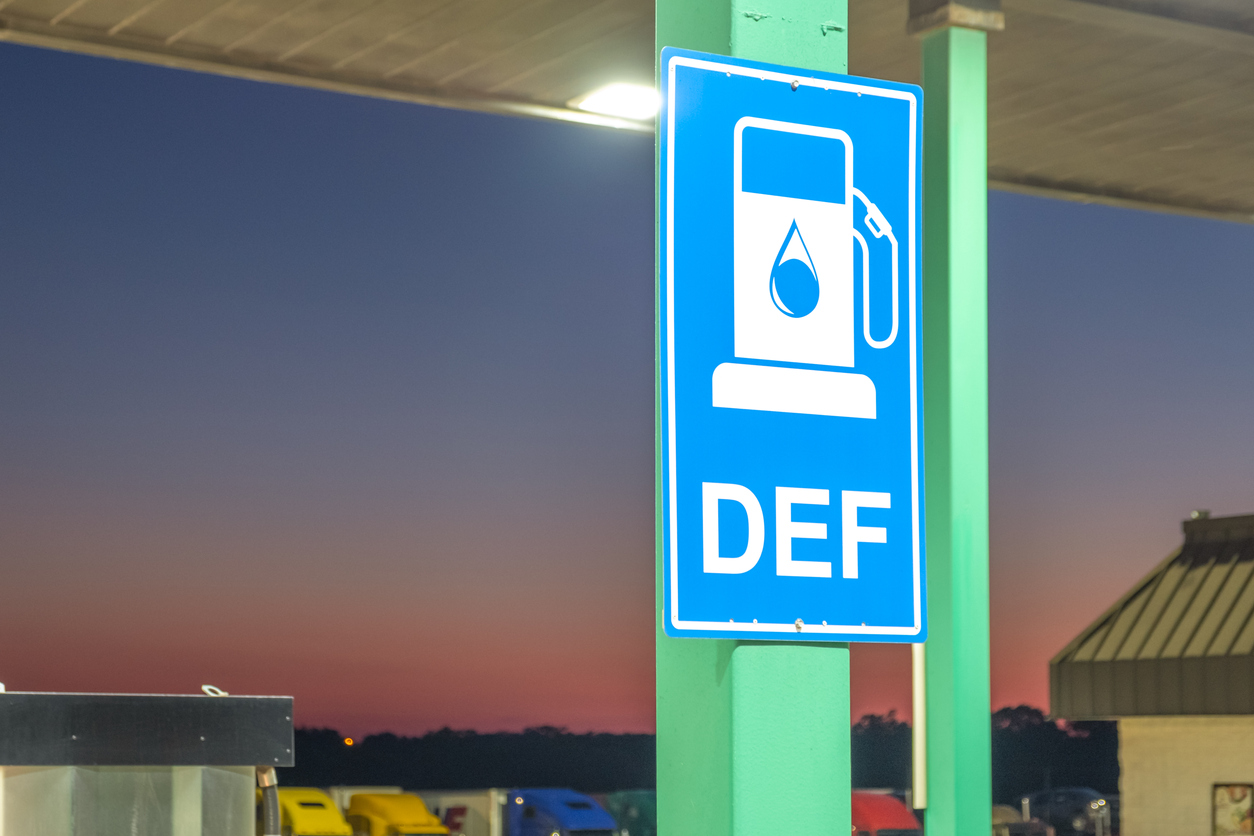
He likened removing the sensor to playing hockey without skates — technically possible, but impractical.
For fleets, that means existing trucks cannot simply operate without DEF system components, and 2027 products will likely continue to include similar functionality, at least initially.
From Cummins’ perspective, Lukas said current product development is too far advanced to make immediate changes.
“What we had in the architecture is likely what we’re going to be delivering,” she said, noting any adjustments would likely come after launch.
Fleets watching for clarity
With certification timelines, supply chains, and integration work already underway, the industry is now waiting for clearer regulatory direction.
“The uncertainty has been the greatest challenge,” Lukas said, pointing to the need for alignment across OEMs, suppliers, and regulators.
For fleets, the next major signal will be the EPA’s forthcoming NPRM, expected to clarify warranty and durability requirements — and, ultimately, pricing.
Until then, one message is clear: EPA27 is still coming, and preparation can’t wait. Panelists said there will be constrained capacity toward the end of this year as fleets look to pull orders forward, deferring costs increases that will come with the new engines.

Have your say
This is a moderated forum. Comments will no longer be published unless they are accompanied by a first and last name and a verifiable email address. (Today's Trucking will not publish or share the email address.) Profane language and content deemed to be libelous, racist, or threatening in nature will not be published under any circumstances.