Volvo bets on diesel, electric, and autonomy to hit ‘zero’ goals

Volvo is doubling down on a multi-path strategy to cut emissions and improve efficiency, combining cleaner diesel engines, expanded electric capabilities, and growing autonomous operations.
Speaking at ACT Expo, executives outlined how the company’s “Together Towards Zero” vision — zero emissions, zero accidents, and zero unplanned stops — is being translated into real-world products and services across trucking.
“We’re in the transport industry. It’s the heart of society,” said Peter Voorhoeve, president of Volvo Trucks North America. “We have a responsibility to be safe, to be clean and to drive prosperity.”

EPA27 engine targets 80% NOx reduction
At the center of Volvo’s diesel strategy is a newly unveiled engine designed to meet EPA27 emissions standards. The next-generation D13 reduces nitrogen oxide (NOx) emissions by more than 80% compared to current limits, meeting the 35 milligram (0.035 grams/hp/hr) standard that takes effect Jan. 1, 2027.
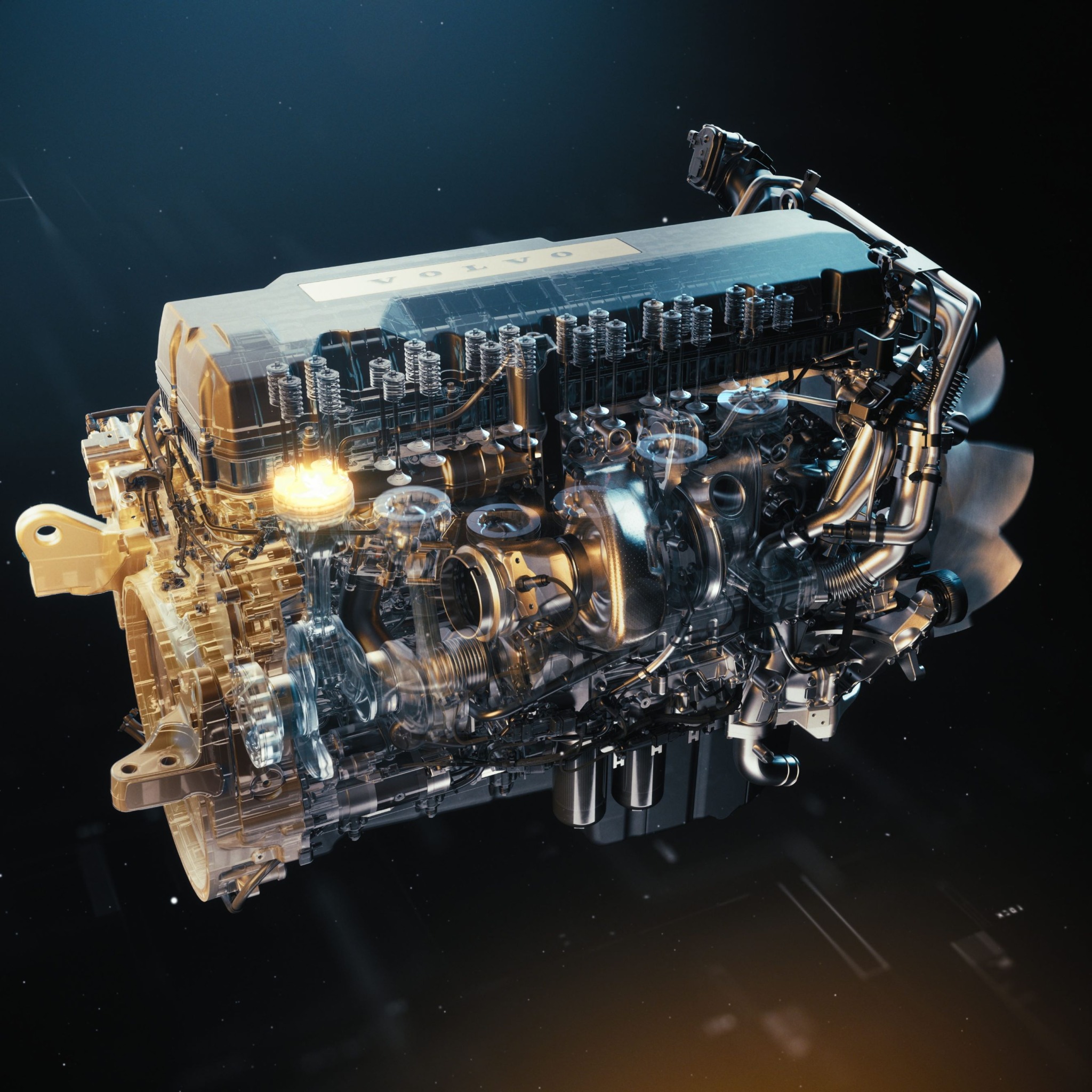
Rather than introducing an entirely new architecture, Volvo is refining existing aftertreatment technology that has already been proven in the field.
“This engine is our most powerful, fuel-efficient engine ever,” Voorhoeve said.
The engine offers up to 540 horsepower and 1,950 lb.-ft. of torque, with enhanced engine braking delivering up to 630 braking horsepower, a key benefit for heavy loads and steep grades.
Fuel efficiency remains a major focus. Volvo says the new engine builds on an already efficient platform, delivering additional gains across longhaul, regional, and vocational applications.
Incremental gains add up
Volvo emphasized that sustainability isn’t just about zero-emission vehicles; incremental efficiency improvements in diesel trucks can deliver immediate impact. The company’s new truck platform, backed by a $2-billion investment, delivers fuel savings of about 10% compared to previous models.
Voorhoeve said that translates into roughly 1,300 gallons of fuel saved per truck annually, equaling about $5,000 to $7,000 per year at current fuel prices.
“If everybody in the U.S. and Canada would buy this, the impact would be the same as putting 30,000 electric trucks on the road,” he said.
Electric trucks expand into vocational work
On the electric side, Volvo is expanding what battery-electric trucks can do, particularly in vocational applications. A key development is the introduction of a mechanical electric power take-off (ePTO) on the Volvo VNR Electric, allowing the truck to power equipment such as cranes, mixers, and hydraulic systems directly from its batteries.
That eliminates the need for a diesel engine to run auxiliary equipment.
“It becomes like a Swiss Army knife. Now you can do everything with it,” Voorhoeve said.
The move opens the door for electric trucks in applications such as construction, waste collection, and municipal work — areas that have traditionally been difficult to electrify.
Volvo’s electric footprint is already growing. More than 750 VNR Electric trucks are operating across the U.S. and Canada, logging more than 30 million zero-emission miles.
Next-generation electric truck coming
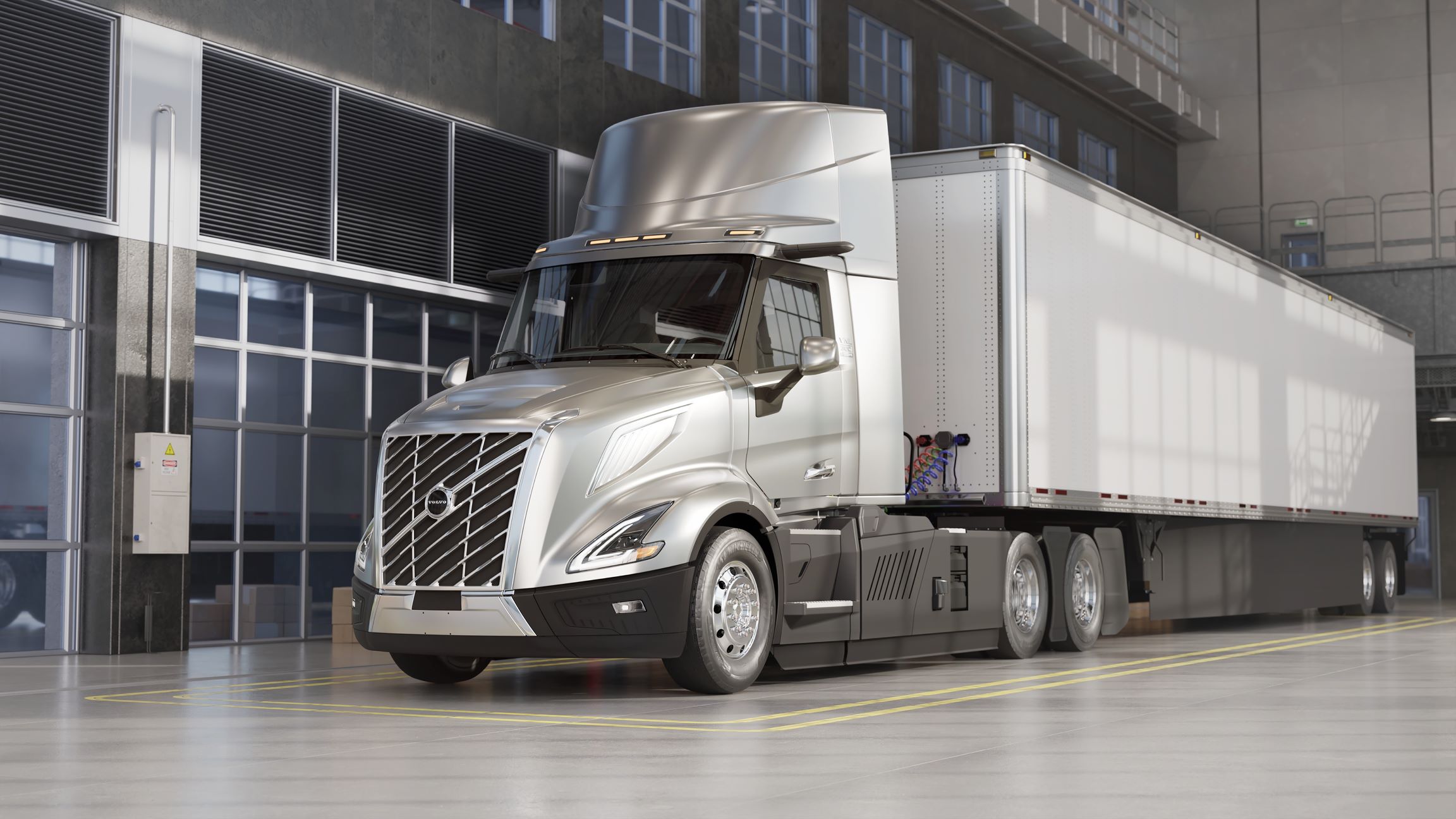
Volvo also previewed the next step in its electric strategy: the VNL Electric, a new battery-electric model aimed at regional haul, drayage, and urban distribution. Built on the company’s new platform, the VNL Electric will share the same driver-focused design, safety features, and connectivity as its diesel counterpart.
Orders are expected to open later this year. The truck will use Proterra battery technology manufactured in the U.S., reflecting Volvo’s push to build a domestic supply chain for electric components.
Despite early momentum, executives acknowledged that electric truck adoption has slowed compared to the initial surge of interest.
“The enthusiasm has calmed a little bit,” Voorhoeve said.
Still, Volvo says the groundwork is in place, including a growing network of 84 certified EV dealers across North America. “When this takes off, we’re ready,” he said.
Electric trucks are expected to remain concentrated in specific use cases — particularly urban, regional, and drayage operations — where range and charging infrastructure are more predictable.
Autonomous operations expand into new lanes
Volvo is also pushing forward with autonomous trucking, moving beyond pilot projects into early commercial operations. The company is expanding its autonomous freight network in Texas, adding a new lane between Dallas and Oklahoma City to existing routes between Dallas, Houston, and Fort Worth.
The operations are conducted in partnership with Aurora, using Volvo’s purpose-built autonomous VNL trucks. Volvo is now moving freight directly between customer facilities, eliminating the need for separate drayage legs.
“That is a proof point,” said Sasko Cuklev, head of on-road solutions at Volvo Autonomous Solutions. “We are now moving away from demos and pilots into real-world commercial operation.”
The company says new routes can be deployed relatively quickly.
Beyond powertrains, Volvo highlighted the growing role of software in improving fleet performance.
Its latest truck platform includes a significantly upgraded electrical architecture, enabling over-the-air software updates. These updates can be downloaded remotely, allowing trucks to stay current without visiting a dealership.
Volvo says the result is a 24% reduction in unplanned stops among connected trucks.
“It’s almost like an iPhone,” Voorhoeve said, referring to automatic updates delivered overnight.
Sustainability goes beyond the powertrain
Volvo also pointed to changes in materials and manufacturing as part of its broader sustainability strategy. The company is incorporating recycled plastics and sustainably sourced materials into its trucks, including interior components made from recycled materials produced in the U.S.
“Sustainability is not only about the electric truck,” Voorhoeve said. “It’s about climate, resources, and people.”

Have your say
This is a moderated forum. Comments will no longer be published unless they are accompanied by a first and last name and a verifiable email address. (Today's Trucking will not publish or share the email address.) Profane language and content deemed to be libelous, racist, or threatening in nature will not be published under any circumstances.