Alberta’s family-owned Whitecourt Transport marks 80 years

Whitecourt Transport has spent eight decades adapting to shifting markets, from post-war freight hauling to forestry, environmental services, and heavy equipment work. But its leadership says what has stayed consistent through the past 80 years is the company’s philosophy of prioritizing people and relationships over transactions.
Modern equipment and technology, as important as they are, can only get you so far, said Jeff Rosnau, Whitecourt’s CEO, who has been with the company for 25 years and now leads it alongside his business partner Brett Evasiuk.
“What differentiates you is how you treat the people that work for you,” he pointed out. “Our values haven’t changed. We’ve always valued our culture. We value leadership. We value collaboration. We value kindness and sustainability.”
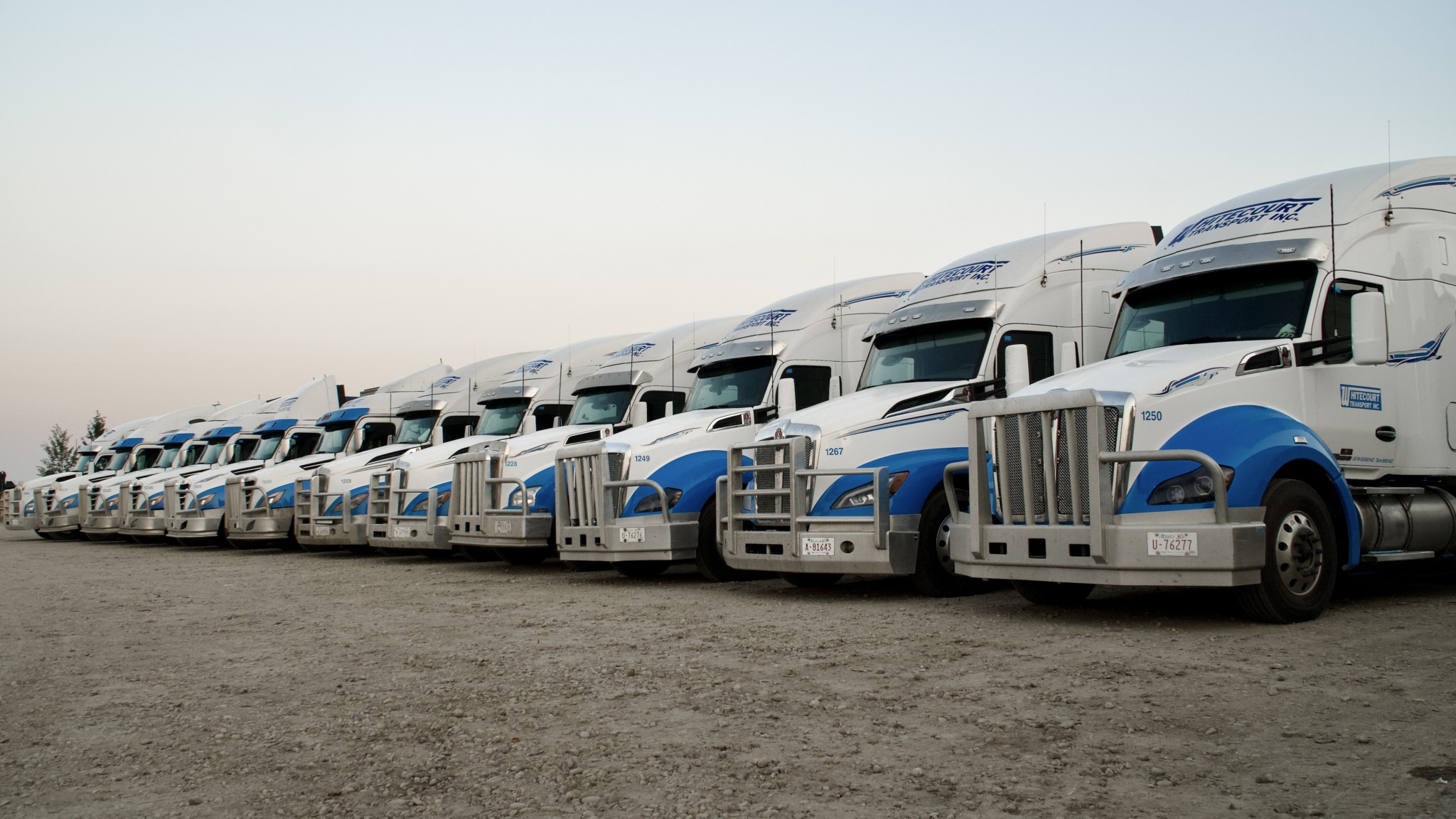
Whitecourt is now a third-generation, family-run business, founded in 1946 by Nick Evasiuk and later led by his sons, Dave and Rick Evasiuk, before transitioning to its current leadership. Between Rosnau and Brett Evasiuk, three of their children are already working in the business, positioning it for a fourth generation.
Rosnau, who married into the family, describes his tenure as part of a much longer journey.
“That’s sort of just the last leg of an 80-year marathon,” he said, adding the company’s longevity reflects more than its time in business. “We’ve built long-term relationships with our customers and our employees, and we have a really strong culture.”
Evolving beyond trucking
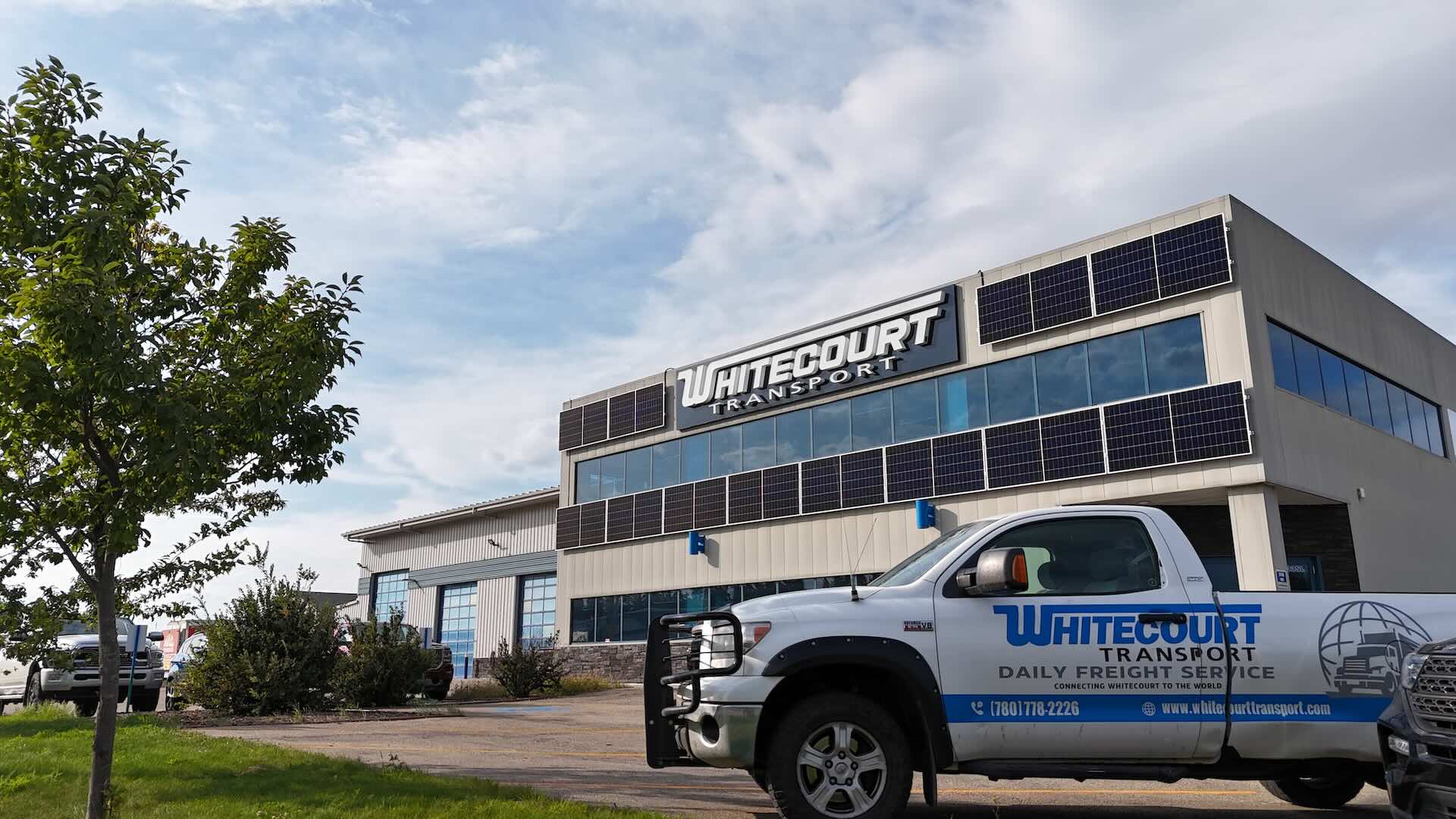
Over that time, the fleet has grown to about 60 trucks and between 100 and 130 employees, depending on project demand.
Historically, Whitecourt’s growth has been tied to Alberta’s resource economy.
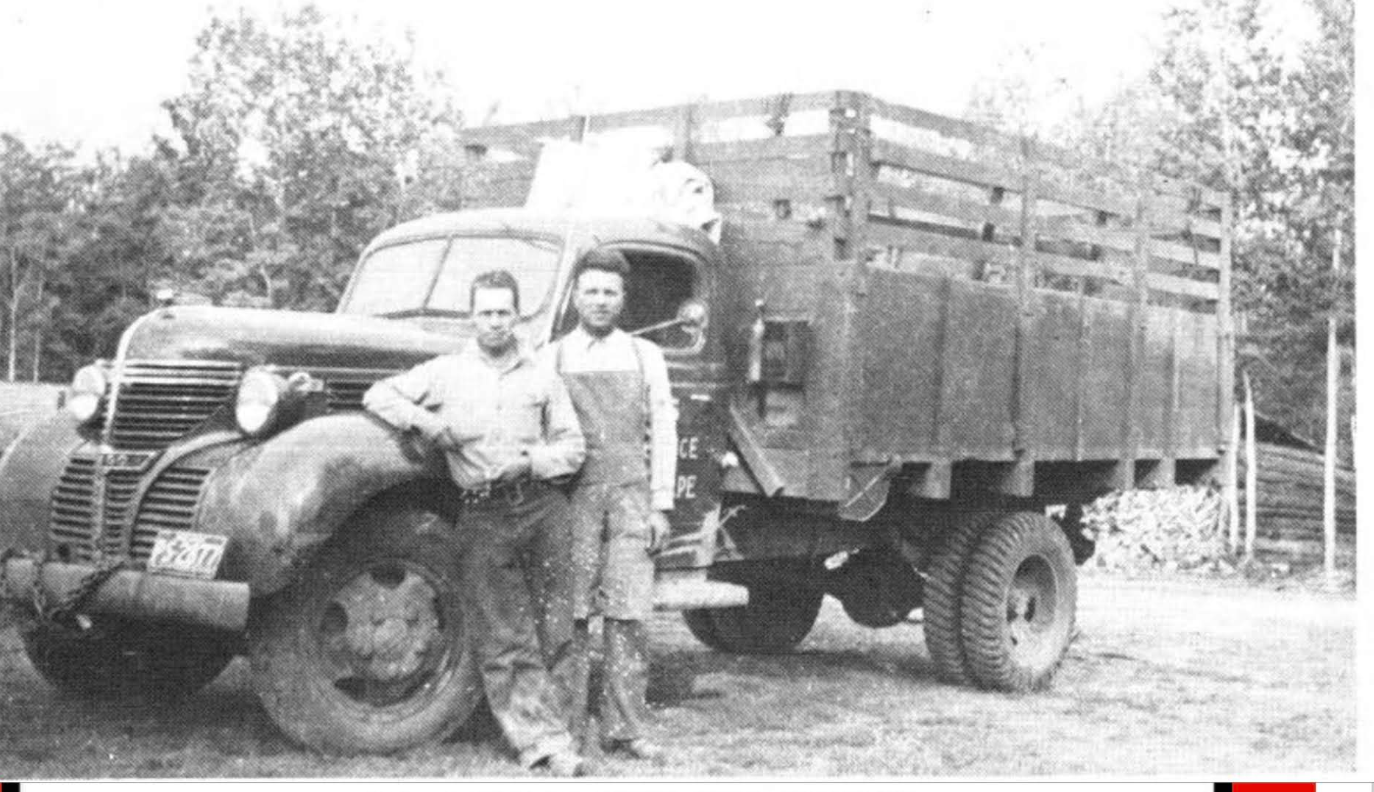
The company began in 1946 with a single Fargo box truck operation in Mayerthorpe, Nick’s Truck Service, hauling livestock, household goods, and essential supplies in Northern Alberta. It expanded into Whitecourt in 1954, opening its first depot, and formally rebranded into Whitecourt and relocated its headquarters there in 1961.
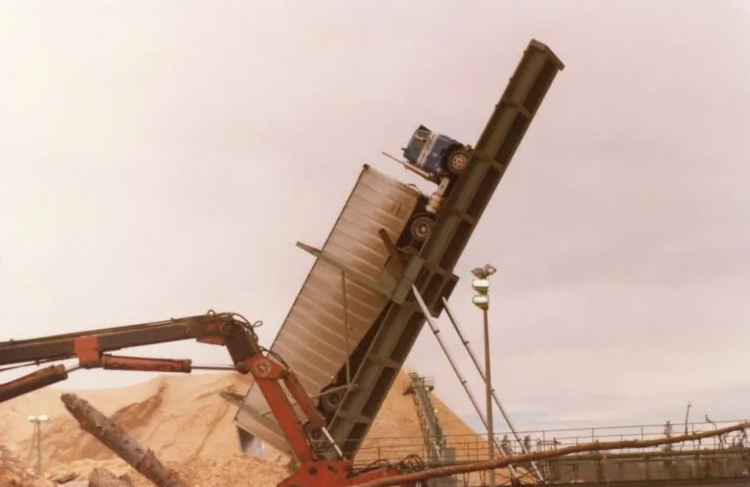
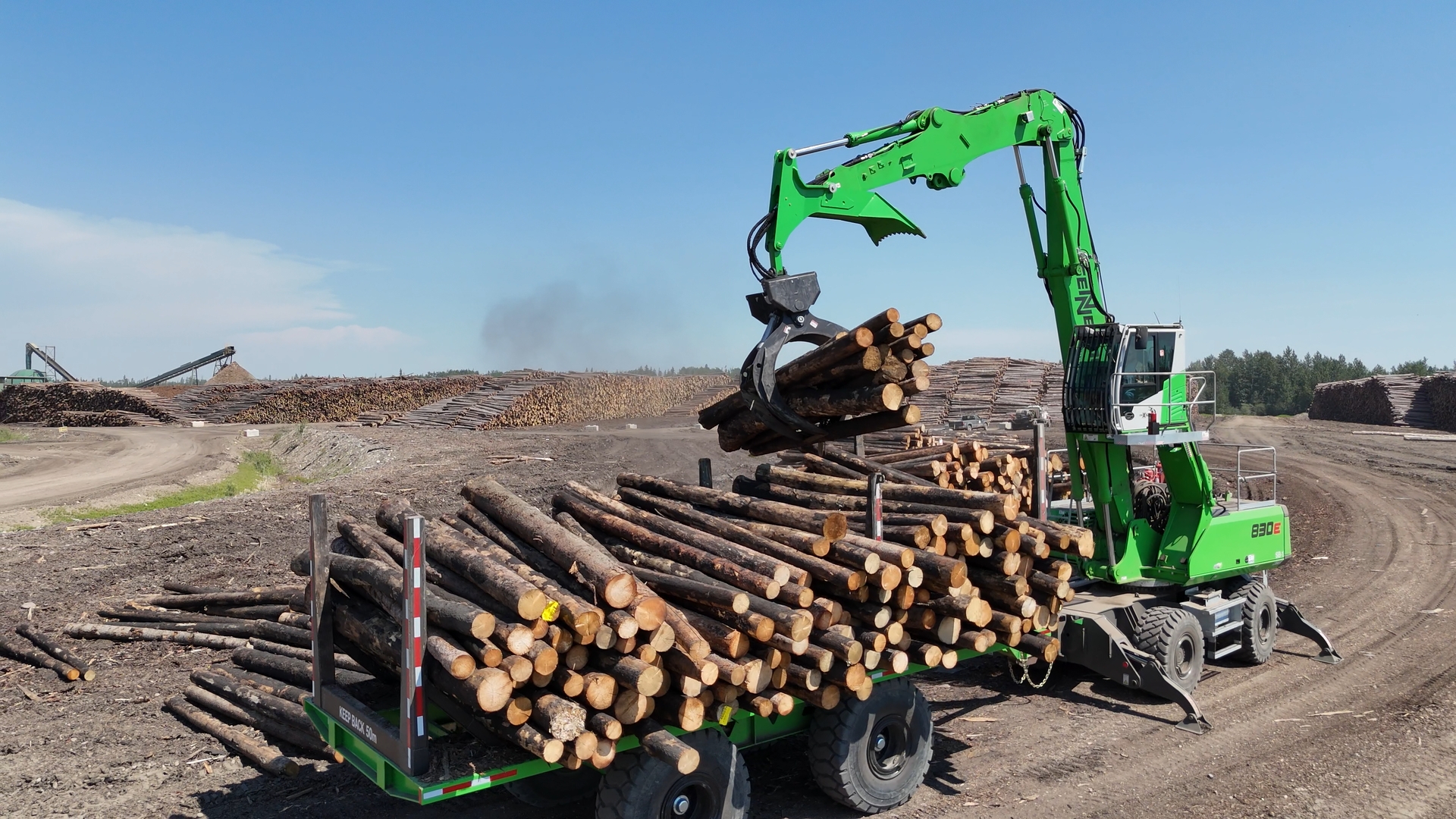
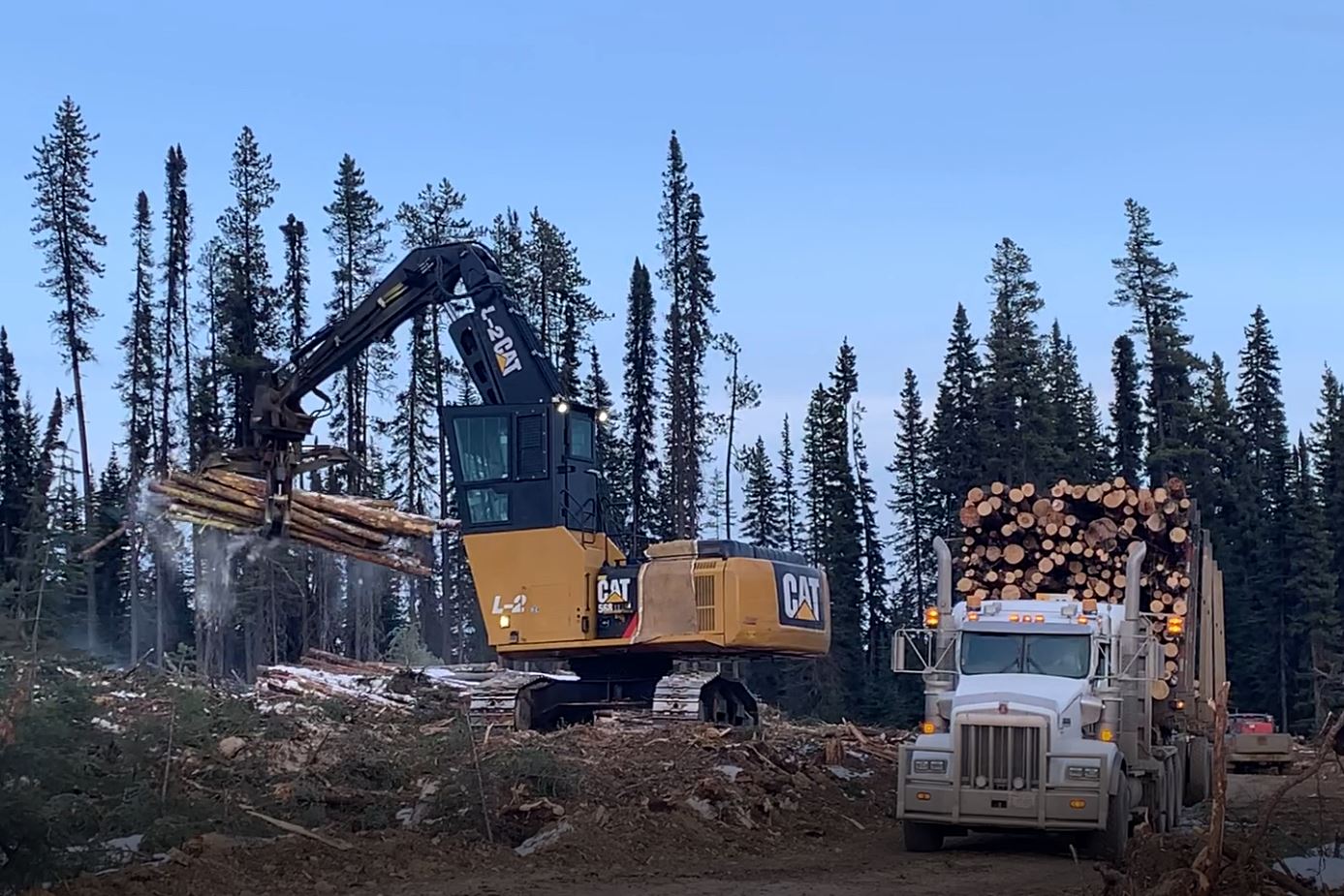
Its first major shift beyond general freight came in 1971, when it began hauling logs for Millar Western sawmill.
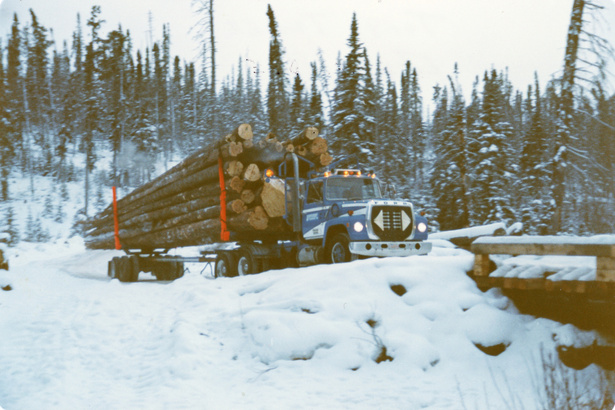
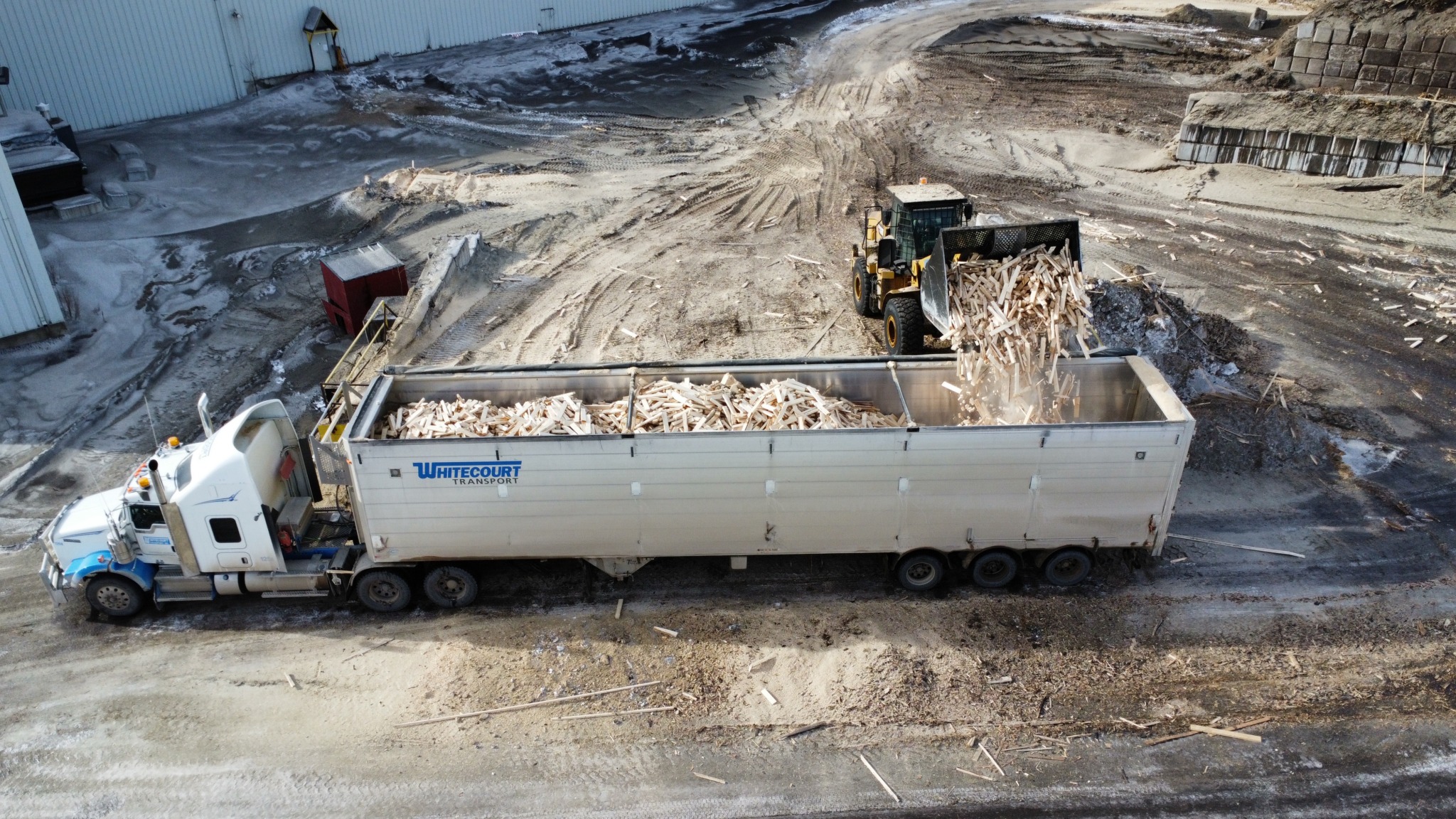
That was followed by another step in the late 1980s, when Whitecourt moved into bulk wood fibre hauling as Alberta’s pulp and paper industry expanded.
Rosnau said those decisions were driven by closely tracking where demand was emerging.
“My predecessors were very aware of what was going on in both the oil and gas industry and the forest industry,” Rosnau said. “We took advantage of more of the opportunities that were coming about in the 1980s with the growth of the forest industry … We became a fairly fast contributor to the pulp and paper industry.”
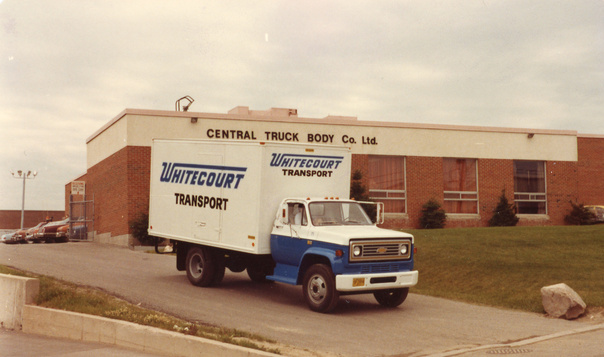
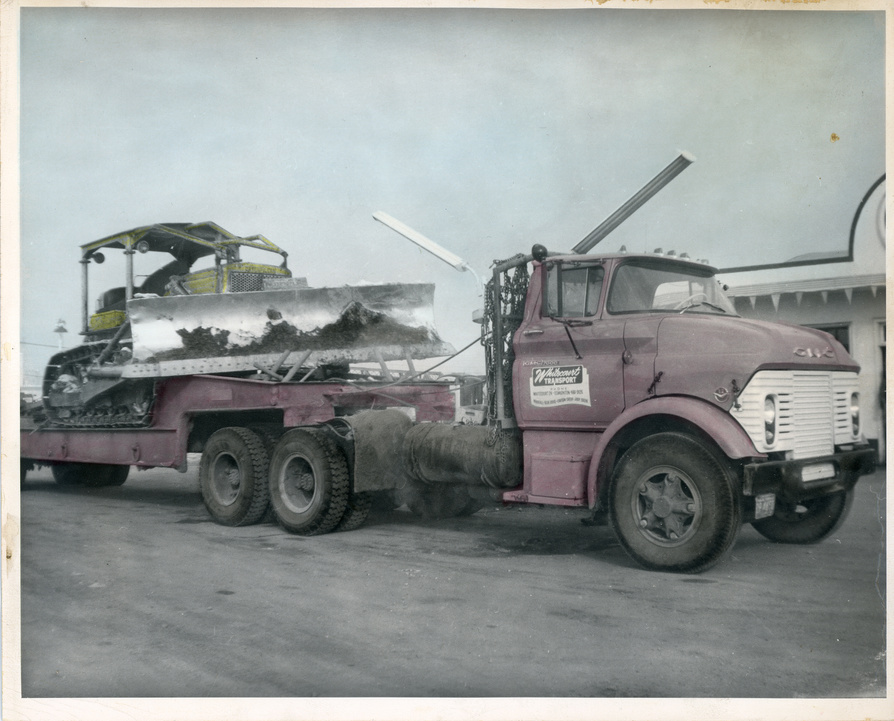
While the company has long participated in oil and gas work, it has deliberately avoided making it a core focus, as it is full of highs and lows, Rosnau said. “It’s been a bit of a blessing to participate, but not live and die by it.”
In 2002, the company expanded its forestry operations through the acquisition of Rizoli’s Forest Contracting, rebranding it as Progressive Forest Contracting. In 2023, Whitecourt launched WTI Environmental, adding environmental and civil contracting services to its portfolio to stay integrated within Alberta’s resource sector.
Diversification backed by people
That level of diversification has required a different approach to managing operations and staying afloat.
Rather than running separate divisions, Whitecourt has focused on cross-training its employees and ensuring they have transferable skills, so they can shift between projects as needed.
“By having our fingers in a lot of different pies and being able to pivot to different jobs, it’s been really helped us through that whole period [the pandemic], and helps us today,” Rosnau said. But he was not referring to cashflow alone, saying diversification in people’s skillsets helped save the team during the tough times. “That’s really critical, because keeping what you put so much energy into — growing a team — and if you lose them because of a temporary downturn, you have to rebuild over and over again.”
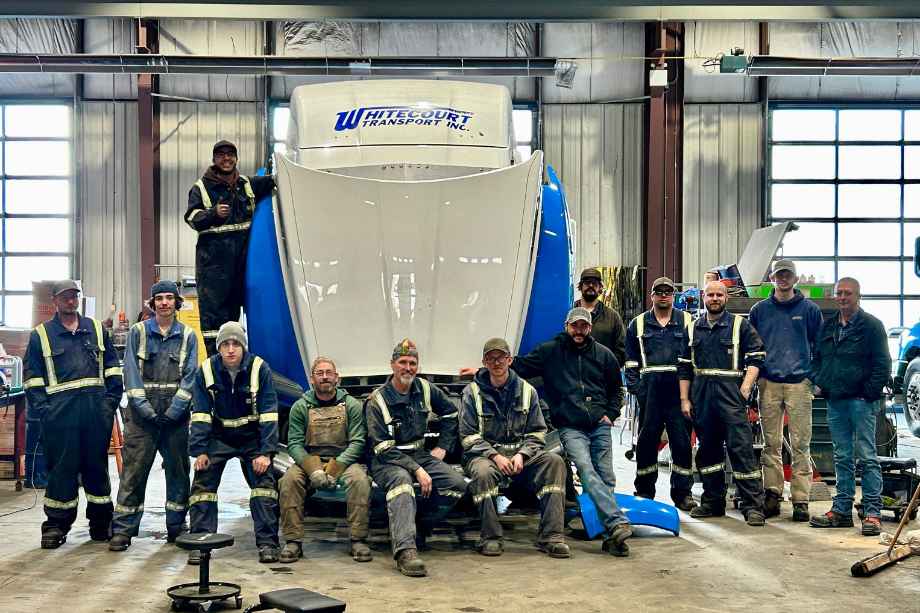
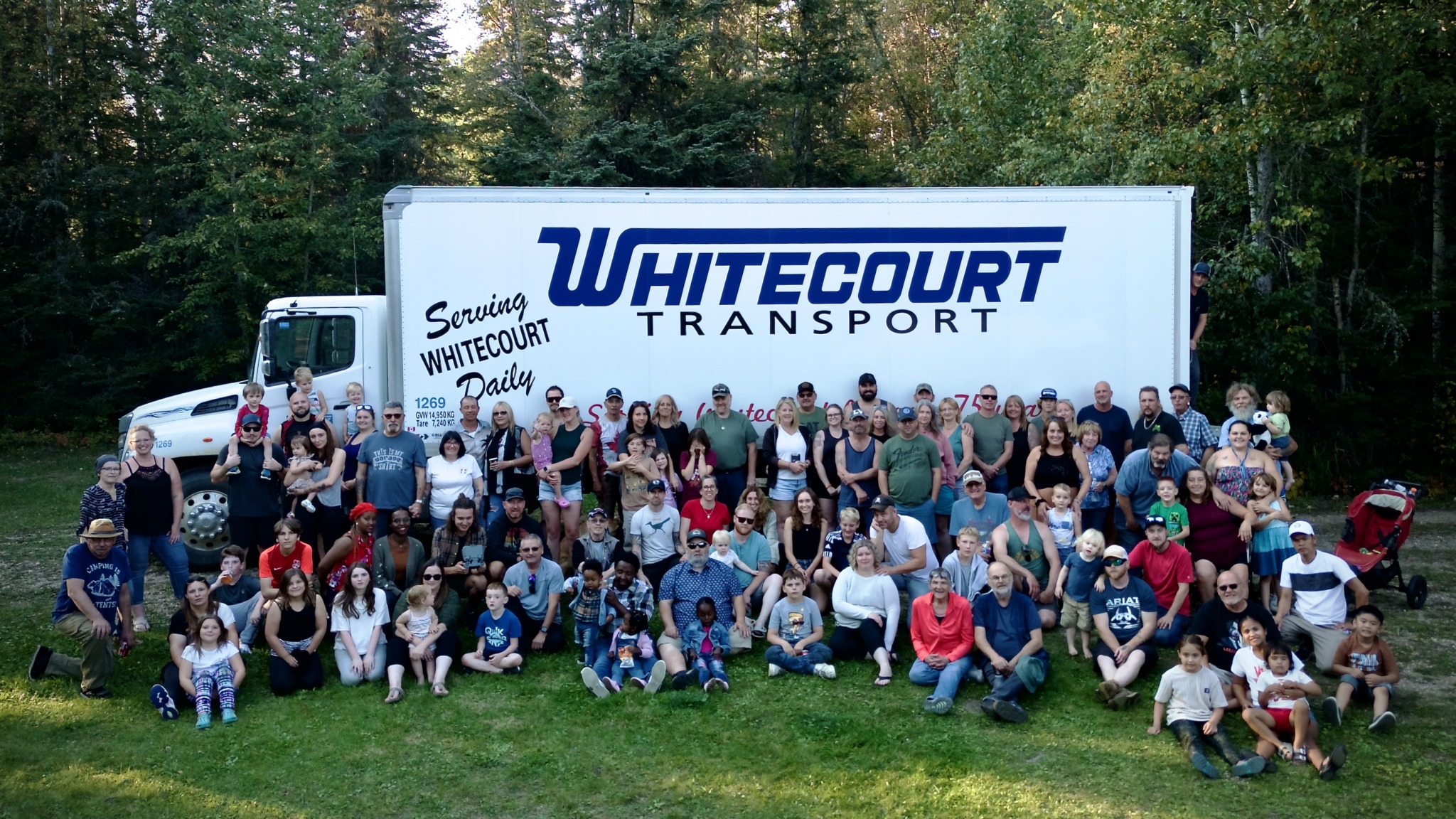
That model is closely tied to how Whitecourt hires and develops its people, too.
While the company describes its interview process as rigorous, recruitment does not rely solely on credentials when hiring new employees. Instead, it looks at ‘what people are made of’.
“We look for talent in unlikely places. I think that’s the other thing is that you have to really recognize talent that sometimes doesn’t show up on the resume,” Rosnau said. “Sometimes the most qualified people can’t make the contribution you need. It’s more about kind of their spirit and their belief and their grit.”
Once the talent is identified, Whitecourt invests in developing the skills needed to succeed in current roles and the future ones. This is how employees are often moving up from within the organization, including drivers and shop staff taking on leadership roles.
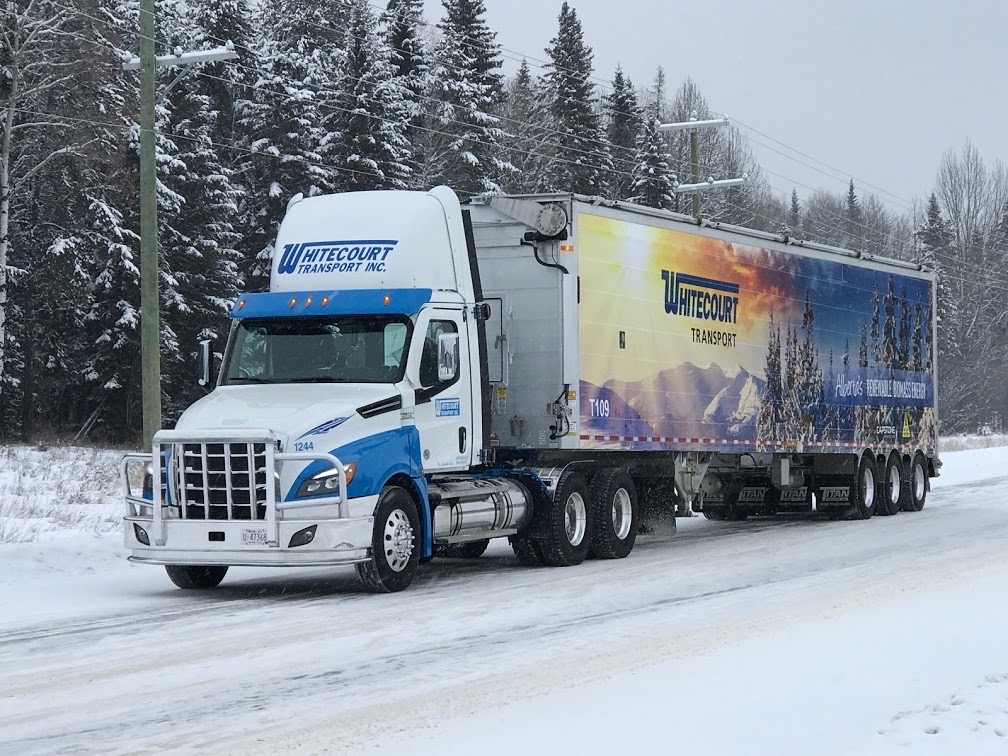
Rosnau added the company puts pressure on its leadership team to create an environment where people want to stay. “People will say right now that it’s difficult to get employees, good people. I don’t really believe that at all. I think that good people follow good leaders.”
Immigrant roots shape culture
The company was named as one of Trucking HR Canada’s Top Fleet Employers for several consecutive years, including as Top Medium Fleet Employer for 2025, recognizing its HR and culture practices. “We actually felt pretty proud, because it, to us, meant we punch above our weight a little bit,” Rosnau said of the win, referring to the company’s fleet size of 60 trucks.
He added that Whitecourt’s people-first approach is most visible in how it treats its drivers. The company deliberately treats them as professionals, focusing on respect, autonomy, and support.
And Whitecourt expects its customers to adhere to those standards as well. So much so that sometimes it means letting customers go. Rosnau recalled instances when they chose to walk away from business when drivers had been subjected to racist behavior.
“Sometimes you have to fire a customer, and that’s what we’ve done to sort of stand by our people.”
That stance, Rosnau said, is not new and is tied directly to the company’s origins, “We remember the stories about what it was like in the early years, too.”
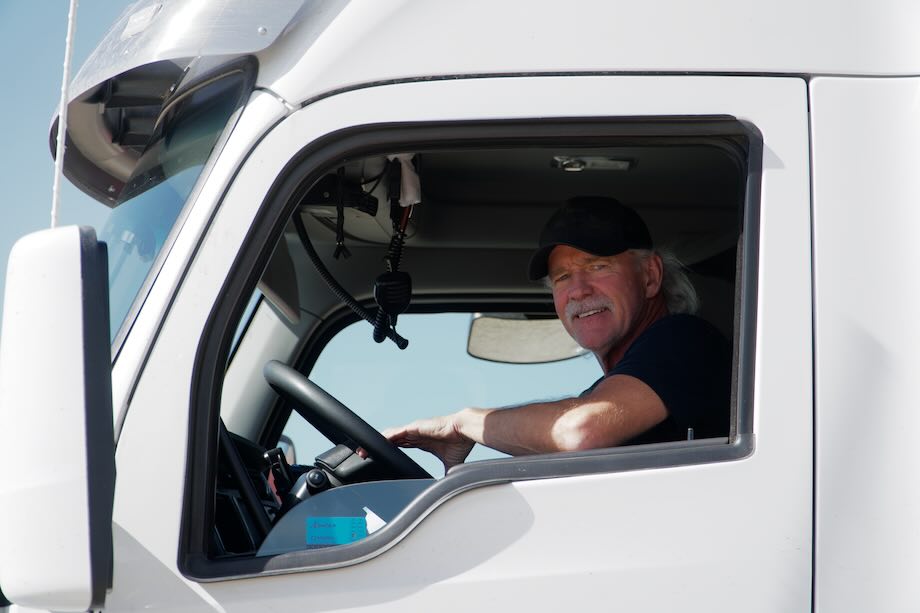
Nick Evasiuk was a second-generation Ukrainian who built the business from the ground up after years working in farming and delivering goods to rural communities as a Watkins driver. During the war, he sold his truck into service and was tasked with hauling uranium out of Uranium City. When the war ended, he returned and started over.
The company’s early workforce was largely made up of family, such as uncles and cousins, and defined by what Rosnau described as a ‘tremendous’ immigrant work ethic, along with the realities of not always being fully accepted as an immigrant.
“We’re very conscious of that today, as we kind of still experience those types of things. Maybe it’s not as hard to be Ukrainian today, but it is hard to be from any other nation right now. So, we’re very aware of that. And we try to make a lot of extra efforts to kind of lean into that, be very respectful of other cultures and make opportunity for them,” he said. “To me, that’s a Canadian story. That’s how the country is built… You have to reach back and have an awareness of that, of where people came from, how they got here, what they’ve contributed.”
Legacy lives on
That connection to the company’s early years lives on in other ways, through community. Rosnau shared a story from about 15 to 20 years ago, when Whitecourt stepped in to take over a small freight operation in Mayerthorpe whose owners were retiring.
These owners had taken over the original business after Evasiuk shut it down decades earlier. When Whitecourt moved in to take it back over, word quickly spread through the community.
“Half of the people that came in had worked for Nick back in the day. And all had a funny story to tell. And everybody spoke very glowingly. So, it was actually quite moving for me,” Rosnau recalled. “That’s when I really realized — we have such a long history and so many people know about that history.”
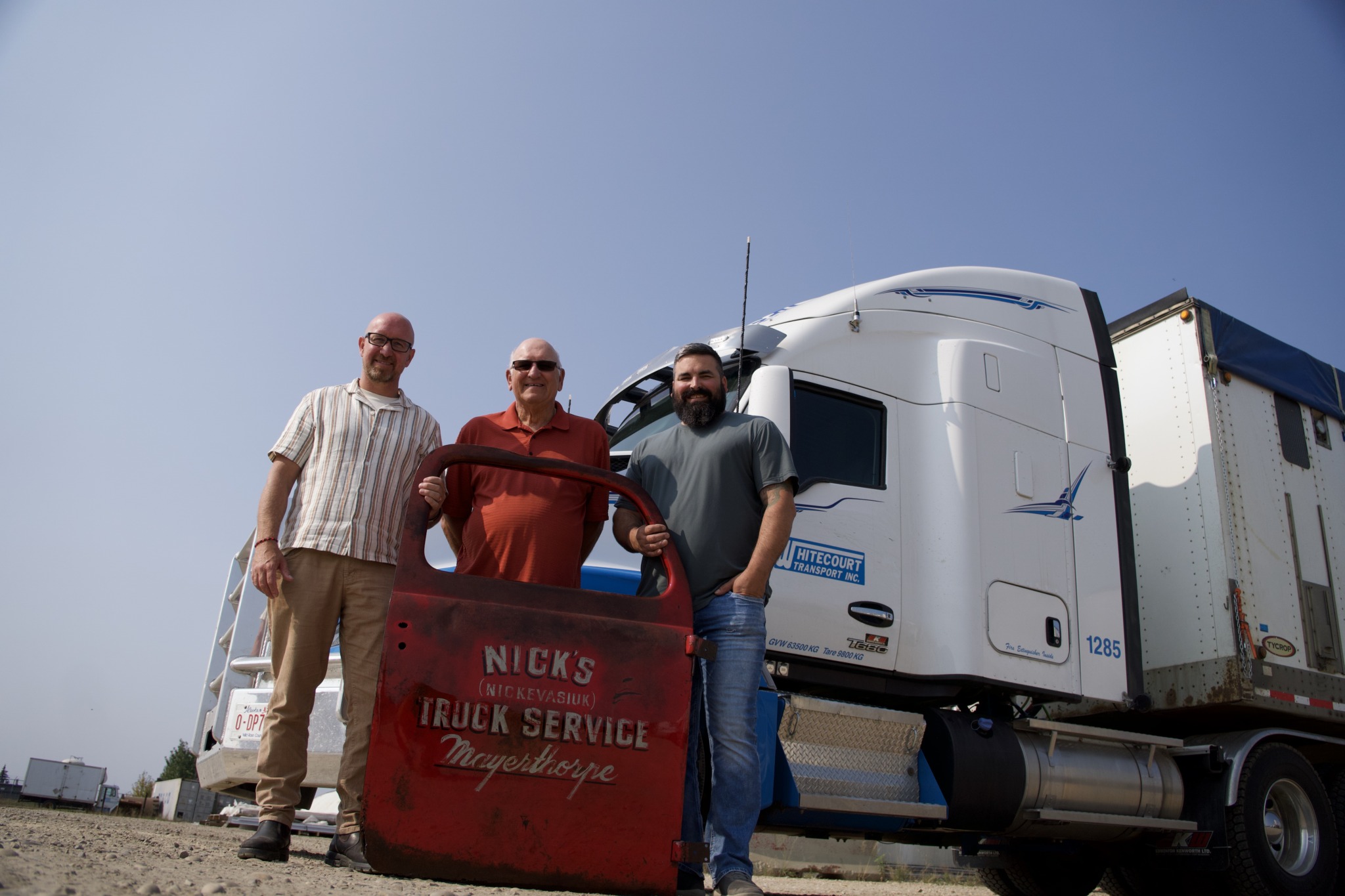
Before closing their doors, the previous owners also handed over a piece of that history: a door from one of Evasiuk’s original trucks — a 1937 Dodge — which had been sitting in a barn for decades. It now hangs in Whitecourt’s vestibule.
When asked about what the founder would think of the business now, Rosnau said he would likely be surprised by how far it has come, and proud of what has stayed the same.
“I think he’d be blown away at the types of work we do, and that how big the team has gotten…I don’t think he could have imagined that it would have grown to be what it is today. I think he would be pretty moved by thinking that there are fourth-generation people working in it, for sure.”

Have your say
This is a moderated forum. Comments will no longer be published unless they are accompanied by a first and last name and a verifiable email address. (Today's Trucking will not publish or share the email address.) Profane language and content deemed to be libelous, racist, or threatening in nature will not be published under any circumstances.