EPA removes DEF sensor requirement for diesel engines

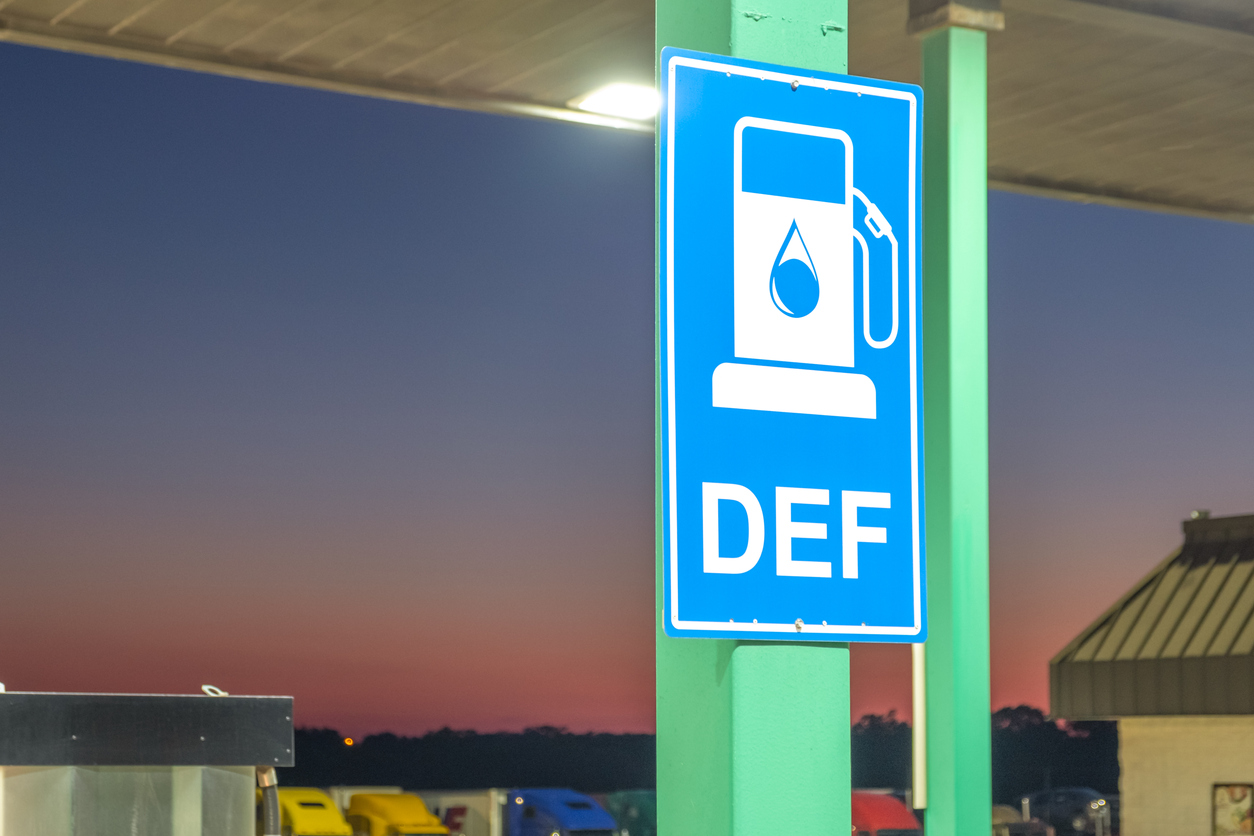
President Donald Trump and the U.S. Environmental Protection Agency announced guidance allowing the removal of the DEF sensor requirement for all diesel equipment.
EPA said sudden speed losses caused by DEF system failures compromise safety and productivity.
“Failing DEF systems are . . . a nationwide disaster,” said EPA Administrator Lee Zeldin. “Farmers and truckers should not be losing billions of dollars because of repair costs or days lost on the job.”
Earlier this year, the EPA demanded information on DEF system failures from 14 on-road and non-road manufacturers. The agency said this was to independently evaluate ongoing system failures and inform emissions regulations. Thus far, the agency has received data from 11 of the 14 manufacturers.
EPA said the DEF measure does not weaken or remove emissions standards, but instead “ensures that those standards are met in a way that actually works in the real world.”
According to an EPA statement, heavy-duty trucks should now only receive a warning light for 650 miles or 10 hours after a fault is detected. After that time, the engine will only mildly derate, allowing trucks to operate normally and without speed limits for up to 4,200 miles or two workweeks. Only after about four work weeks does the speed drop to 25 mph until repairs are made.
The U.S. Small Business Administration (SBA) said this step will provide $13.79 billion in annual savings to Americans.
“EPA’s decision to provide manufacturers with flexibility to suspend these inducements — and eliminate problematic sensors altogether by monitoring a truck’s actual emissions — is a pragmatic solution that reflects how these systems perform in the real world,” said American Trucking Associations Vice President of Energy & Environmental Affairs Patrick Kelly.
The agency also affirmed that approved NOx sensor-based software updates can be installed on existing engines without being treated as illegal tampering under the Clean Air Act.
In the coming months, EPA said it will issue a new deregulatory proposal that will completely remove all DEF deratements for new vehicles and engines.
Since 2010, most on-road diesel trucks and many types of nonroad equipment (such as tractors and construction machinery) have used selective catalytic reduction systems that inject DEF into exhaust streams to reduce nitrogen oxide emissions.
Separately, Rep. Mike Collins (R-Ga.) has introduced legislation that would stop the EPA from criminalizing truckers and farmers through federal emission mandates. Companion legislation was introduced in the Senate last year by Sen. Cynthia Lummis (R-Wyo.).
“American truckers and farmers are the backbone of this nation, but the EPA has treated them like criminals for maintaining their own equipment,” said Collins. “The Diesel Truck Liberation Act codifies the work of EPA Administrator Lee Zeldin to free farmers and truckers from the radical federal emissions mandates of past administrations and end the bureaucrats’ war on the working class.”
According to a statement, the legislation would:
- Stop federal agencies from requiring manufacturers to install or maintain emissions control devices or onboard diagnostic systems.
- Remove the EPA’s authority to enforce Clean Air Act requirements related to vehicle emission controls.
- Protect individuals sued or prosecuted under federal law for tampering or improving emissions equipment.
- Codify the legislation so that no matter who is in the White House, truckers’ and farmers’ livelihoods are protected.

Have your say
This is a moderated forum. Comments will no longer be published unless they are accompanied by a first and last name and a verifiable email address. (Today's Trucking will not publish or share the email address.) Profane language and content deemed to be libelous, racist, or threatening in nature will not be published under any circumstances.