Fleet results on the upswing in Q2, as are concerns about drivers

Publicly traded U.S. trucking fleets reported mostly stronger second-quarter results, fueled by a largely supply-driven recovery.
At the same time, fleet executives said in quarterly earnings statements and on conference calls that signs of stronger freight demand are slowly emerging and that a long-awaited inflection point for the industry may be approaching.
The tightening of truck capacity “is being driven by intensifying regulatory pressure, specifically around non-domiciled CDLs, English language proficiency, and cabotage enforcement,” said Derek Leathers, chairman and CEO of Werner Enterprises. “On top of that, there has also been a sharp reduction in ELD providers, with approximately one-third exiting or having their certifications revoked. This reduction in ELD options is dismantling shadow capacity and compounding structural supply contractions.”
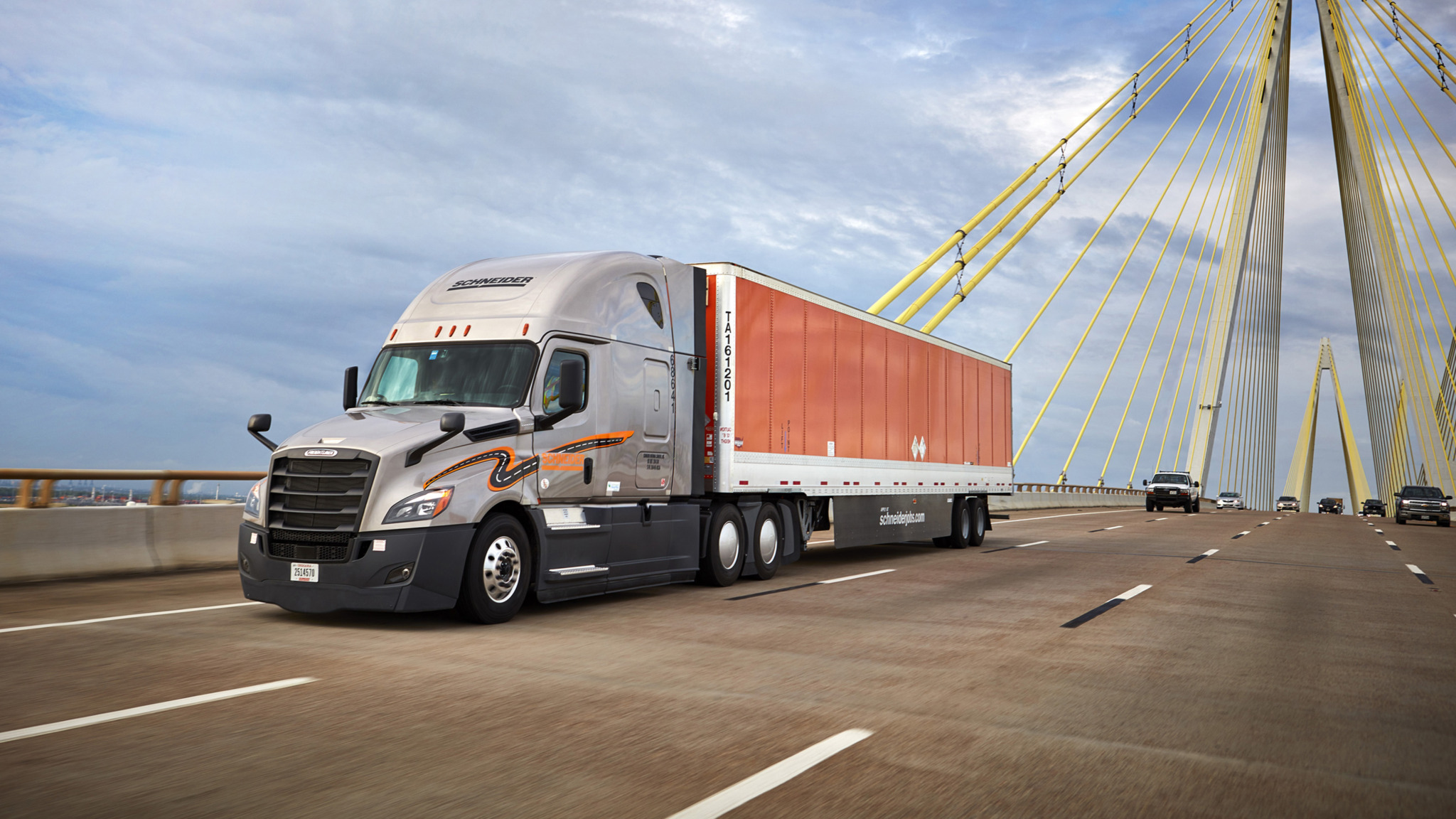
This has taken place “faster than we initially expected and is removing the most irrational capacity from the marketplace,” said Jim Filter, CEO and president of Schneider National.
Multiple executives said the process of carriers exiting the industry is still in the early stages, and there is much room to grow. Looking ahead to further capacity reductions from the Trump administration’s crackdown and projected higher freight demand, the coming cycle is likely to be “more durable” than past cycles, said Adam Miller, CEO and president of Knight-Swift Transportation.
The three truckload carriers each reported positive second-quarter results in late July:
- Schneider’s earnings per share increased, and adjusted income from operations jumped 29% to $73 million. It raised its 2026 earnings per share guidance to between 90 cents and $1.10 from the previous range of between 70 cents and $1.
- Werner’s revenue rose 24% to $934 million, as revenue per truck per week growth was the strongest in a decade. Adjusted operating income was $27.6 million, up 67%.
- Knight-Swift’s revenue increased 12.6% to $2.1 billion from $1.86 billion, as operating income in the truckload segment rose 96% to $89.1 million.
In addition, Landstar System reported that its second-quarter revenue was up 18% year-over-year, and the number of loads hauled by truck outpaced seasonal patterns, the first time this has happened in five years.
“Market conditions, which have favored the shipper since late 2022, have begun shifting rather rapidly in favor of the transportation provider,” said Frank Lonegro, Landstar president and CEO.
These results follow a strong quarterly report from J.B. Hunt Transport Services earlier in July.
On the less-than-truckload side, Old Dominion recorded a 10.4% increase in revenue and a 450 basis point improvement in operating ratio. Earnings per diluted share were $1.68, matching the company record set in the third quarter of 2022.
“I think we’re just in the early stages of the economy getting going again,” said Old Dominion Chief Financial Officer Adam Satterfield.
Similarly, Saia’s second-quarter revenue of $956 million surpassed last year’s second quarter by 17.1% and was a record for any quarter in the company’s history.
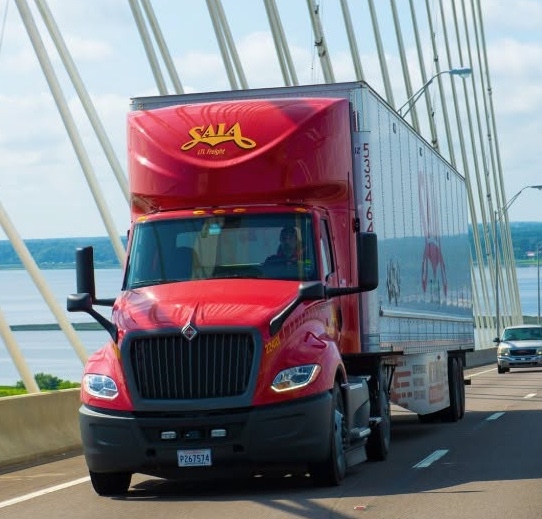
Saia’s revenue of $956 million was a record for any quarter in the company’s history. (Photo: Saia)
Fleets raise concern about availability of qualified drivers
Most fleet executives said a familiar challenge has come with the improving market conditions: recruiting and retaining quality drivers is more difficult.
Knight-Swift’s Miller said the over-the-road, dedicated, LTL, and drayage markets are all being impacted to varying degrees.
Shelley Simpson, president and CEO of J.B. Hunt, said in a couple of locations the driver market is “as tight as we have ever seen.” The fleet has added some targeted sign-on bonuses and driver wage increases in response.
Filter said the longhaul driver population in the United States “sits well below long-term averages and near the lowest levels seen over the last decade.”
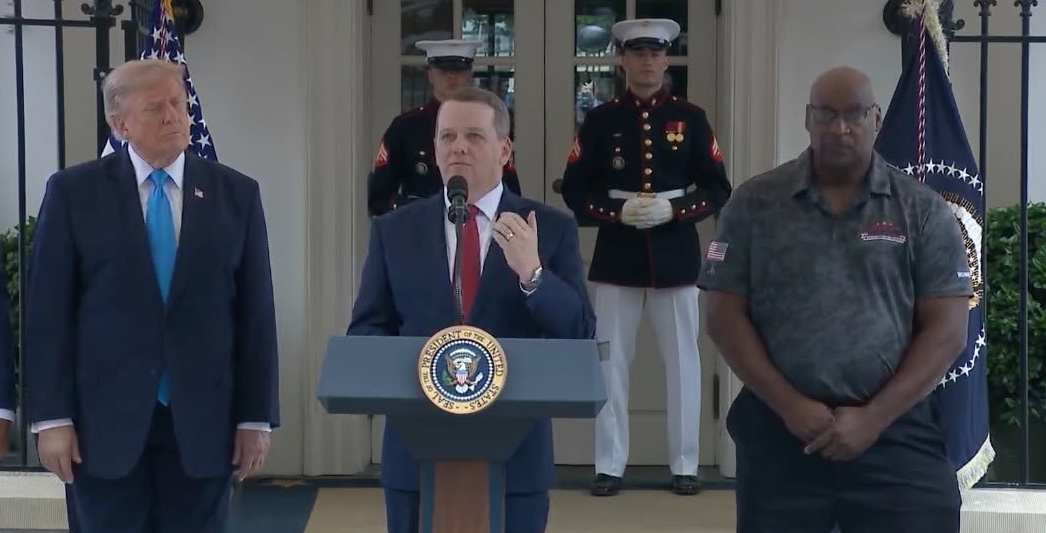
To improve recruiting, Werner Enterprises is using artificial intelligence to more effectively focus on higher-value candidates and better match drivers with regional demand. Werner Enterprises took part in a White House event last week highlighting the new Freedom Haulers initiative, and committed to hiring 1,400 veterans in the next year.
While the LTL market traditionally sees far lower turnover than other sectors, Satterfield mentioned another way Old Dominion brings on more drivers when needed.
Old Dominion takes “employees that are interested in being a driver and trains them to get their CDL. So when demand and volumes are there, we’re able to put them into a truck pretty quickly,” he said.

Have your say
This is a moderated forum. Comments will no longer be published unless they are accompanied by a first and last name and a verifiable email address. (Today's Trucking will not publish or share the email address.) Profane language and content deemed to be libelous, racist, or threatening in nature will not be published under any circumstances.