Fuel tax break offers limited relief as diesel costs squeeze fleets, small businesses
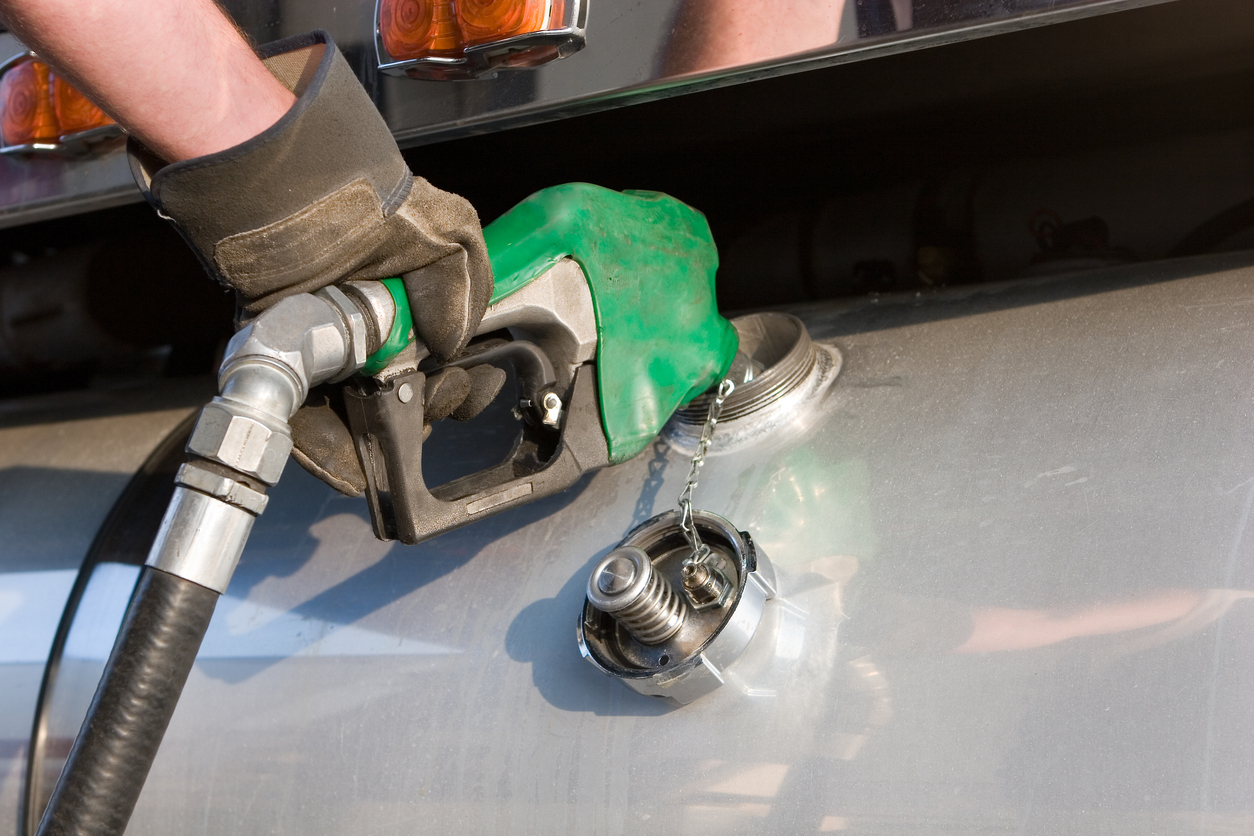
A temporary federal fuel tax break starting today, April 20, is expected to provide some relief to trucking companies and their customers, but rising diesel prices continue to strain operations and force difficult pricing decisions.
Karanjeet Singh, owner of Dartmouth, N.S.-based NovaExpress, said his company’s fuel costs have doubled since the war in Iran began spiking prices. The company, which operates more than 200 vehicles across Eastern Canada and into the U.S., has been forced to abandon flat-rate pricing for some customers and introduce a fluctuating fuel surcharge that changes with the price at the pumps.
Set weekly by the Freight Carriers Association of Canada, that surcharge has now climbed to more than 90% of the base shipping cost.
“Everybody just cannot pass (on the price increases) easily, we get pushback,” Singh said. “We have a couple local small businesses … and they are shocked with this fuel surcharge now. They say it’s double now, almost. And I tell them that diesel is almost double now. Some clients we were doing, let’s say, a $20 flat rate. And now I’m going back, revisiting that and telling them that with the market inconsistency, I don’t want to give an all-inclusive rate to anyone.”
Fuel prices have surged in recent weeks after Iran responded to attacks from the U.S. and Israel by closing the Strait of Hormuz, where a fifth of the world’s fuel normally transits. While prices briefly dropped by more than 10% after Iran signalled the strait was open on April 17, the U.S. continued its blockade on ships heading to and from Iranian ports over the weekend and Iran resumed its own restrictions in the strait, leaving hundreds of vessels waiting on either end.
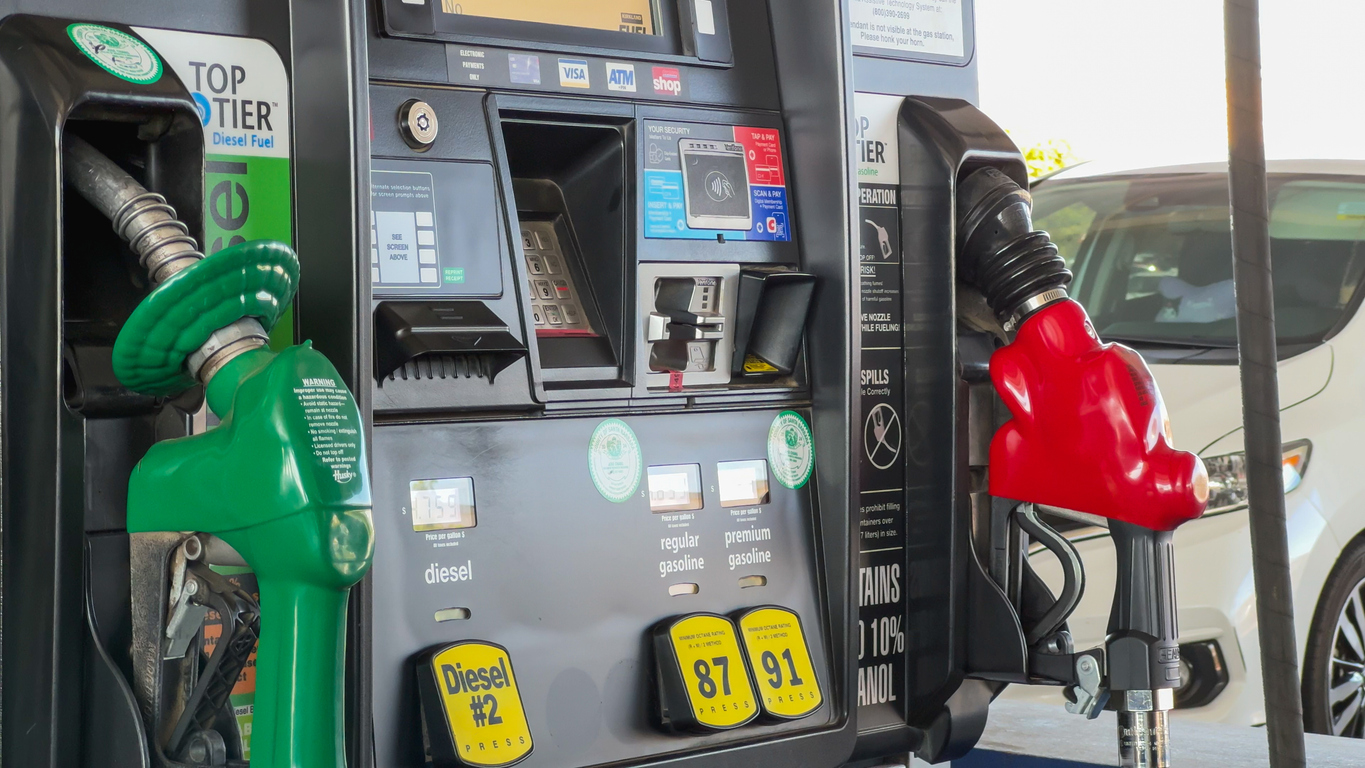
In response, the Canadian government announced it will temporarily suspend the federal excise tax on fuel starting Monday, April 20, reducing gasoline prices by about 10 cents per litre and diesel by four cents. The measure is set to remain in place until Sept. 7.
Singh said the move should offer some immediate relief for customers, though the full impact of higher fuel costs has yet to hit retail shelves, adding that consumers will likely see increased prices soon.
Dan Kelly, president of the Canadian Federation of Independent Business, said many small businesses are already under significant pressure — from the pandemic to rampant inflation, the trade war with the U.S., and now skyrocketing fuel prices, many small businesses haven’t had a normal month of sales in six years.
“About two-thirds of businesses are eating the costs of rising fuel prices,” Kelly said. “About a third of businesses are starting to pass these on through their consumer pricing … As we all know, a business can’t (eat costs) forever. If they did, they would soon be out of business.”
He noted that the impact varies by sector, with transportation and manufacturing among the hardest hit, but even service-based businesses are feeling the effects through rising energy costs.
“If you’re a service business and you’re getting hit by this in a smaller way, with fuel representing say five per cent of your overall cost picture, then you may be able to withstand a bigger shock,” Kelly said.
While he called the federal tax cut a “good start,” Kelly said he’d like to see provinces chipping in as well. Kelly would also like to see a permanent end to the tax-on-tax situation at fuel pumps, where GST or HST is charged on top of fuel prices that already include other taxes. He also said there could be merit in temporarily suspending the industrial carbon tax.
This report by The Canadian Press was first published April 19, 2026
Have your say
This is a moderated forum. Comments will no longer be published unless they are accompanied by a first and last name and a verifiable email address. (Today's Trucking will not publish or share the email address.) Profane language and content deemed to be libelous, racist, or threatening in nature will not be published under any circumstances.

Fuel tax “holidays”, or any taxation abatement, for that matter, only mean that revenue is exchanged for debt. There is never, ever a reduction in spending. This is just a shell game for the gullible among us. As my late father would say, ” Don’t eat that Elmer, it’s been on the road too long”.