High oil prices weigh on everything from the fuel pump to consumer goods
Pain at the pump. Higher postal prices. Everyday items such as soap and toothpaste getting more expensive.
Consumers are paying for the Iran war’s disruption of global energy production as the conflict enters its third month. Steeper gasoline, diesel, and jet fuel prices are making driving and air travel more expensive.
Many companies warn there’s more to come: the cost of fuel and of materials derived from petroleum could drive up prices for food and for household items.
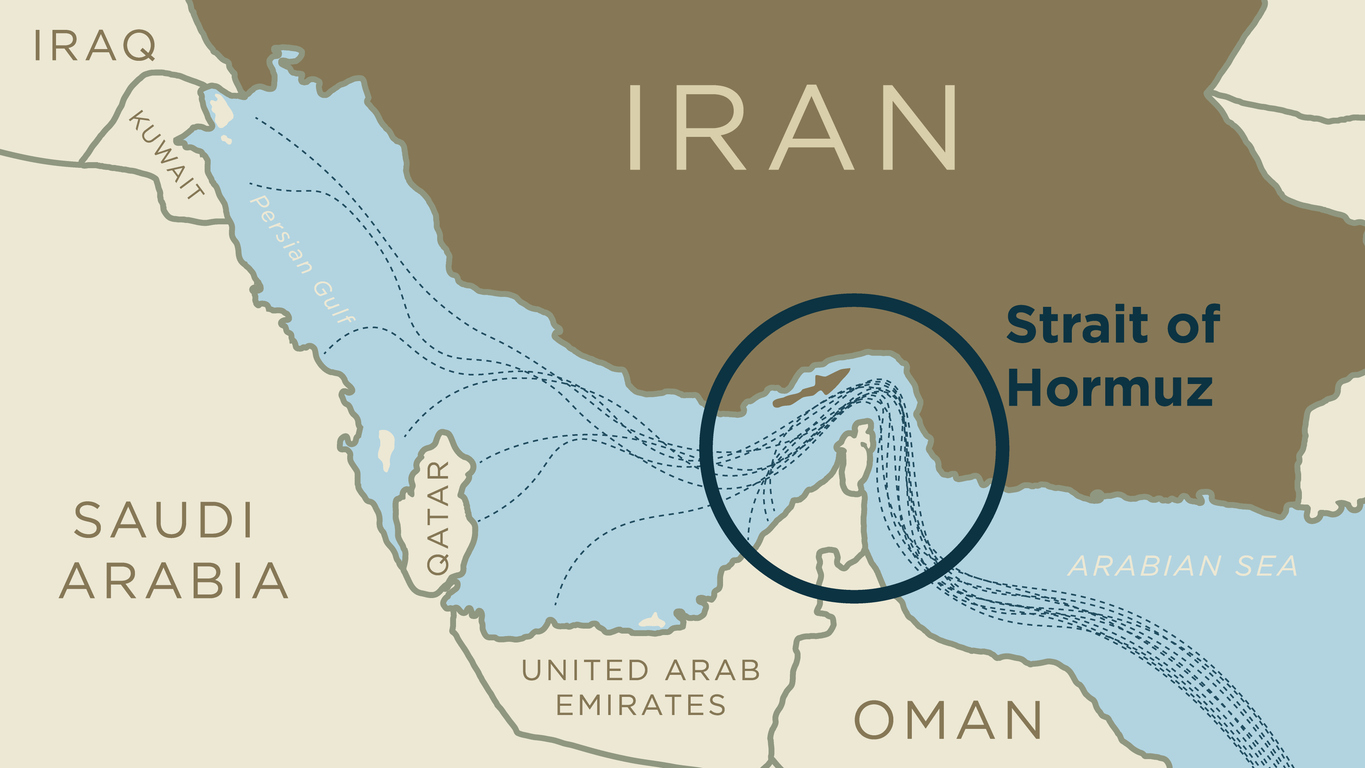
Iran has closed the Straight of Hormuz to oil tankers, keeping them pent up in the Persian Gulf and away from customers worldwide, while a U.S. Navy blockade is preventing Iran from selling its own oil.
Here’s how the growing cost of oil and gas is impacting consumers:
Gas surges to highest level since 2022
As the cost of crude climbs, so do the prices of gasoline and other fuels that keep equipment, cars, buses, delivery trucks, and airplanes running.
Across the U.S., gas prices are at their highest level since 2022. The national average hit $4.30 a gallon on April 30, compared with $2.98 before the war started, according to AAA. That’s a 44% increase since the U.S. and Israel attacked Iran on Feb. 28.
Diesel prices are making shipping cost more
Steep diesel prices are making it more expensive to haul everyday goods. Diesel is now at an average of nearly $5.50 a gallon, up from $3.76 before the war, AAA says.
Shippers have started adding surcharges to cover the cost. The U.S. Postal Service implemented a temporary 8% charge on some of its services, including Priority Mail, to help blunt the impact of rising transportation costs. Amazon aded a 3.5% fuel and logistics surcharge on third-party sellers using its platform to offset fuel prices as well.
Shoppers may see more sticker shock for clothing, cosmetics, furniture and other goods.
“Diesel’s the one that you want to watch out for for prices of consumer goods,” said Peter Zaleski, professor of economics at Villanova University.
Consumer goods makers may raise prices
Procter & Gamble, the maker of such household products as Crest toothpaste, Tide detergent and Charmin toilet paper, estimated the war could cause a $1 billion hit to profits during its next fiscal year if Brent crude were to stay around $100 per barrel. Many of P&G’s products and packaging are made of resin or other petroleum-based material, Andre Schulten, P&G’s chief financial officer, told reporters on April 24. He said the company may have to pass on some of the costs to shoppers.
London-based Unilever, which makes everything from Dove soap to Hellmann’s mayonnaise, plans to raise prices around 2% to 3% in “small doses,” CFO Srinivas Phatak said in an earnings call.
Groceries could be next
Grocery prices have yet to be affected, according to government figures. But they are expected to rise with tightening supplies of fuel and fertilizer.
Fuel accounts for roughly 15% to 30% of the total cost of food, according to the Independent Grocers Alliance, a grouping of 7,500 global supermarkets. Fertilizer is also essential to farmers, and about 30% of the world’s fertilizer shipments typically pass through the Strait of Hormuz.
Ken Foster, a professor of agricultural economics at Purdue University, said there is typically a 3- to 6-month lag between an energy price shock and an increase in retail food prices.

Have your say
This is a moderated forum. Comments will no longer be published unless they are accompanied by a first and last name and a verifiable email address. (Today's Trucking will not publish or share the email address.) Profane language and content deemed to be libelous, racist, or threatening in nature will not be published under any circumstances.